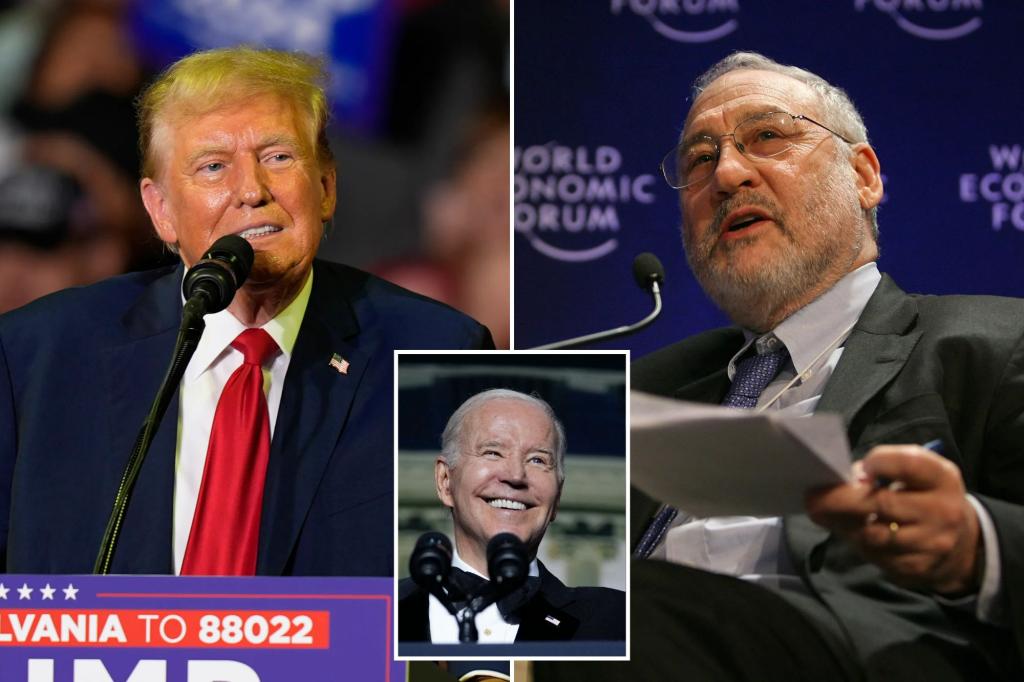
16 Economists Say Trump’s Policies Could Cause Inflation to Rise
16 Nobel Prize-winning economists have come together to voice their concerns about the economic policies implemented by President Trump. These economists have warned that these policies could potentially reignite inflation in the United States. In a joint statement, they highlighted their fears about the potential consequences of the current economic trajectory.
The group of economists includes notable figures such as Joseph Stiglitz, Paul Krugman, and Robert Shiller, who have all been vocal critics of Trump’s economic decisions. They argue that the combination of tax cuts, increased government spending, and trade wars could lead to a surge in inflation, which could have detrimental effects on the economy.
According to the economists, the policies pursued by the Trump administration could create imbalances in the economy, leading to an increase in prices across various sectors. They warn that this could erode the purchasing power of consumers, ultimately leading to a slowdown in economic growth.
Furthermore, the economists express concerns about the impact of these policies on income inequality. They argue that inflation would disproportionately affect low-income households, as they would struggle to keep up with rising prices. This, in turn, could exacerbate existing disparities in wealth and income in the country.
One of the key issues raised by the economists is the lack of consideration for the long-term consequences of Trump’s economic policies. They emphasize the importance of sustainable economic growth, which requires a balance between fiscal responsibility and economic stimulus. They believe that the current approach taken by the administration may lead to a short-term boost in the economy, but at the cost of long-term stability.
In response to these warnings, the Trump administration has defended its economic policies, arguing that they are necessary to stimulate growth and create jobs. They point to the recent tax cuts and deregulation efforts as evidence of their commitment to boosting the economy.
However, the economists remain unconvinced, reiterating their concerns about the potential consequences of these policies. They urge policymakers to consider alternative measures that prioritize long-term sustainability and economic stability.
As the debate continues, it remains to be seen how the Trump administration will address the concerns raised by these Nobel Prize-winning economists. The future trajectory of the US economy may ultimately depend on the decisions made in response to these warnings.