Agent told Senate about Iran’s possible drone attack warning for Trump last year
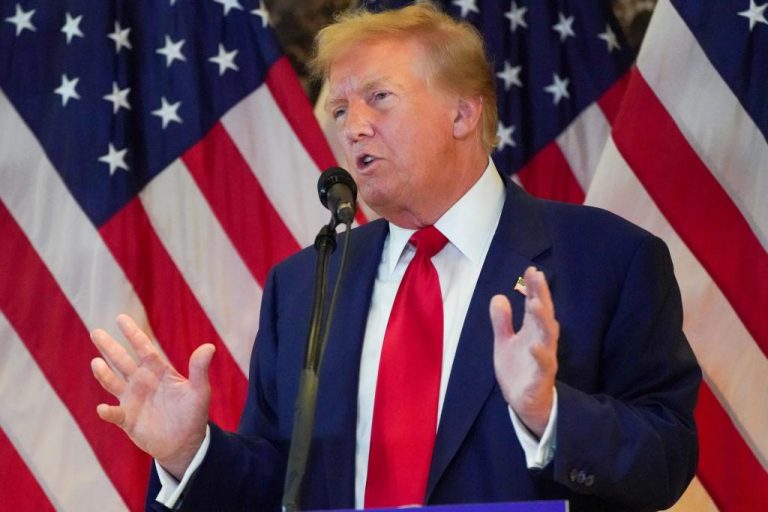
Back in the news, it has been revealed that the Secret Service was made aware of a potential drone attack from Iran targeting former President Donald Trump last year. This alarming information was shared with the Senate by an unidentified agent, shedding light on the ongoing threats faced by the former president even after leaving office.
The details of the warning were disclosed during a recent Senate hearing, where the agent testified about the intelligence received regarding a possible drone attack orchestrated by Iran. The threat was specifically directed towards Donald Trump, raising concerns about his safety and security in the face of such hostile intentions.
As the Senate delves deeper into this matter, questions arise about the level of protection offered to former presidents and the measures in place to safeguard them from potential attacks. The revelation about the Iranian drone threat serves as a stark reminder of the persistent dangers faced by high-profile individuals, even after their time in office has ended.
The news of this alarming revelation has sent shockwaves through the political landscape, prompting discussions about the need for enhanced security protocols and heightened vigilance to combat emerging threats. The safety of public figures, especially former presidents, remains a top priority for national security agencies, highlighting the critical role played by organizations like the Secret Service in ensuring their protection.
Amidst escalating tensions on the global stage, concerns about potential attacks from foreign adversaries loom large, prompting authorities to stay on high alert and proactively address any potential security risks. The intelligence shared with the Senate regarding the Iranian drone threat underscores the complex challenges faced by security agencies in safeguarding prominent individuals from evolving threats.
Furthermore, the revelation highlights the intricate nature of modern security threats, including the use of advanced technology like drones to target high-profile individuals. The evolving tactics employed by adversaries pose a significant challenge to security agencies, requiring innovative strategies and constant adaptation to stay ahead of potential threats.
In light of these recent developments, the need for comprehensive security measures and robust intelligence-gathering capabilities is more critical than ever. The Senate hearing serves as a wake-up call for policymakers and security professionals alike, urging them to remain vigilant and proactive in addressing emerging security challenges.
As the investigation into the Iranian drone threat continues, the focus remains on identifying and mitigating potential risks to national security and the safety of public figures. The role of the Secret Service in countering such threats is paramount, underscoring the importance of collaboration and information sharing among various agencies to effectively protect individuals at risk.
While the details of the potential drone attack on former President Donald Trump are still unfolding, the incident serves as a stark reminder of the ever-present dangers faced by public figures in today’s volatile geopolitical landscape. Addressing these security challenges requires a multi-faceted approach that encompasses proactive intelligence gathering, robust security protocols, and swift response mechanisms to mitigate potential risks.
As the story continues to develop, the spotlight remains on the Secret Service and other security agencies tasked with safeguarding prominent individuals from external threats. The Senate hearing sheds light on the intricate nature of modern security challenges and the importance of staying ahead of evolving threats through coordinated efforts and strategic planning.
In conclusion, the revelation of a possible Iranian drone attack on former President Donald Trump serves as a stark reminder of the complex security landscape facing public figures today. The incident underscores the need for constant vigilance, proactive security measures, and collaborative efforts to ensure the safety and protection of individuals at risk. As the investigation progresses, the focus shifts towards enhancing security protocols and bolstering defenses against emerging threats to national security and the well-being of high-profile individuals.