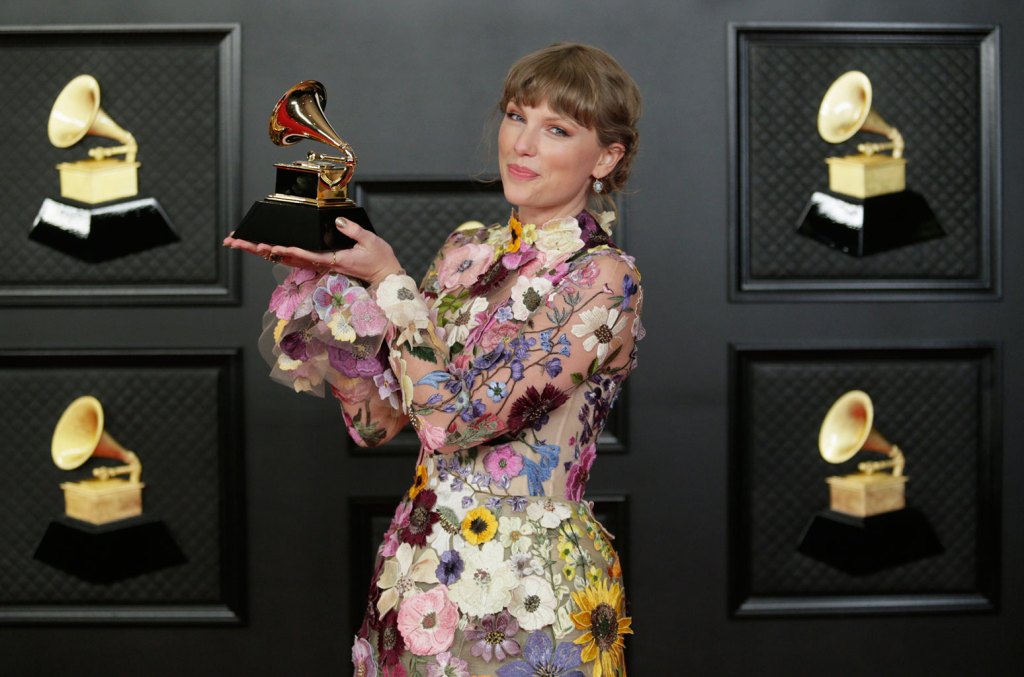
Albums that didn’t win genre awards win Grammy for Album of the Year
Winning the prestigious Grammy Award for Album of the Year is a significant achievement in the music industry. It not only recognizes an artist’s exceptional work but also elevates their status in the eyes of fans and critics alike. However, what happens when an Album of the Year winner doesn’t also win in their respective genre album category? This phenomenon raises questions and sparks discussions about the intricate dynamics of the Grammy Awards.
Since 1995, when the Grammys introduced multiple genre album categories, most Album of the Year winners have also triumphed in their relevant genre album categories. Artists like Taylor Swift, Harry Styles, Billie Eilish, Adele, and Alison Krauss have claimed victories in both Album of the Year and genre-specific categories multiple times. This trend underscores the correlation between overall acclaim and recognition within a specific musical genre.
However, there are instances where artists have secured the Album of the Year award without winning in their genre album category. These cases, though rare, offer a unique perspective on the Grammy voting process and the subjective nature of music appreciation.
One notable example is Arcade Fire’s “The Suburbs,” which claimed the Album of the Year honor without winning the Best Alternative Music Album category. Similarly, Mumford & Sons’ “Babel” emerged victorious in the top category despite losing in the Best Americana Album field. These situations prompt intriguing discussions about the criteria used by Grammy voters to evaluate music across different categories.
In more recent years, Taylor Swift’s “Folklore” and Jon Batiste’s “We Are” faced similar scenarios where they secured Album of the Year accolades without corresponding wins in their genre album categories. Swift’s genre-defying sound and Batiste’s eclectic musical style demonstrate the evolving landscape of music and the challenges of categorizing artists within traditional genre boundaries.
These cases highlight the complexities of music evaluation and the diverse preferences of Grammy voters. While some artists excel in a specific genre, others push the boundaries of musical conventions and defy easy categorization. The Grammy Awards serve as a reflection of these shifting dynamics in the music industry, celebrating both traditional excellence and innovative creativity.
As the music world continues to evolve, the Grammy Awards will undoubtedly witness more instances of Album of the Year winners diverging from their genre album victories. These deviations add depth to the ongoing dialogue about music appreciation, artistic merit, and the ever-changing nature of musical genres.