Analysis of how a billionaire helped JD Vance rise quickly to the Trump VP spot
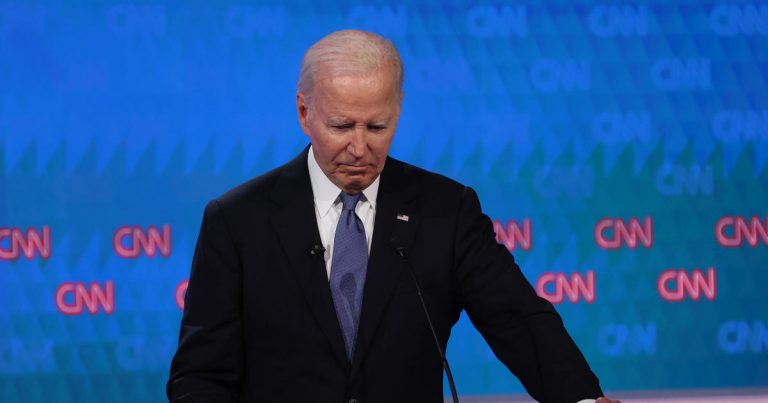
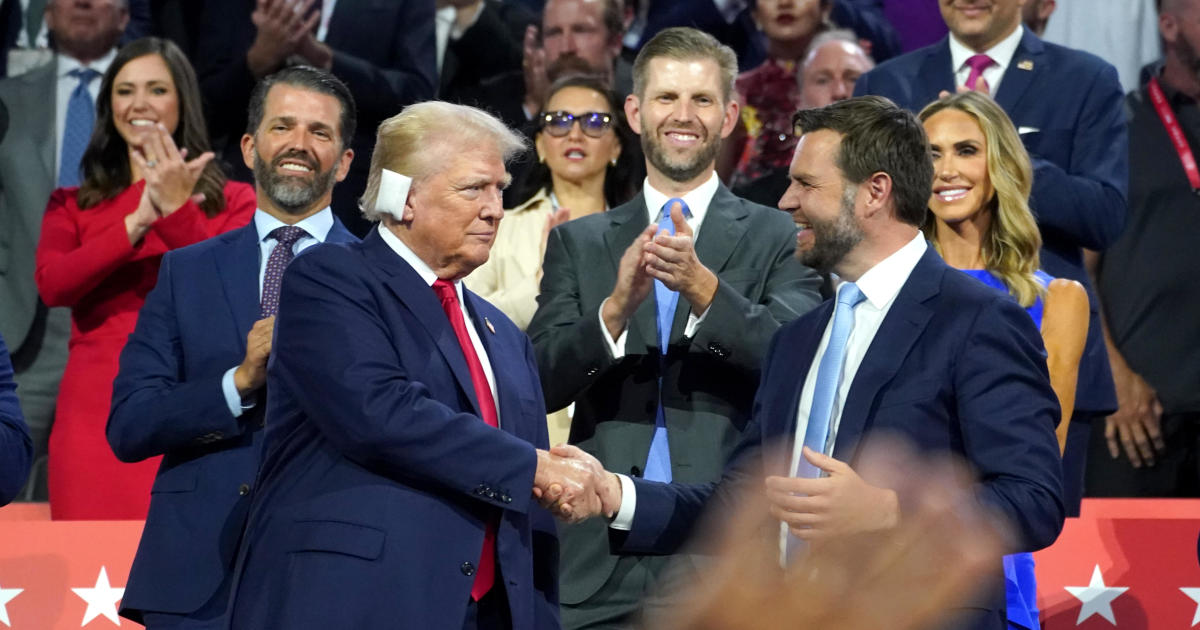
Former President Donald Trump’s selection of Ohio GOP Sen. JD Vance as his running mate highlights the enduring influence of money in presidential politics. Despite the tumultuous nature of the current presidential race, with one candidate surviving an assassination attempt and doubts about the other’s fitness to run, Vance’s ascent is a testament to the power of financial backing in shaping political outcomes.
Vance, a relative newcomer to national politics, has strategically cultivated relationships with billionaires and Silicon Valley powerhouses to propel his journey from a celebrated memoirist detailing the challenges of poverty and addiction in Appalachia to a contender for the vice presidency. His alliance with former President Trump has seen him emerge as a vocal advocate of Trump’s populist agenda, blending intellectual discourse with raw MAGA fervor.
However, Vance’s trajectory to the political spotlight would not have been possible without the substantial financial support he received, particularly from tech sector luminaries. Foremost among his benefactors is Peter Thiel, the unconventional tech innovator and investor who played a pivotal role in Vance’s political ascent. With Thiel’s backing, Vance clinched pivotal victories in his Ohio Senate campaign, eventually securing a seat in the Senate.
Thiel’s influence extended beyond financial contributions, as he facilitated Vance’s connections with other tech titans, notably organizing a multi-million-dollar fundraiser for Trump that included prominent venture capitalists like Chamath Paldihapitiya and David Sacks. Thiel’s mentorship and financial backing symbolize the fusion of technology and politics that underpins Vance’s political career.
The symbiotic relationship between Vance and Thiel predates their foray into politics, with Thiel’s ideological insights resonating with Vance during his formative years at Yale Law. Inspired by Thiel’s discourse on technological stagnation and societal decline, Vance found common ground with the tech luminary, setting the stage for their enduring collaboration.
Following his tenure at Yale Law and a stint as a corporate lawyer, Vance ventured into venture capitalism in San Francisco, under Thiel’s mentorship. Thiel’s strategic guidance and financial support laid the groundwork for Vance’s return to Ohio and subsequent foray into politics, culminating in his transformation from a vocal Trump critic to a staunch ally.
Thiel’s substantial contributions to Vance’s political endeavors have raised questions about potential quid pro quo arrangements, given Thiel’s techno-libertarian worldview and business interests intertwined with government initiatives. Despite Thiel’s opaque motives, his financial entanglements with Vance underscore the intricate nexus between money, ideology, and political power.
While Thiel’s financial backing has undoubtedly bolstered Vance’s political career, recent signals suggest a shift in Thiel’s political philanthropy. Following years of supporting Vance, Trump, and other Republican candidates, Thiel has signaled a reluctance to fund political endeavors in 2024, citing a lack of tangible progress towards his envisioned reforms.
Thiel’s strategic disengagement from political contributions underscores the evolving landscape of money in politics and the complex dynamics shaping electoral outcomes. As Vance navigates the corridors of power with Thiel’s backing, the enduring influence of financial backers like Thiel serves as a compelling narrative in the ever-evolving political arena.