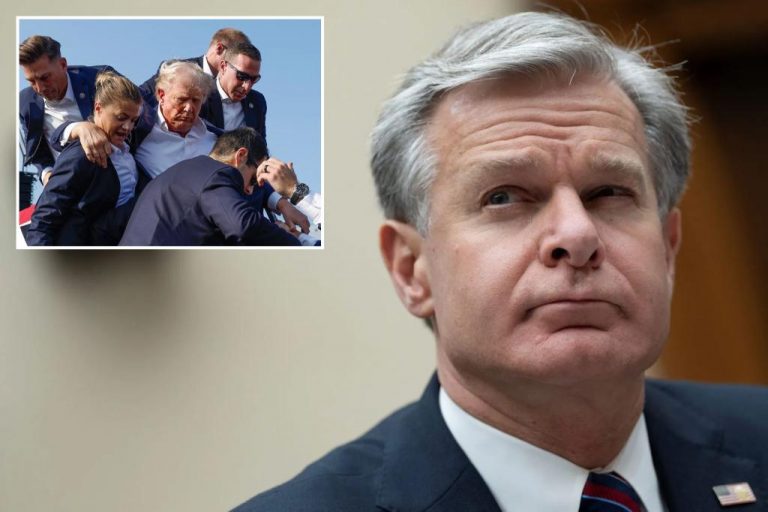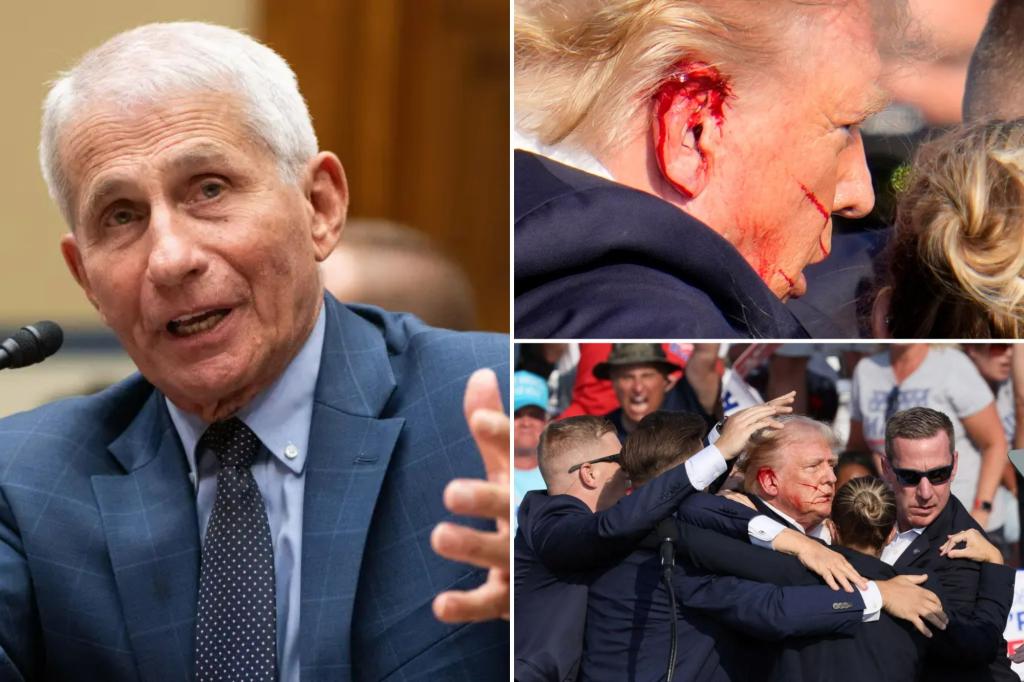
Anthony Fauci rejects the belief that Trump was targeted for assassination.
In a recent interview, Dr. Anthony Fauci made headlines by downplaying the severity of the wounds sustained by former President Donald Trump during an assassination attempt. Fauci, a prominent figure in the fight against COVID-19, shared his views on the incident that shocked the nation.
During the interview, Fauci expressed his belief that Trump’s injuries were not as serious as some reports suggested. He stated that while any act of violence against a public figure is concerning, it is important not to exaggerate the extent of the harm caused.
Fauci went on to emphasize the need for accurate reporting and responsible discourse in the aftermath of such events. He cautioned against the spread of misinformation and urged the public to rely on credible sources for information.
The interview sparked a debate among politicians, media personalities, and the general public. While some agreed with Fauci’s assessment, others criticized him for downplaying the seriousness of the situation. The incident reignited discussions about security protocols for public figures and the importance of maintaining a civil discourse in a polarized political climate.
As news of Fauci’s comments spread, reactions poured in from all corners. Some praised him for his level-headed approach, while others accused him of being out of touch with the realities of political violence. The conversation surrounding the incident highlighted the deep divisions within American society and the challenges of navigating a complex and often volatile media landscape.
In the days following the interview, Fauci found himself at the center of a heated controversy. Critics questioned his motives and accused him of seeking to minimize the gravity of the situation for political gain. Supporters, on the other hand, praised him for his calm demeanor and commitment to truth and accuracy.
Despite the backlash, Fauci stood by his statements and reiterated the importance of staying focused on the facts. He stressed the need for unity and cooperation in addressing the challenges facing the country, including the ongoing battle against COVID-19.
The incident served as a reminder of the delicate balance between freedom of speech and responsible communication. In a world where information travels at the speed of light, the consequences of false or misleading reporting can be far-reaching. Fauci’s comments underscored the need for caution and discernment in discussing sensitive issues and avoiding sensationalism.
As the dust settled on the controversy, Fauci continued his work as a leading voice in public health. His expertise and dedication to science have earned him respect and admiration from millions of Americans. Whether discussing a global pandemic or a high-profile incident, Fauci remains committed to providing accurate information and sound guidance to the public.
In the end, the incident involving Trump’s assassination attempt served as a wake-up call for many. It highlighted the importance of responsible journalism, civil discourse, and a shared commitment to truth and accuracy. As the nation grapples with ongoing challenges, voices like Fauci’s remind us of the power of facts and the need for unity in the face of adversity.