Bernie Sanders refuses to attend speech by ‘war criminal’ Netanyahu after being invited
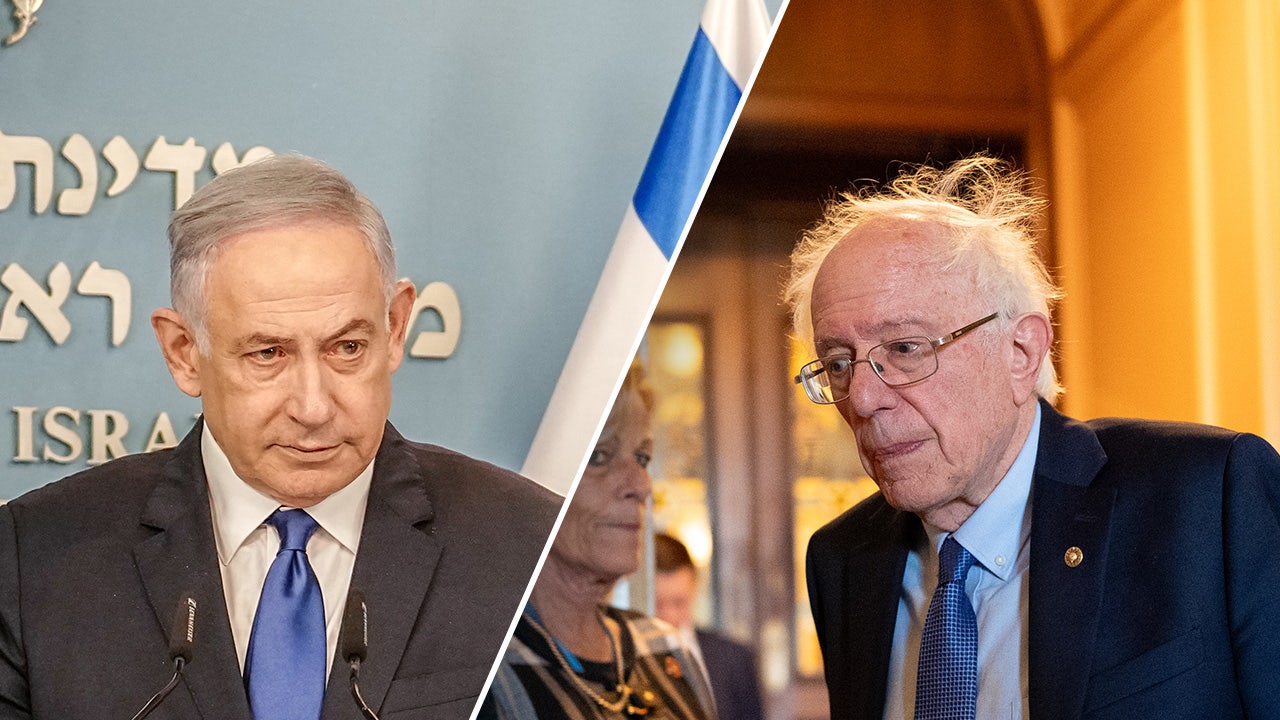
Israeli Prime Minister Benjamin Netanyahu has been invited to address a joint session of the United States Congress, a move that has sparked controversy and criticism from some lawmakers. Sen. Bernie Sanders, I-Vt., made headlines by announcing that he will not attend Netanyahu’s remarks, condemning him as a “war criminal.”
In a statement released on Saturday, Sanders expressed his disappointment that leaders from both parties had extended an invitation to Netanyahu. He called the Prime Minister a war criminal and stated unequivocally that he would not be present for the joint address.
The invitation to Netanyahu was officially extended on Friday in a letter signed by leaders from both the Republican and Democratic parties in the House and Senate. Speaker Mike Johnson, R-La., had made it known for weeks that he intended to invite Netanyahu, and Senate Majority Leader Chuck Schumer, D-N.Y., ultimately added his signature to the invitation.
Sanders’ decision not to attend the joint address was based on his belief that Netanyahu should not be given a platform to address Congress. He pointed to recent requests from the International Criminal Court (ICC) for warrants against Netanyahu and other Israeli and Hamas leaders for war crimes as evidence supporting his stance.
Despite being of Jewish descent, Sanders revealed that he is no longer affiliated with organized religion. His strong stance against Netanyahu aligns with his well-known criticism of Israel’s government.
On the other hand, Netanyahu expressed his excitement at the opportunity to represent Israel before Congress. He stated that he would use the platform to present the truth about Israel’s ongoing conflict with its enemies.
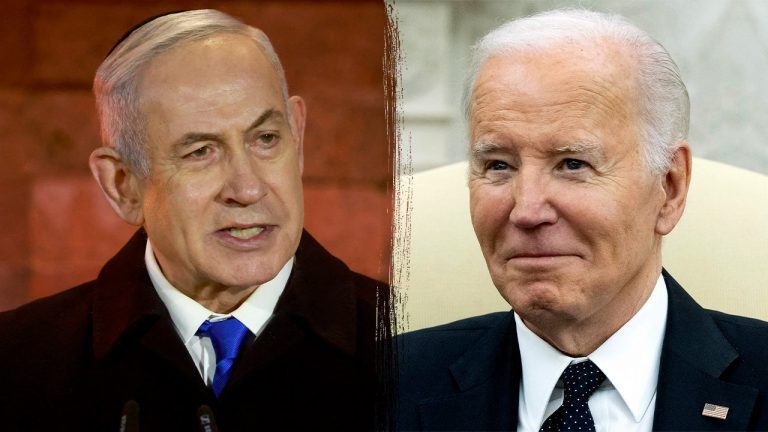
Netanyahu’s upcoming speech will mark his fourth address to both houses of Congress, making him the only head of state to achieve this honor. President Biden recently endorsed an Israeli-proposed ceasefire deal, urging Hamas to accept it and putting pressure on both sides to end the conflict.
The proposed ceasefire deal includes provisions for the release of hostages and a lasting peace agreement. However, there are conflicting reports about whether Israel and the United States are fully aligned on the terms of the agreement.
Netanyahu’s office released a statement affirming Israel’s commitment to eliminating Hamas’ military and governmental capabilities, as well as bringing home all hostages. The Prime Minister emphasized that Israel’s proposed outline for the ceasefire allows them to maintain these principles throughout the process.
The tension between Sanders’ refusal to attend Netanyahu’s address and the ongoing conflict in the Middle East reflects the broader complexities of U.S.-Israeli relations. As the situation continues to evolve, it remains to be seen how different political leaders will navigate these sensitive issues on the global stage.