Biden Administration Taking Time to Change Cannabis Research Laws
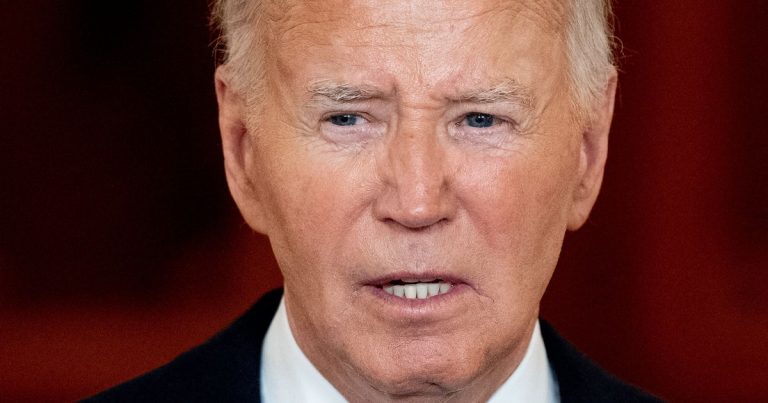
The debate over the classification of marijuana has been at the forefront of discussions for years. With the Biden administration reconsidering its stance on marijuana as a criminal substance, there is hope for change on the horizon. However, while this policy shift is monumental, there are still many hurdles to overcome when it comes to researching the medical impact of cannabis.
Congress took a significant step towards facilitating research on cannabis by passing a law at the end of 2022. This law aimed to make it easier for organizations, such as universities, to access cannabis for research purposes. For years, the illegality of marijuana at the federal level has hindered scientific exploration into its potential medical uses.
The bipartisan bill, sponsored by Rep. Earl Blumenauer (D-Ore.) and Rep. Andy Harris (R-Md.), received overwhelming support in the House and Senate. However, despite the clear benefits of loosening restrictions on cannabis research, the Biden administration has not taken significant steps to streamline the approval process for such studies.
The law also mandated the Department of Health and Human Services to submit a report to Congress outlining the potential therapeutic effects of cannabidiol or marijuana on serious medical conditions. It also aimed to examine the impact of marijuana on the human body and developing adolescent brains, as well as identify research barriers in states where marijuana is legalized.
Despite the deadline for the report passing, HHS has yet to submit it, raising concerns among lawmakers. Both Blumenauer and Harris have expressed frustration over the lack of progress in simplifying procedures for cannabis research.
While the Biden administration is reviewing the classification of marijuana under the Controlled Substances Act, there have been no concrete steps taken to support greater research into the medical benefits of cannabis. Public opinion overwhelmingly supports the legalization of marijuana for both medical and recreational purposes, yet bureaucratic inertia continues to impede progress in this area.
Republicans and Democrats have found common ground in supporting medical marijuana research, recognizing the potential benefits it may offer in treating various diseases. However, gaining approvals from HHS and the DEA for clinical trials remains a significant challenge, limiting the scope of research into cannabis as a medical treatment.
Despite the passage of the Blumenauer-Harris law, little progress has been made in advancing marijuana research. Concerns have been raised about the law’s efficacy, with criticisms directed towards the additional requirement for the U.S. attorney general to approve research applications.
While scientific research on marijuana’s medical benefits is still lacking, observational studies have provided valuable insights into its effects. For example, studies have shown that cannabis can alleviate chemotherapy-induced nausea in cancer patients, and there is no proven link between cannabis use and lung cancer.
The potential rescheduling of marijuana under federal law may not immediately lead to increased research opportunities. However, it could signal a shift towards a more open approach to cannabis research. Organizations like the Multidisciplinary Association for Psychedelic Studies have expressed hope that such a change could pave the way for the removal of barriers hindering clinical research.
As we navigate this pivotal moment in marijuana policy, it is essential to recognize the importance of supporting unbiased and comprehensive research into this controversial plant. The future of medical cannabis treatments depends on scientific exploration and evidence-based decision-making.
Our journalists are committed to covering the developments in marijuana policy and research. Your support enables us to provide in-depth investigations, thoughtful analysis, and timely reporting on this critical issue. By contributing to our newsroom, you play a vital role in upholding a free press and fostering informed public discourse.
We rely on reader funding to sustain our independent journalism. Your donations help us continue delivering high-quality reporting during this historic period. Your loyalty and support make a difference, and we are grateful for every contribution that enables us to fulfill our journalistic mission.