Biden and Harris to Make Important Announcement This Week
Exciting news is on the horizon, with a big announcement expected to shed light on a major policy achievement by the Biden administration that has the potential to impact millions of seniors, reshape the pharmaceutical market, and possibly sway the upcoming November elections. The Department of Health and Human Services is gearing up to reveal the final prices for 10 prescription drugs covered by Medicare, marking a historic moment in the U.S. as the government engages in negotiations with pharmaceutical manufacturers to set prices.
While such negotiations are common in other developed countries, the U.S. is treading new ground with this initiative, made possible by the Inflation Reduction Act passed by Democrats and signed into law by President Joe Biden last year. This annual negotiation process, set to conclude with the publication of new prices by September 1, marks a significant step towards addressing soaring healthcare costs for American citizens.
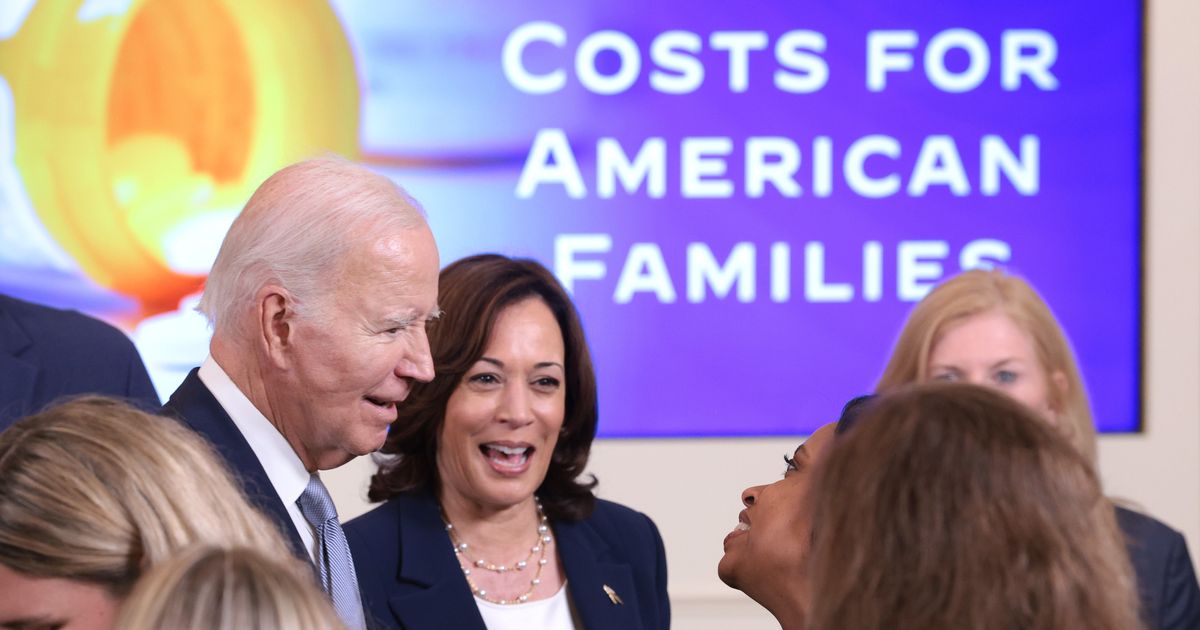
Although the exact timing of the price publication remains undisclosed, the White House has hinted at a special event featuring President Biden and Vice President Kamala Harris in Maryland to discuss progress in lowering costs for the American population. While this event is not a campaign stop, it signals a crucial moment in the administration’s efforts to bring tangible change and make healthcare more accessible and affordable.
For Democrats, especially progressive members, empowering the government to directly influence drug prices has long been a priority. Conversely, the pharmaceutical industry and many Republicans have staunchly opposed such measures. As the negotiation process unfolds, the political implications heading into the elections are significant, depending on how successfully the administration can draw attention to and explain the new pricing system to the public.
Despite the potential impact of these negotiations, public awareness of the process remains low, perhaps due to the limited scope of the negotiations, which currently apply only to Medicare and a select number of drugs. Furthermore, the revised prices are not slated to take effect until 2026, making it crucial for policymakers to effectively communicate the future benefits to seniors and the broader population.
While the specifics of how much individual seniors stand to save from these negotiations may be unclear initially, the overall aim is to reduce the financial burden on Americans, particularly older individuals who struggle with high drug costs. Expanding the negotiating power beyond Medicare and including more drugs in future negotiations could lead to even greater cost savings for consumers.
As the administration works towards extending its negotiating power and enhancing healthcare affordability, the question of trade-offs between lower prices and innovation in the pharmaceutical industry looms large. Critics argue that reducing drug prices could stifle innovation by limiting companies’ revenue and hindering their ability to attract investors, leading to potential setbacks in the development of new treatments.
Amidst the complex policy debate, clear political divisions have emerged, with Republicans and conservative Democrats opposing the government’s increased role in price-setting. The Heritage Foundation, a prominent conservative think tank, has called for the repeal of the Inflation Reduction Act, reflecting broader conservative resistance to government intervention in drug pricing.
Former President Donald Trump has also voiced concerns over high drug prices and advocated for aggressive negotiation with drug manufacturers, although his administration did not pursue legislation similar to the Inflation Reduction Act. Vice President Harris is expected to highlight Trump’s mixed record on drug pricing to underscore the Democratic Party’s commitment to lowering costs for Americans.
As the healthcare landscape continues to evolve, with Medicare drug prices set to undergo significant changes, the Biden administration’s efforts to make prescription medications more affordable are poised to shape the upcoming elections and healthcare policy for years to come. Stay tuned for updates on this groundbreaking development and its implications for seniors, patients, and voters across the country.