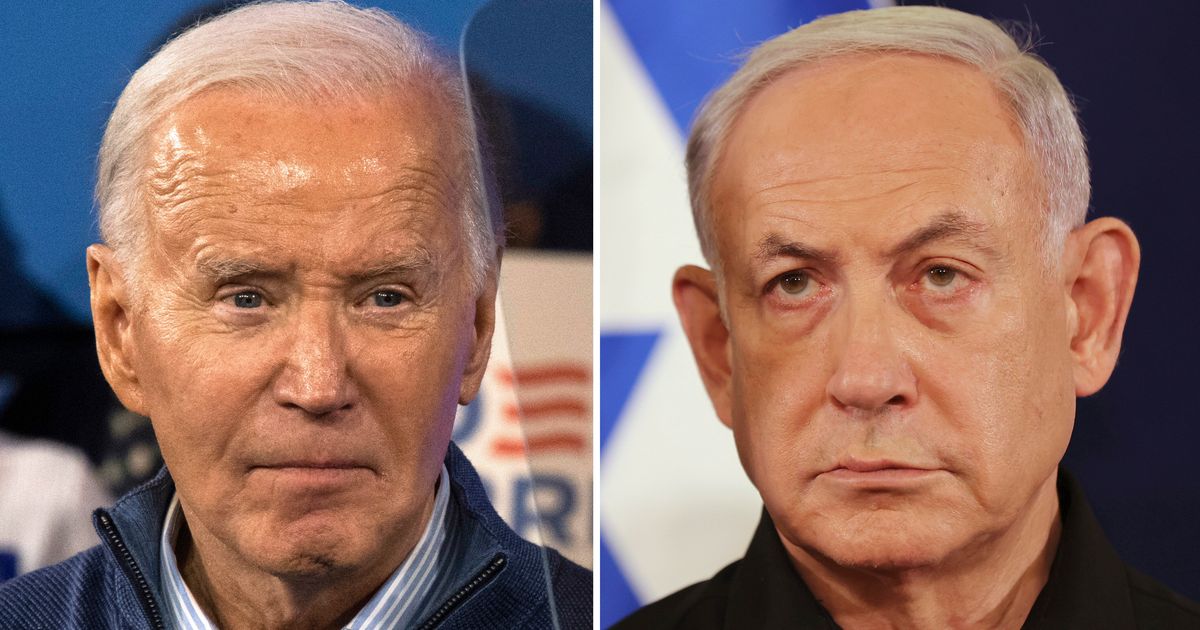
Biden and Netanyahu argue about Gaza plan.
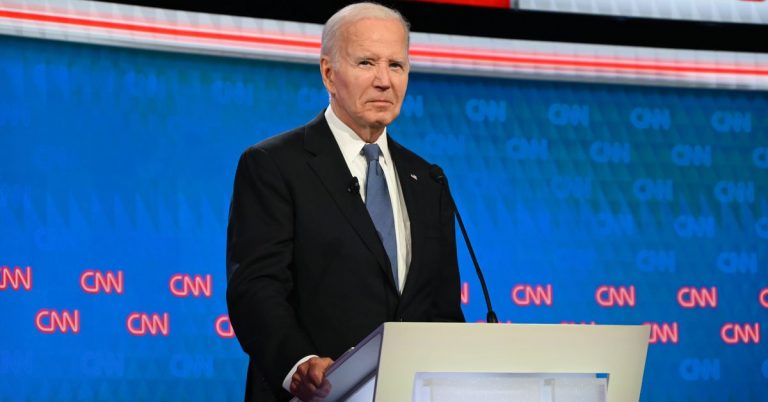
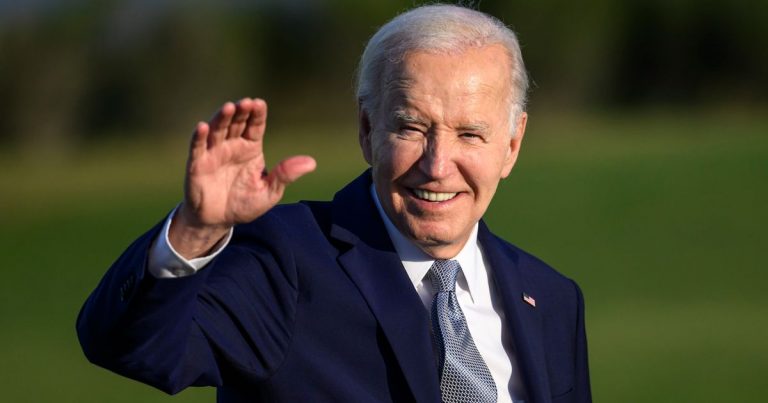
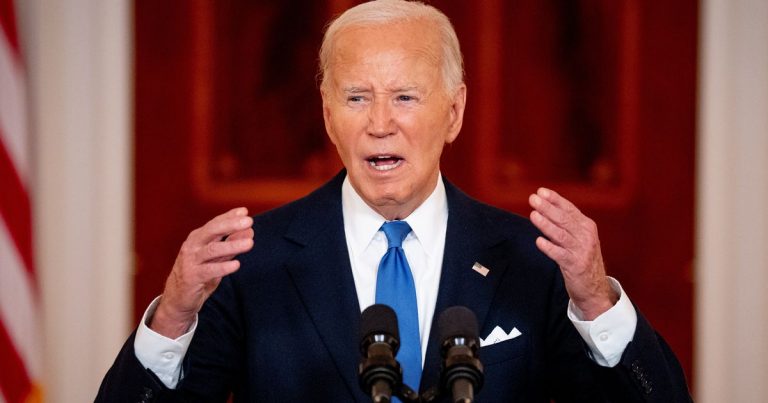
President Joe Biden and Israeli Prime Minister Benjamin Netanyahu may appear to have a strong friendship in public, but behind closed doors, a different story unfolds. According to veteran journalist Bob Woodward’s new book, “War,” Biden has privately clashed with Netanyahu multiple times over his handling of the situation in Gaza.
Woodward’s book, set to be released on October 15, provides fresh insights into the interactions between world leaders during times of international crises. Despite their public unity, both Biden and former President Donald Trump have been revealed to make explicit remarks about certain leaders, including Netanyahu and Russian President Vladimir Putin.
One year after Hamas militants launched an attack on southern Israel, resulting in the death of around 1,200 people and the capture of approximately 240 individuals, tensions remain high. The Israeli military’s response has led to the deaths of about 42,000 people in Gaza, the displacement of almost the entire population, and the collapse of the territory’s healthcare system.
While publicly standing as Israel’s staunchest ally, Biden has reportedly criticized Netanyahu in private conversations. According to Woodward, Biden expressed frustration with Netanyahu’s lack of strategy in Gaza, referring to him with expletives in private conversations.
Despite providing military aid and support to Israel, Biden allegedly tried to dissuade Netanyahu from launching a retaliatory attack following an Iranian missile strike on April 13. Although the Israeli prime minister proceeded with a limited strike on Iran on April 18, Biden considered it a partial victory.
As tensions escalated, Netanyahu discussed plans for a ground invasion in Gaza, prompting Biden to question the prime minister’s strategy. In response to Netanyahu’s insistence on the invasion, Biden expressed doubts about the lack of a clear plan.
Netanyahu’s decision to expand military operations by bombing Beirut in July further strained the relationship, as Biden criticized the move as contributing to Israel’s reputation as a rogue state. With the conflict spreading to different regions, it became increasingly clear that a ceasefire agreement was unlikely.
Despite private disagreements, Biden has continued to publicly support Netanyahu’s actions, leading to criticism from within his own party. As the conflict persists, there is no clear end in sight, and Biden’s legacy may be defined by his unconditional backing of Israel’s military campaigns in the Middle East.