Biden forgives 11 people and reduces jail time for 5 others guilty of non-violent drug offenses
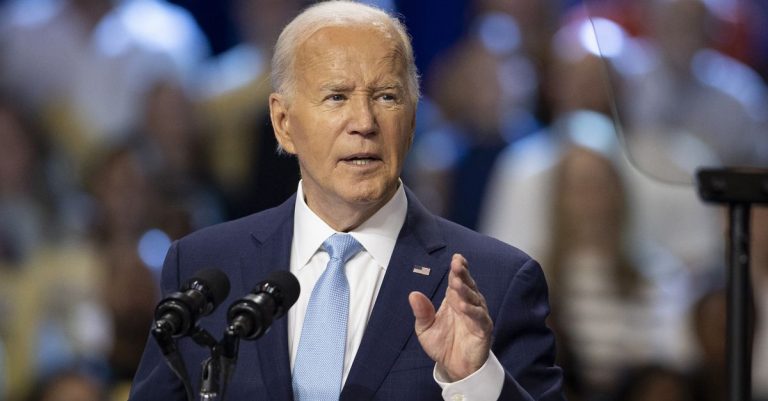
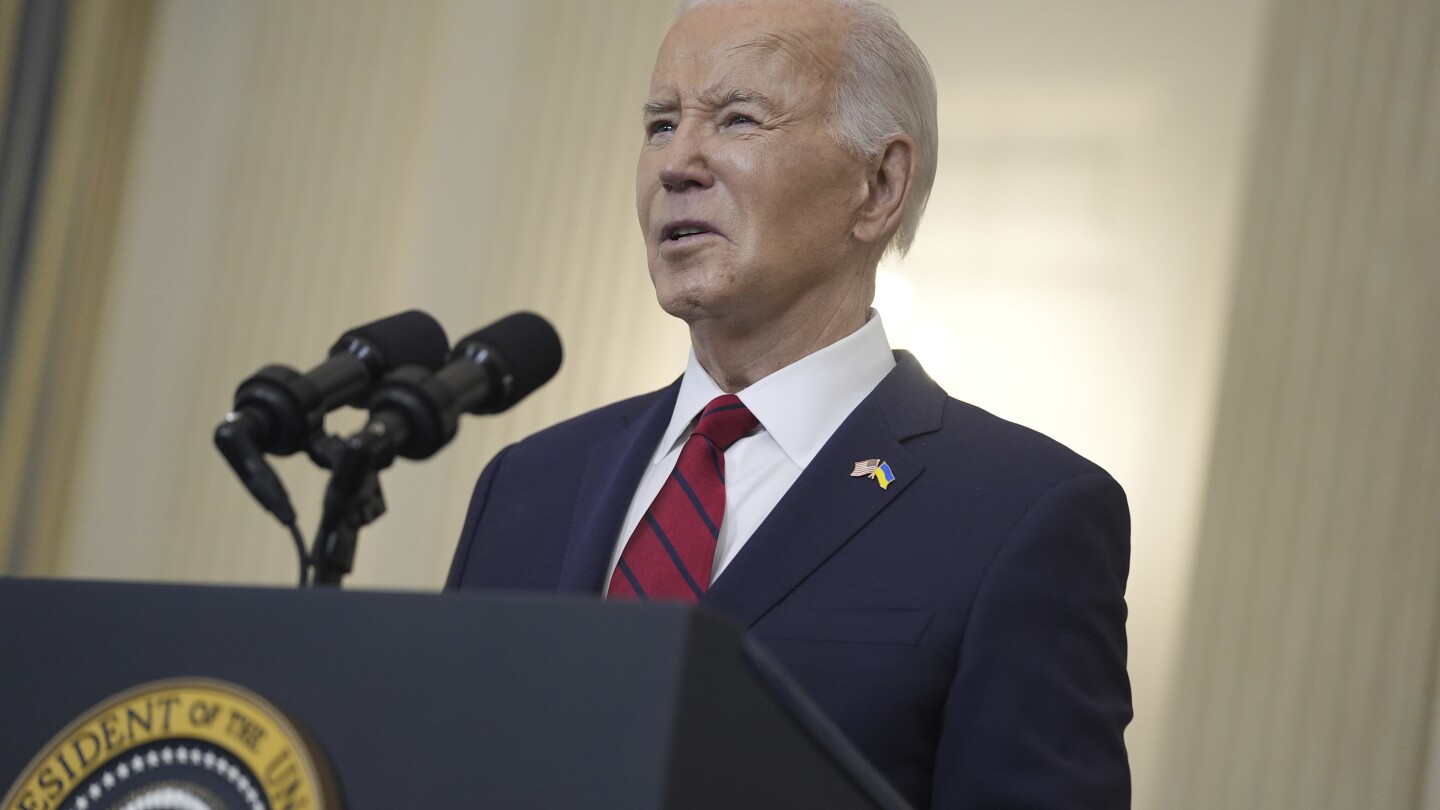
President Joe Biden has taken a significant step in addressing racial disparities in the justice system by granting clemency to 16 individuals convicted of non-violent drug crimes. This act of mercy saw 11 men and women receiving pardons, while the sentences of five others were commuted. Biden emphasized that many of these individuals had been serving “disproportionately longer” sentences compared to what they would face under current laws. This move comes in the spirit of Second Chance Month, a time to give those who have made mistakes another opportunity to rebuild their lives.
As a Democratic president seeking reelection in November, Biden recognizes the importance of gaining support from communities of color that played a significant role in his victory over Republican Donald Trump in the 2020 election. By granting pardons and commutations to these individuals, Biden aims to demonstrate his commitment to addressing racial disparities in the justice system while also focusing on improving public safety.
In his statement, Biden highlighted that those receiving pardons had demonstrated a dedication to turning their lives around and making positive contributions to their communities. Meanwhile, those who had their sentences commuted showed that they deserved forgiveness and a chance to create a future beyond prison walls.
This isn’t the first time President Biden has exercised his clemency power. In December 2023, he pardoned thousands of individuals convicted of using and possessing marijuana on federal lands and in the District of Columbia. This action aligns with his goal of promoting fairness and equity in the justice system.
An analysis of Justice Department data reveals that Biden has granted 129 commutations during his first term, surpassing all his predecessors in this regard. This includes even Richard Nixon, who holds the record for issuing the most pardons at 691. It’s essential to understand that a pardon is a gesture of forgiveness from the president, acknowledging that the individual has taken responsibility for their actions. While it doesn’t erase the conviction, a pardon restores certain rights that may have been lost upon being convicted, such as the right to vote. On the other hand, a commutation reduces a sentence but does not overturn the conviction itself.
President Joe Biden’s recent clemency actions reflect his dedication to rectifying injustices, offering hope to those who have been unfairly treated by the legal system. By providing these individuals with a chance to rebuild their lives and contribute positively to society, Biden sends a powerful message of compassion, fairness, and second chances.