Biden is continuing plan to make asylum restrictions stronger at U.S.-Mexico border
President Biden’s administration is gearing up to solidify the extensive asylum restrictions put in place at the southern border earlier this year with a new regulation on the horizon, according to sources within the government. This regulation aims to make it more unlikely for the stringent rules to be lifted in the near future.
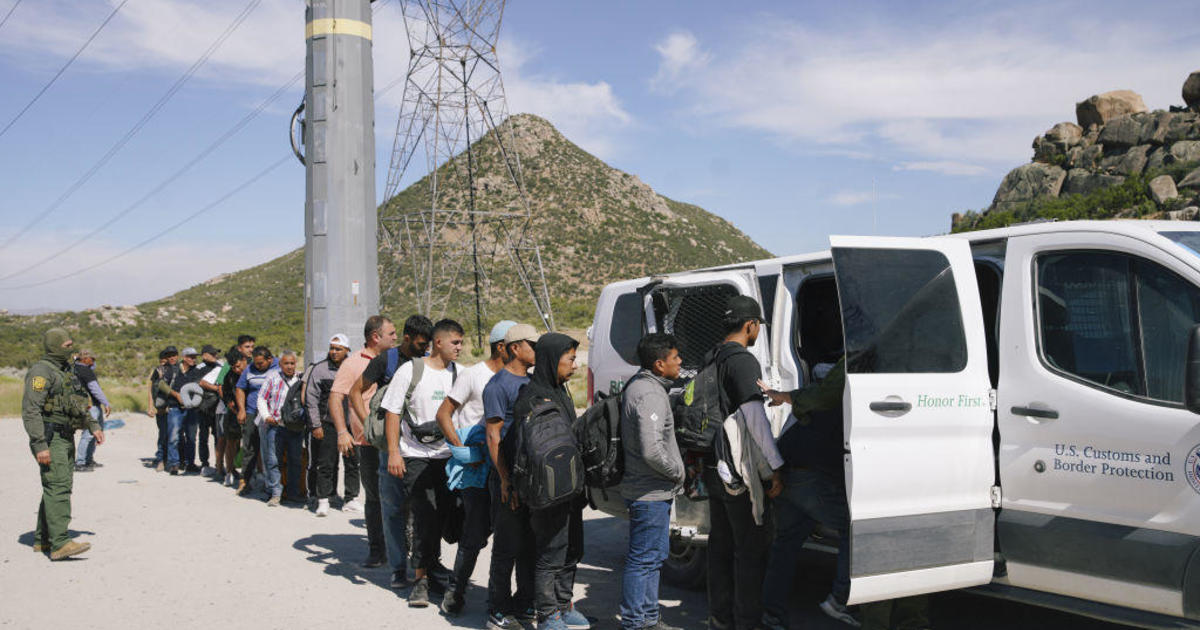
Back in June, President Biden issued a proclamation that suspended the entry of most migrants crossing the US-Mexico border illegally. This directive was implemented by the Department of Homeland Security and Department of Justice through a rule that essentially halted asylum processing between official border entry points. The result of these strict measures was a sharp decline in illegal border crossings, reaching a four-year low.
It is expected that the administration will announce changes to the regulation as early as Monday to introduce an amended proclamation, according to the unnamed US officials who disclosed these government plans.
The proposed changes would make it significantly more challenging for officials to lift the partial asylum ban by adjusting the threshold required for deactivation. The current order specifies that the measure would expire if the seven-day average of daily illegal border crossings falls below 1,500. The last time this average was below 1,500 for a month was in the summer of 2020, during the pandemic-induced decrease in migration.
Under the new changes, the asylum restrictions would only be deactivated if the seven-day average stays below 1,500 for a continuous 28-day period. Furthermore, the updated calculation would include all unaccompanied children, whereas the current rule excludes certain non-Mexican unaccompanied children.
These planned updates are likely to ensure that President Biden’s efforts to severely restrict asylum will remain in effect for the foreseeable future, including through the upcoming election period and beyond. Earlier this month, CBS News first reported on the administration considering these changes.
In response to questions from CBS News, DHS spokesperson Naree Ketudat mentioned that the department cannot provide details on a rule that is not yet finalized or issued. White House spokesperson Angelo Fernández Hernández did not confirm the forthcoming changes but emphasized the success of President Biden’s decisive actions back in June.
Fernández Hernández stated, “July and August saw the lowest encounter levels since September 2020. The Biden-Harris Administration has taken effective action, while Republican officials continue showing that they are more interested in cynically playing politics than securing the border.”
While there had been a decline in illegal border crossings earlier in 2024, primarily due to increased efforts by the Mexican government to intercept migrants bound for the US, there was a significant drop following President Biden’s proclamation in early June. Migrant arrivals have since stabilized in the months of August and September.
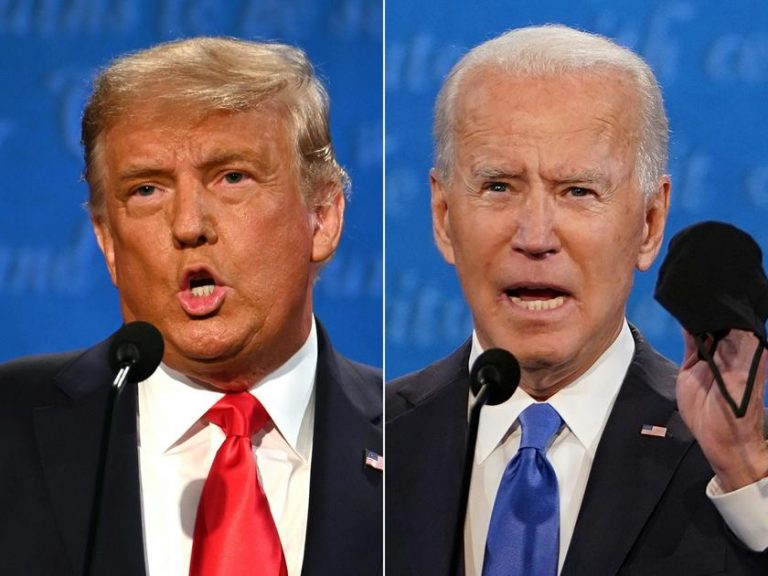
Immigration has emerged as a significant political challenge for the Biden administration and Democrats. In recent years, encounters with migrants at the southern border reached record levels, leading to chaotic scenes, straining resources in major cities, and reshaping immigration politics. Recent polls indicate growing support among Americans for stricter immigration policies, reminiscent of the mass deportations promised by former President Donald Trump.
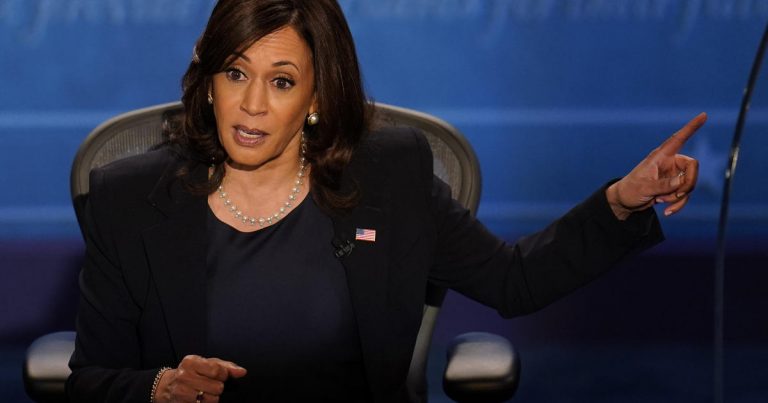
As a response to the escalating situation, Democrats, including Vice President Kamala Harris, have embraced tougher immigration measures to shift the narrative. However, a bipartisan border security deal proposed in Congress collapsed after former President Trump urged Republicans to oppose it. The bill aimed to impose lasting restrictions on asylum and bolster the presence of border agents, asylum adjudicators, and immigration judges.
Following her nomination as the Democratic presidential candidate, Kamala Harris is scheduled to visit Douglas, Arizona, on Friday for her inaugural trip to the southern border.
The asylum restrictions implemented in June represented a significant shift in both policy and politics for the Biden administration, which initially promised to expand access to the US asylum system upon taking office in 2021.
This measure, invoking the same legal authority as several immigration restrictions under the Trump administration, renders most migrants crossing the southern border illegally ineligible for asylum. It also eliminated the longstanding requirement for border agents to inquire about migrants’ fear of harm before deportation.
Biden administration officials argue that their approach to border issues differs from Trump’s policies by supplementing asylum restrictions with new programs that offer legal pathways for migrants to enter the US. One such initiative allows Americans to sponsor individuals from four Latin American and Caribbean countries.
However, the administration’s actions have faced scrutiny from both sides of the political spectrum. Organizations like the American Civil Liberties Union have challenged the asylum crackdown in court, asserting that it infringes upon the rights of asylum-seekers in desperate situations. On the other hand, Republican lawmakers criticize President Biden for not using his presidential powers sooner to address the surge in border crossings.
Notable immigration expert Theresa Cardinal Brown, who previously served as a US immigration official under Presidents Barack Obama and George W. Bush, acknowledges that the Democrats’ adoption of stricter asylum rules reflects an acknowledgment that changes are needed to make the asylum system more efficient and manageable.
As the political landscape continues to evolve around border issues, it remains to be seen how these anticipated changes to asylum restrictions will play out in the coming weeks and months. Stay tuned for more updates as the Biden administration navigates the complex terrain of immigration policies and enforcement.