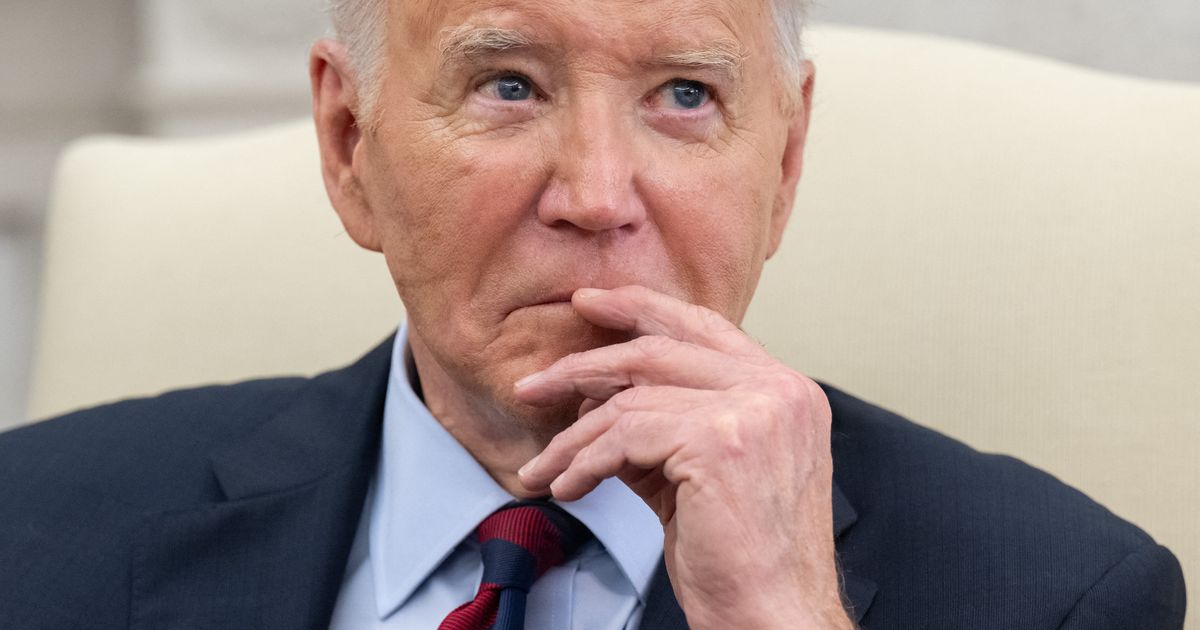
Biden plans to show his importance at NATO meeting.
**NATO Leaders Gather in Washington to Support Ukraine and Display Strong Leadership**
NATO leaders are set to meet in Washington starting Tuesday to discuss bolstering transatlantic support for Ukraine in its ongoing conflict with Russia. However, for President Joe Biden, the summit has also become a critical opportunity to showcase his ability to lead effectively and meet the demands of the presidency for another term.
Heads of state from Europe and North America are facing the specter of a potential return to power by NATO skeptic Donald Trump, as Biden works to regain momentum for his reelection bid, which suffered a setback after a challenging debate performance in June. The President views the summit, marking NATO’s 75th anniversary, as a key platform to demonstrate his leadership skills and justify another term in the White House.
In a recent MSNBC interview, Biden emphasized the importance of U.S. leadership in rallying NATO members to respond resolutely to Russia’s aggression in Ukraine. He highlighted his role in expanding and solidifying NATO, as well as building coalitions to address global challenges posed by China, Russia, and other critical issues.
Despite facing calls from some Democratic House members to step down from his campaign, internal conversations with lawmakers urging him to consider withdrawing, and concerns from prominent donors about his campaign’s viability, Biden remains determined to present a strong front during the summit to reassure wavering supporters.
As the President navigates a series of formal meetings, discussions, diplomatic engagements, and press conferences, he aims to dispel doubts about his capacity to address complex international issues. While Biden has shown a deep understanding of overarching challenges such as Russia’s aggression in Ukraine and the threat from China, there are concerns about his grasp on specific actions required to address these conflicts.
Amidst these concerns, German Chancellor Olaf Scholz has expressed confidence in Biden’s health and preparation for the summit, underscoring the importance of U.S. engagement in international affairs. The summit will also provide Biden with an opportunity to meet with British Prime Minister Keir Starmer to discuss key issues and strengthen transatlantic partnerships.
With the participation of leaders from 32 NATO countries, as well as partner nations from the Pacific region and Ukraine, Biden’s engagement in the summit serves as a pivotal moment ahead of the upcoming U.S. election and the Republican National Convention.
One of the central themes of the summit is Biden’s commitment to NATO, in contrast to Trump’s criticisms of member nations failing to meet defense spending targets. Biden’s team has highlighted NATO’s progress in defense spending since he took office, with a majority of member nations now meeting the alliance’s targets.
Furthermore, Biden’s administration takes credit for expanding NATO membership to include Finland and Sweden, following Russia’s invasion of Ukraine in 2022. This expansion reflects ongoing U.S. leadership and commitment to strengthening alliances in the face of global challenges.
During the summit, NATO is expected to outline Ukraine’s pathway to membership in the alliance, while also discussing plans to enhance Ukraine’s military capabilities and air defenses to deter further Russian aggression. Efforts to establish a coordination center in Germany to support Ukraine’s military readiness are also on the agenda.
As Biden seeks to rebound from a disappointing debate performance, analysts emphasize the importance of his strong leadership and commitment to NATO during the summit. Ian Brzezinski of the Atlantic Council highlights the summit as a crucial opportunity for Biden to showcase his resolve and underscore the administration’s commitment to the alliance.
Overall, the NATO summit in Washington presents a significant moment for President Biden to demonstrate his leadership on the world stage, address concerns about his reelection campaign, and reaffirm U.S. commitments to European security and transatlantic partnerships.