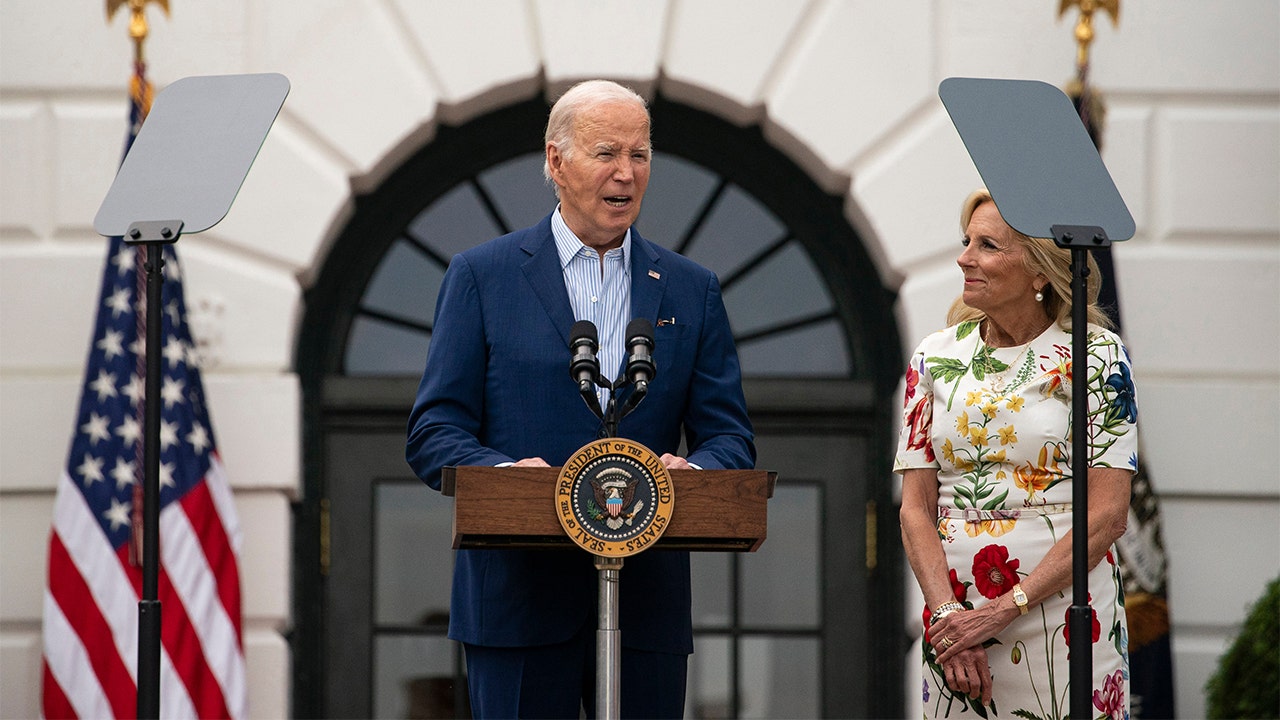
Biden plans to support changes to Supreme Court
President Biden is reportedly planning to endorse major changes to the U.S. Supreme Court, including proposals for legislation to establish term limits for the justices and an enforceable ethics code, as growing outrage continues following a series of controversial decisions. The Washington Post first reported the changes, citing two people briefed on the plans.
Biden has long resisted changes to the high court, but his supporters have continued to call for reform following ethics scandals surrounding Justice Clarence Thomas and decisions by the court majority on issues including abortion and federal regulatory powers.
“I’m going to need your help on the Supreme Court, because I’m about to come out — I don’t want to prematurely announce it — but I’m about to come out with a major initiative on limiting the court … I’ve been working with constitutional scholars for the last three months, and I need some help,” Biden said, according to a transcript of a call obtained by The Washington Post.
Many of the changes would need congressional approval. The Post also reported that Biden was weighing whether to call for a constitutional amendment to eliminate broad immunity for presidents and other constitutional officeholders.
Days after Biden debated former President Trump last month, the high court ruled that Trump was immune from prosecution for official acts during his first term in office.
“This decision today has continued the court’s attack in recent years on a wide range of long-established legal principles in our nation, from gutting voting rights and civil rights to taking away a woman’s right to choose, to today’s decision that undermines the rule of law of this nation,” Biden said in public remarks later that day.
The proposed changes to the Supreme Court come at a critical time when the credibility and integrity of the high court have been called into question by various controversial decisions and ethical issues. The push for term limits for justices and an enforceable ethics code aims to ensure accountability and promote fairness in the highest judicial body in the country.
One of the key issues that have fueled the calls for reform is the recent immunity case involving former President Trump. By ruling that Trump is immune from prosecution for official acts during his presidency, the Supreme Court has sparked outrage and criticism, leading to renewed demands for structural changes within the institution.
President Biden’s support for these proposed changes signals a shift in his stance on Supreme Court reform. Despite his previous reluctance to alter the composition or functioning of the court, Biden’s acknowledgment of the need for reform reflects the growing concerns among the public and legal experts regarding the current state of the judiciary.
The consideration of introducing term limits for Supreme Court justices represents a significant departure from the traditional lifetime appointments that have been in place since the inception of the court. Advocates for term limits argue that this measure would prevent the concentration of power among long-serving justices and ensure a more frequent turnover in the court’s composition.
In addition to term limits, the proposed enforcement of an ethics code for Supreme Court justices aims to address the recent ethical controversies that have plagued the institution. By establishing clear guidelines for ethical conduct and mechanisms for enforcement, the ethics code would enhance transparency and accountability within the court, thereby bolstering public trust in its decisions.
The potential call for a constitutional amendment to eliminate broad immunity for presidents and other constitutional officeholders reflects a broader effort to hold elected officials accountable for their actions. By removing blanket immunity protections, the amendment would subject presidents and other officeholders to legal scrutiny and ensure that they are held responsible for any potential wrongdoing while in office.
As President Biden prepares to unveil his support for these major changes to the Supreme Court, the debate over the future of the judiciary and the need for institutional reform is likely to intensify. The proposed reforms have the potential to reshape the dynamics of the high court and redefine its role in American society, setting the stage for a critical reevaluation of the principles and practices that govern the nation’s highest legal authority.
Ultimately, the proposed changes to the U.S. Supreme Court represent a significant step towards fostering a more equitable, accountable, and transparent judicial system. By addressing the pressing issues of ethics, term limits, and presidential immunity, these reforms aim to uphold the foundational principles of justice, fairness, and the rule of law upon which the American legal system is built.