Biden to announce end of 2024 reelection campaign on Wednesday
As President Biden’s unexpected exit from the 2024 presidential race reverberates across the political landscape, many are drawing comparisons to the tumultuous events of 1968. The parallels between these two pivotal moments in American political history are striking, offering valuable insights into the challenges and dynamics of presidential campaigns then and now.
In 1968, the United States was in the midst of a deeply divisive period marked by civil unrest, anti-war protests, and social upheaval. The Vietnam War was raging, and the country was grappling with issues of racial injustice and inequality. Against this backdrop of turmoil and uncertainty, the presidential campaign unfolded with a sense of urgency and gravity.
Similarly, the present day finds America facing a host of pressing challenges, from the ongoing COVID-19 pandemic to deep political polarization and economic uncertainty. President Biden’s decision to step aside and pass the baton to Vice President Kamala Harris reflects a recognition of the need for new leadership and a fresh approach to governing in these turbulent times.
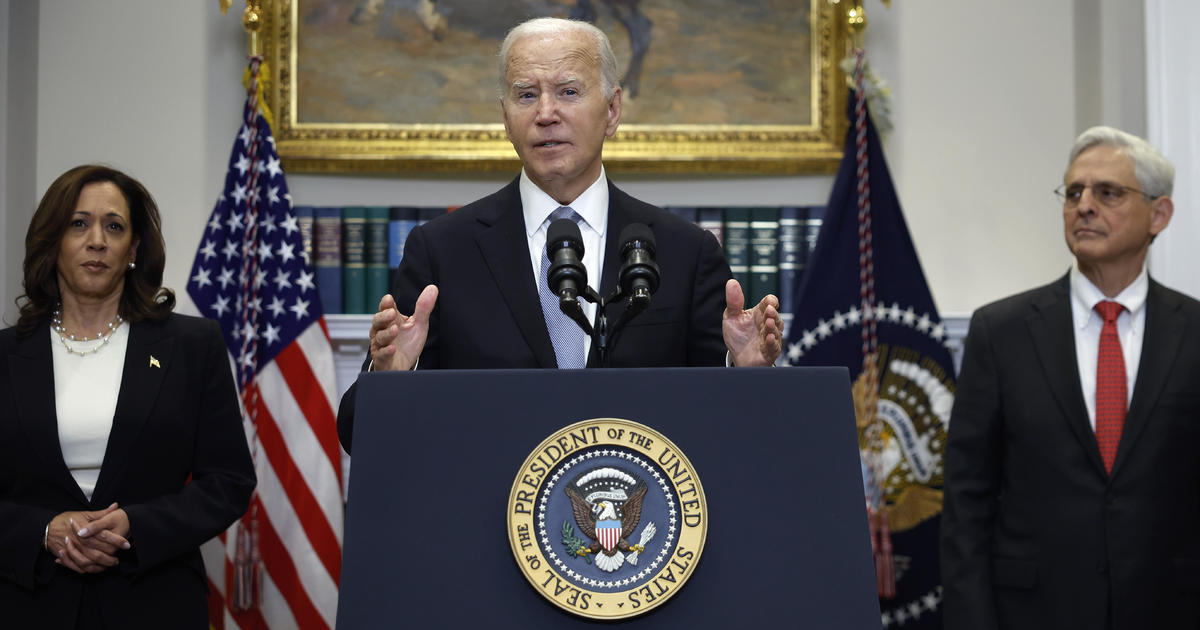
President Biden’s announcement that he would address the nation from the Oval Office to share his plans for the future underscores the gravity of the moment and the importance of his decision to withdraw from the presidential race. His commitment to putting the needs of the American people first is a powerful reminder of the values that should guide our leaders in times of crisis and change.
Looking back at the events of 1968, we see a nation grappling with profound questions of identity and purpose, struggling to find its way forward in a world marked by uncertainty and conflict. The presidential campaign of that year was marked by intense passion and conviction, as candidates from across the political spectrum sought to articulate their visions for the country’s future.
Fast forward to today, and we find ourselves once again at a crossroads, grappling with issues that cut to the core of who we are as a nation and what we stand for. President Biden’s departure from the race and Vice President Harris’ subsequent endorsement represent a turning point in our political history, signaling a new chapter in our collective journey toward a more perfect union.
As we reflect on the events of 1968 and their relevance to our present moment, we are reminded of the enduring power of democracy and the importance of active and engaged citizenship. The challenges we face today may be daunting, but they are not insurmountable. By coming together as a nation and working towards common goals, we can build a brighter future for ourselves and for generations to come.
President Biden’s decision to step aside and allow for a new leader to emerge speaks to his commitment to putting the needs of the country first. In doing so, he has demonstrated a humility and selflessness that are all too rare in today’s political landscape. His legacy will be defined not by the office he held, but by the values he stood for and the example he set for future generations of leaders.
As we navigate the challenges of our time and seek to build a more just and equitable society, let us draw inspiration from the events of 1968 and the lessons they offer us. By learning from the past and working together towards a shared vision of the future, we can overcome any obstacle and realize the promise of our democracy.