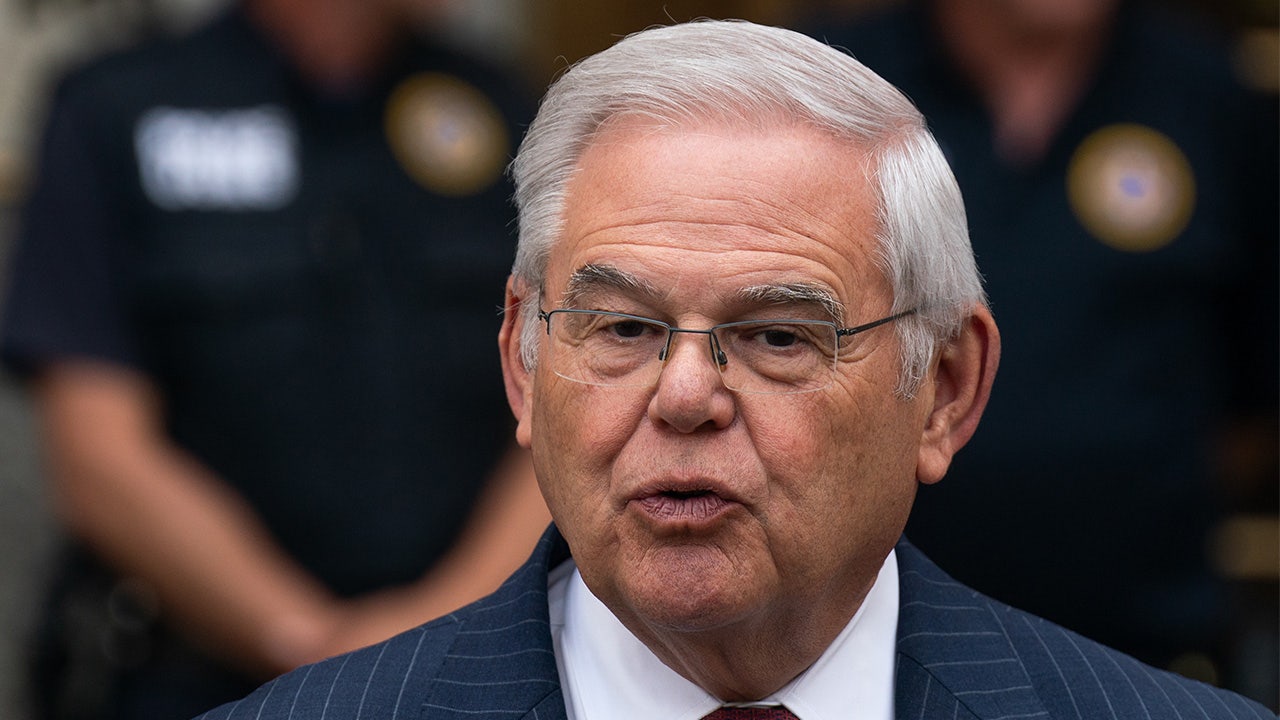
Bob Menendez is resigning from the Senate because Democrats are pressuring him to do so following a guilty verdict.
Senator Bob Menendez, a Democrat representing New Jersey, has decided to resign from the Senate following pressure from his own party after being found guilty in his federal corruption case. The resignation letter was submitted on Tuesday by Senator Peter Welch of Vermont, who was serving as the acting chair of the Senate at the time.
In his letter, Menendez expressed his intention to appeal the jury’s verdict, even up to the Supreme Court, but he did not want the Senate to be engaged in a prolonged process that would distract from its crucial work. The New Jersey Democrat was convicted on all 16 charges, including extortion, bribery, conspiracy, obstruction of justice, wire fraud, and acting as a foreign agent, after a nine-week trial and three days of jury deliberation.
Immediately after the guilty verdict, Senate Majority Leader Chuck Schumer, along with several other Democrats, called for Menendez’s resignation. Despite being re-elected twice and serving in the Senate since 2006, Menendez faced similar accusations in 2015. After a mistrial in 2017 due to a hung jury, prosecutors decided not to pursue a retrial in 2018.
If Menendez had not heeded the calls to resign, the Senate could have proceeded with expulsion, a rare and challenging process requiring a two-thirds majority vote. The last senator to be expelled from the chamber dates back to the 1800s, underscoring the gravity of such a move. Former Senator Bob Packwood of Oregon avoided expulsion by resigning in 1995.
Despite the threat of expulsion, only a handful of senators have ever faced such a fate, mostly during the Civil War era. In more recent times, corruption charges have prompted expulsion proceedings that often ended with the lawmaker’s resignation or the dropping of charges.
Menendez’s decision to step down marks a significant moment in his political career and raises questions about the future of his Senate seat. While he plans to appeal the verdict, his resignation reflects the mounting pressure within his party and the broader political landscape.
The aftermath of Menendez’s resignation will undoubtedly have ripple effects on the Senate and New Jersey politics. As the story continues to develop, it underscores the need for accountability and transparency in elected officials’ conduct.
With Menendez’s departure, the Senate will navigate another political shift, and the voters of New Jersey will be tasked with choosing a new representative. The implications of his resignation resonate beyond state lines, serving as a reminder of the importance of ethical governance and upholding the public trust.