Buttigieg questioned about Harris’ immigration record
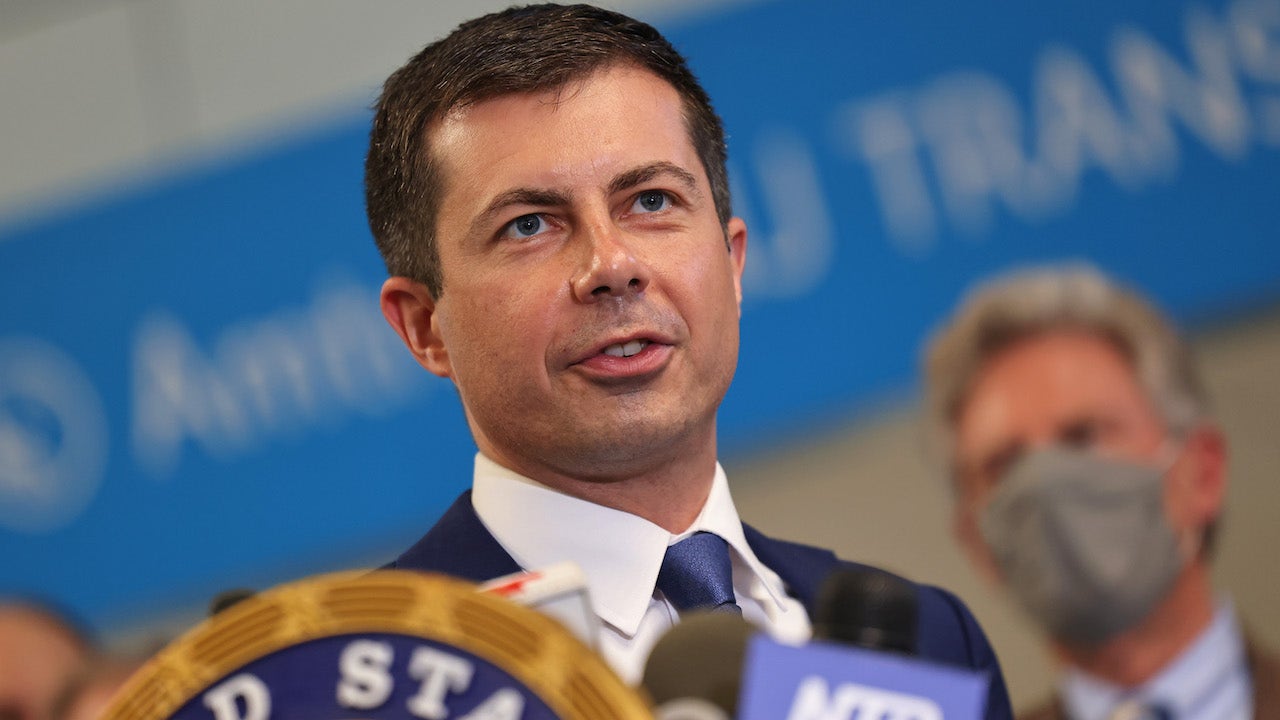
In a recent interview, Transportation Secretary Pete Buttigieg clarified the role of Vice President Kamala Harris in handling the border crisis. He emphasized that Harris was not in charge of the border itself, as that responsibility falls under the Homeland Security Department. Instead, Harris was tasked with engaging in diplomacy with Central American countries, recognizing their role in stemming the flow of migrants to the US-Mexico border.
Buttigieg highlighted the positive impact of Harris’ diplomatic efforts, pointing out that the numbers of migrants originating from Central American countries have decreased. While Fox News host Shannon Bream acknowledged the decrease, she also noted that the decline was minimal.
During the interview, Buttigieg also criticized former President Donald Trump for obstructing comprehensive immigration reform during his term. He argued that Trump’s intervention derailed bipartisan efforts in Congress to address immigration issues, as Trump benefited politically from the chaos at the border.
Bream challenged Buttigieg’s perspective by citing objections from Senate Minority Leader Mitch McConnell and other Republican lawmakers to certain provisions in immigration bills. Buttigieg, however, maintained that Trump’s influence ultimately thwarted progress on immigration reform.
Despite the criticism and scrutiny surrounding Harris’ handling of the border crisis, prominent Democrats have rushed to her defense. House Minority Leader Hakeem Jeffries dismissed criticisms of Harris as baseless attacks from Republicans seeking to undermine her credibility.
Jeffries condemned the labeling of Harris as the “border czar,” calling it a fabricated title intended to discredit her leadership. He accused Republicans of fabricating controversies to detract from pressing legislative issues and fuel partisan division.
As the debate over immigration policy and border security continues to intensify, politicians on both sides of the aisle are grappling with complex challenges and seeking solutions to address the crisis at the southern border. The need for bipartisan cooperation and effective governance remains paramount in finding sustainable and humane ways to manage migration and uphold national security.