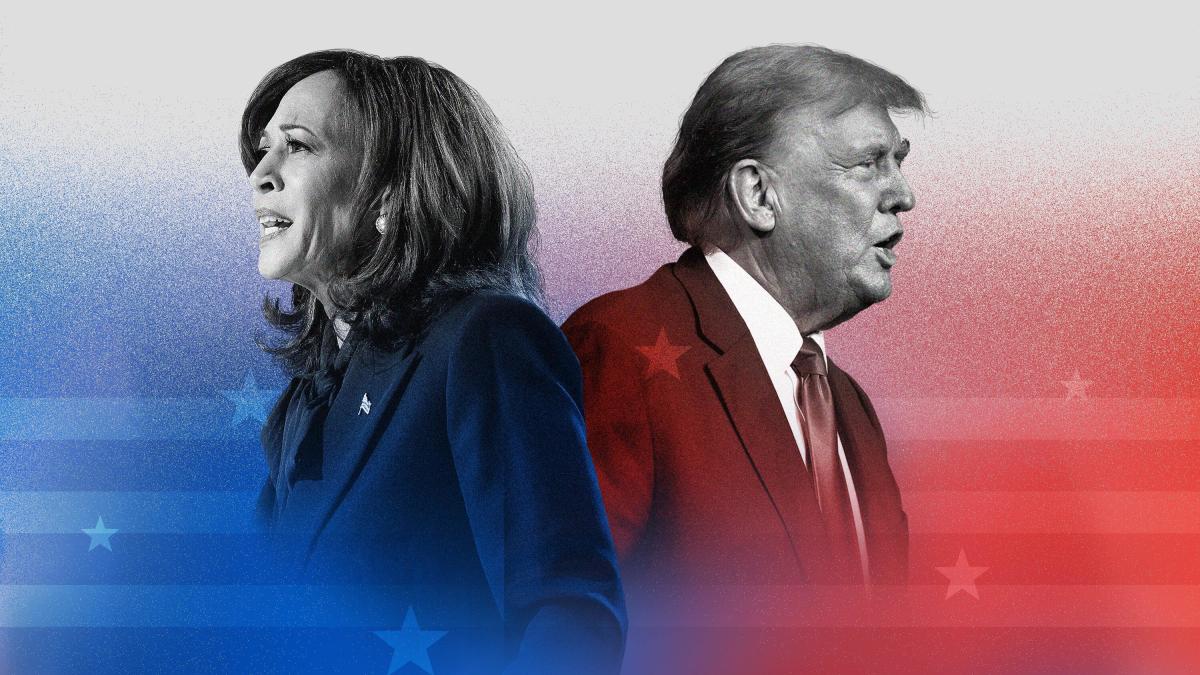
Candidates face off in important debate with live updates and fact-checking.
During the last debate in June, CNN moderators Dana Bash and Jake Tapper faced criticism for failing to fact-check former President Donald Trump or President Biden in real time. This sparked a debate about the role of moderators in ensuring an honest and informative discussion.
As preparations began for the upcoming debate in Philadelphia, ABC News political director Rick Klein emphasized the importance of moderators David Muir and Linsey Davis in “facilitating a discussion.” According to Klein, the primary focus should be on allowing the candidates to engage with each other and present their views to the American public.
When asked about the possibility of live fact-checking during the debate, Klein remained noncommittal. He stated, “We are not making a commitment to fact-check everything, or fact-check nothing.” Klein emphasized that the moderators’ role is to keep the conversation flowing smoothly and ensure that a robust debate takes place. This includes asking relevant questions, guiding the discussion, and maintaining a respectful atmosphere.
The debate over the role of moderators in fact-checking during debates is not a new phenomenon. In recent years, there has been a growing demand for moderators to take a more active role in verifying the accuracy of candidates’ statements. Critics argue that failure to fact-check in real time allows candidates to spread misinformation unchallenged.
On the other hand, supporters of a more hands-off approach believe that moderators should focus on facilitating a meaningful exchange of ideas rather than getting bogged down in fact-checking every statement. They argue that fact-checking can be complex and time-consuming, potentially disrupting the flow of the debate.
Despite the debate surrounding fact-checking, the ultimate goal of a debate is to allow voters to make informed decisions based on the candidates’ positions and policies. Moderators play a crucial role in ensuring that this goal is met by guiding the conversation, asking probing questions, and encouraging candidates to address key issues.
Regardless of where one stands on the issue of live fact-checking, it is clear that the role of moderators in debates is a challenging and complex one. Balancing the need for accuracy with the desire to promote a dynamic and engaging debate is no easy task.
As the debate in Philadelphia approaches, all eyes will be on moderators David Muir and Linsey Davis to see how they navigate this delicate balance. Will they take a more proactive approach to fact-checking, or will they follow the example set by their predecessors at CNN and adopt a more hands-off stance?
Ultimately, the success of a debate lies not only in the hands of the candidates but also in the skilled moderation of the discussion. The American public deserves a fair and honest exchange of ideas, free from misleading or false information. It is up to moderators to ensure that this goal is achieved, whatever approach they choose to take on the issue of fact-checking.