CBS News is investigating foreign campaign donations in response to Trump accusing U.K. Labour Party of election interference.
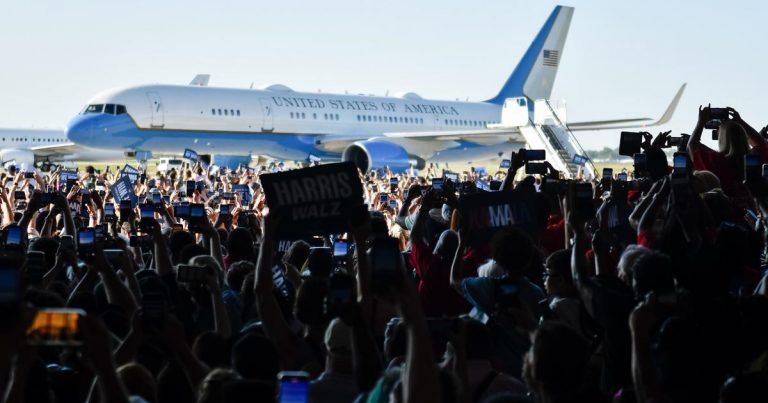
The Trump campaign has raised concerns over alleged foreign interference in the upcoming 2024 Presidential Election. The campaign filed a complaint with the Federal Election Commission, accusing the Labour Party of the United Kingdom of making illegal contributions to the Harris for President campaign. However, these claims have been refuted by the U.K. Labour Party and its leader, Keir Starmer. Despite the denial, lobbying firms and individual lobbyists registered as foreign agents of various governments worldwide have been found to donate substantial sums to both Republican and Democratic candidates. This practice, although legal, raises questions about the influence of foreign interests in American politics.
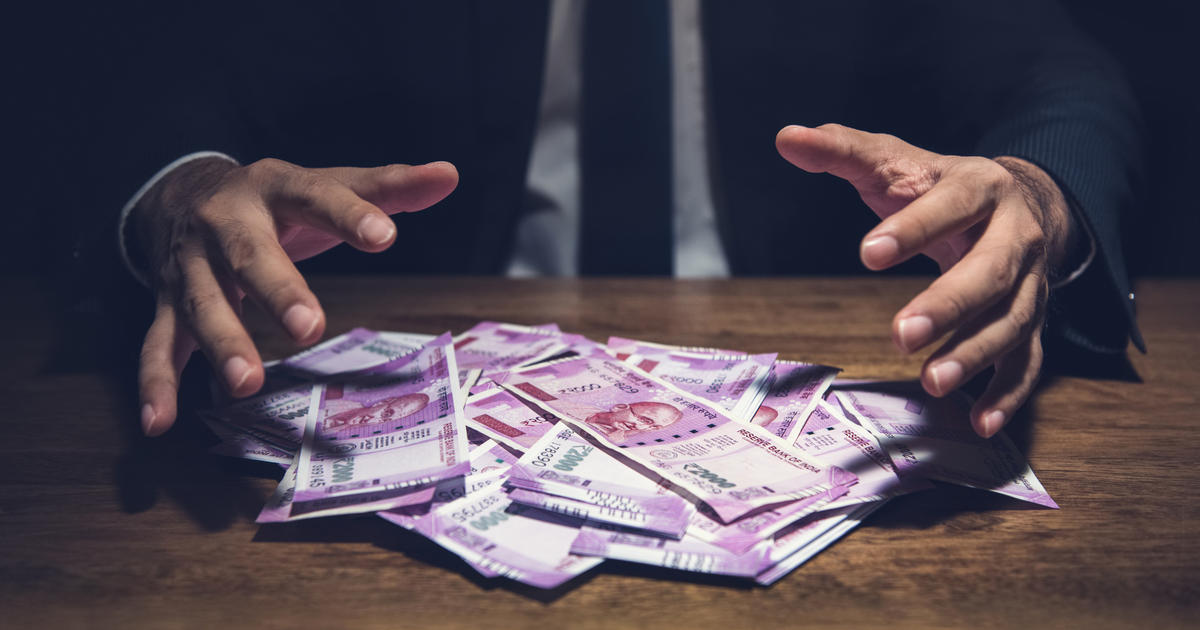
According to a CBS News analysis, over $33.5 million in political contributions came from registered foreign agents and lobbyists during the 2020 election cycle. This significant amount of money flowing into political campaigns underscores potential loopholes in existing campaign finance laws. Experts suggest that these contributions, and the conversations that accompany them, could significantly impact the political landscape.
One prominent firm, Brownstein Hyatt Farber Schreck, has been a major player in lobbying, generating $17 million in revenue in the third quarter of 2024. The firm has received substantial fees from foreign governments, with Saudi Arabia being a primary client. Additionally, Brownstein has donated over $2.3 million to political candidates across party lines this year, indicating a diverse distribution of funds.
Another lobbying group, Ballard Partners, has garnered around $375,000 from foreign governments in 2024. The firm’s chief signatory, Republican megadonor Brian Ballard, has made substantial contributions to the Republican National Committee and the Trump 47 Committee PAC. Despite his Republican leanings, Ballard also donated to Democratic Senator Chris Coons, prompting scrutiny over potential influences on legislative decisions.
The Akin Gump Strauss Hauer & Feld LLP lobbying group has earned millions from foreign government clients, notably the UAE and Saudi Arabia. Political contributions associated with the firm have been distributed to both Democratic and Republican causes, further emphasizing the bipartisan nature of these donations.
Similarly, the BGR Group has received significant funds from its top client, Qatar, and has made substantial contributions to Republican Senator Roger Wicker, who plays a crucial role in reviewing Qatar’s status as a major U.S. ally. The firm’s political involvement raises questions about the potential influence on legislative decisions and international relations.
Recent cases involving Democratic lawmakers have shed light on the vulnerabilities in foreign agent registry laws. Former Senator Robert Menendez, Rep. Henry Cuellar, and New York City Mayor Eric Adams have faced bribery charges related to illegal foreign influence campaigns. These cases have raised concerns about the efficacy of lobbying regulations and the need for reform.
Efforts to reform lobbying rules, such as the Fighting Foreign Influence Act, have faced obstacles in Congress, primarily due to the beneficiaries being lawmakers themselves. The interconnected nature of political contributions and lobbying activities underscores the need for greater transparency and accountability in campaign finance laws.
As the 2024 Presidential Election approaches, the role of foreign agents and lobbyists in influencing American politics remains a topic of debate. The influx of foreign funds and the potential impact on legislative decisions highlight the complexities of balancing international interests with domestic governance. Addressing these challenges requires a comprehensive approach to campaign finance reform and regulatory oversight to safeguard the integrity of the electoral process.