CBS News poll shows close race in Pennsylvania, Michigan, Wisconsin before debate
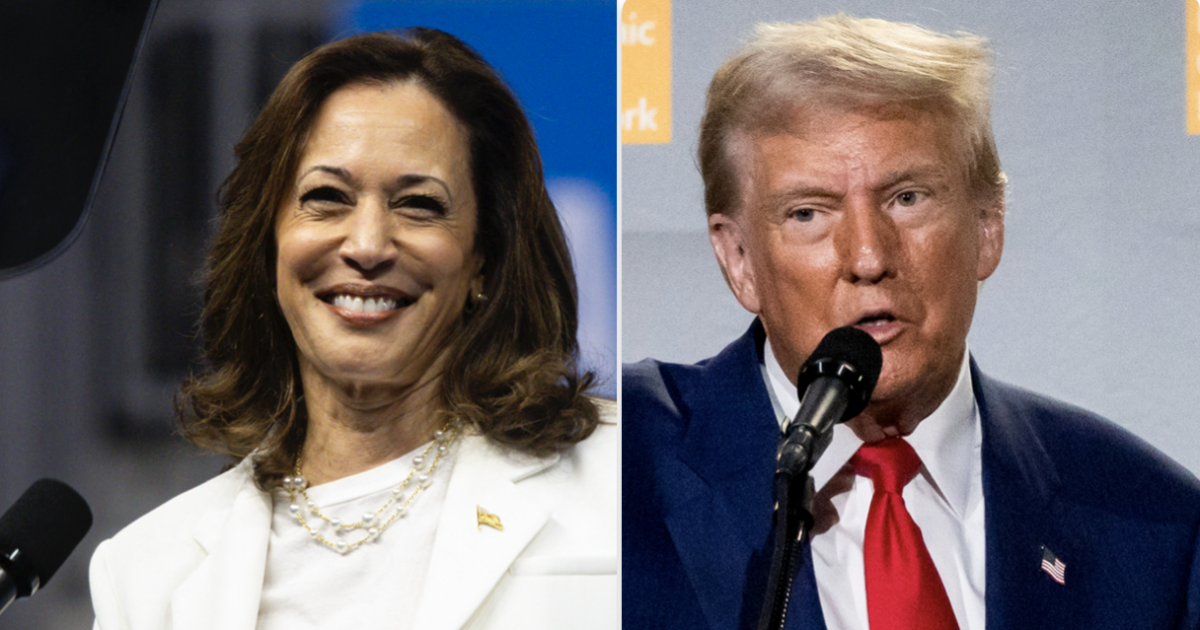
Welcome to the latest insights on the upcoming presidential race, as we delve into the battleground states of Pennsylvania, Michigan, and Wisconsin. These states, known for their tight races, offer us a glimpse into the larger narrative of the impending contest between Harris and Trump, just ahead of their first debate.
So, what exactly is causing the close race in these key states? Let’s break down some of the crucial factors at play, including perceptions regarding which candidate is better for different voter demographics, concerns about cognitive health, and the influence of campaign rhetoric and social media discourse.
On one hand, Trump seems to have an edge with voters who feel financially strained since the pandemic, whose incomes are not keeping pace with inflation, particularly non-college-educated white voters. A significant portion of these voters believe that Trump offers better opportunities for the working class, which has traditionally been a pivotal group in these states.
Conversely, Harris holds her ground on certain fronts. She is perceived as slightly more attentive to the interests of the middle class compared to Trump. Additionally, Harris is viewed as more inclined towards making housing more affordable in states where affordability is a pressing issue.
However, certain group dynamics come into play as well. Despite Harris’ appeal to union workers and communities of color, some white non-college-educated voters believe she prioritizes the interests of Black and Hispanic individuals over their own. While Harris may have an advantage on specific issues, the actual voting behavior among these groups remains varied.
Leading up to the debate, a notable shift has occurred in public perception concerning cognitive and mental health qualifications. Harris is now viewed more favorably in this aspect, indicating a significant change from previous polling figures when Biden was still in the picture.
As we look at the impact of recent campaign rhetoric and social media interactions, opinions are divided. A majority find Trump’s comments towards Harris disrespectful, which influences their views negatively. However, a significant portion chooses to overlook this disrespectful behavior, with some even affirming their support for Trump regardless.
Perceptions of what constitutes insulting behavior differ among voters, with MAGA Republicans showing a more mixed response to Trump’s statements. Similarly, while most Trump supporters find Harris’ comments offensive, the overall sentiment is less pronounced compared to the perception of Trump’s remarks.
When it comes to the overall “excitement factor” and broader perceptions, Harris seems to have an advantage. Her positions are seen as more mainstream than extreme, resonating with a larger segment of voters who prefer a president with mainstream views. This preference for mainstream leadership has influenced election outcomes in these states in recent years.
On the excitement front, Harris garners more enthusiasm among partisans, with Democrats expressing greater excitement about her campaign than Republicans do about Trump’s. This has translated into a solid base of Democratic support, with voters across party lines showing equal commitment to casting their votes.
The CBS News/YouGov surveys conducted in September 2024 provide valuable insights, with a focus on registered voters in Michigan, Pennsylvania, and Wisconsin. These surveys offer a glimpse into the sentiments and preferences of voters in these crucial battleground states, shedding light on the factors that may shape the outcome of the upcoming presidential race.