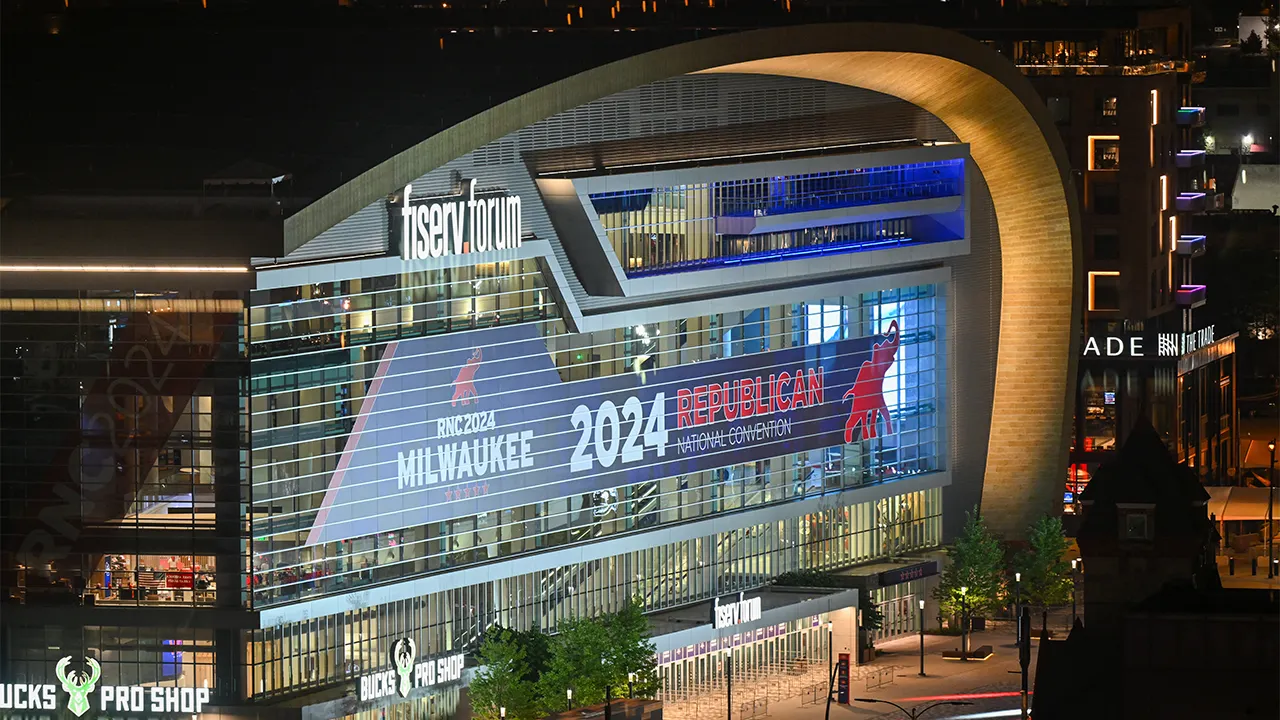
Conflict between RNC and Secret Service resurfaces after shooting at Trump rally.
**Republican National Convention Security Concerns Rise Following Assassination Attempt on Trump**
In the midst of the upcoming Republican National Convention (RNC), security concerns have escalated following an assassination attempt on former President Trump. The incident occurred during a rally in Butler, Pennsylvania, where Trump was seen with blood on his face after being rushed off-stage by Secret Service agents. Despite the ordeal, Trump received treatment at a local hospital and is reported to be in stable condition.
As preparations are underway for the RNC, where Trump is expected to be named the official Republican nominee for president, tensions have been brewing between the GOP and law enforcement agencies, particularly the Secret Service. In a letter sent in May, Republican National Committee counsel Todd R. Steggerda expressed concerns to Secret Service Director Kimberly A. Cheatle regarding the security arrangements for the convention. The RNC raised issues about the proximity of a designated First Amendment zone for protesters to the convention site, fearing potential risks to the safety of attendees.
The Secret Service defended its security plan, asserting that multiple meetings had been held with convention staff and leaders to address concerns and develop an effective strategy. However, the dispute over the placement of the protest zone continued, with Republicans advocating for a relocation farther away from the convention site to mitigate security threats.
With an anticipated attendance of over 50,000 individuals at the convention, the stakes for ensuring a secure environment are high. While Republicans pressed for a stricter buffer between demonstrators and convention-goers, activists sought greater access to the RNC venue. Groups such as the American Civil Liberties Union (ACLU) and the Coalition to March on the RNC 2024 had filed a lawsuit against the city of Milwaukee, claiming infringement of their First Amendment rights by not being allowed to parade near Fiserv Forum, the convention location.
Despite their efforts, the groups faced a setback as U.S. District Judge Brett Ludwig ruled in favor of restricting direct protests in front of the RNC, citing security concerns. The clash between protesters’ rights and security measures has drawn attention, particularly in the aftermath of the assassination attempt on Trump at the rally.
Following the incident, calls for accountability and transparency have emerged from political figures such as Sen. Rick Scott of Florida. As a member of the Senate Committee on Homeland Security and Governmental Affairs, Scott demanded swift action from the Department of Homeland Security (DHS) and the Secret Service to investigate the circumstances of the assassination attempt and ensure the safety of all attendees at the upcoming conventions.
Amidst the heightened security concerns, Trump’s campaign reaffirmed his commitment to attending the RNC, stating, “President Trump looks forward to joining you all in Milwaukee as we proceed with our convention to nominate him to serve as the 47th President of the United States. As our party’s nominee, President Trump will continue to share his vision to Make America Great Again.”