Conspiracy Theories Spread Online After Second Assassination Attempt on Trump
Conspiracy theories and misinformation run rampant on social media after news of a second assassination attempt on former President Donald Trump surfaces. People are quick to form their own narratives, regardless of facts or evidence, to fit their preconceived beliefs. Katherine Keneally, the director of threat analysis and prevention at the Institute for Strategic Dialogue, highlights how this information gap allows for the proliferation of false information.
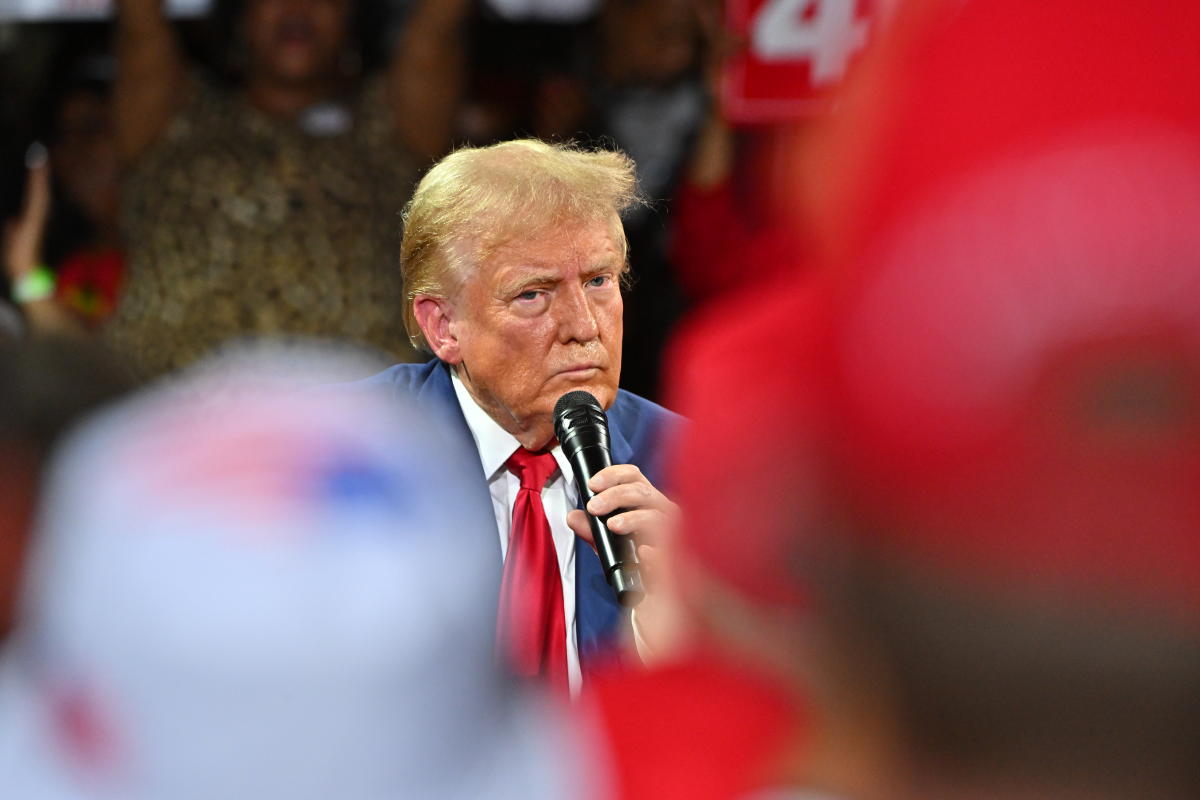
Various unfounded theories emerge, suggesting that the attempts on Trump’s life were staged or orchestrated by the FBI. Elon Musk even stirs the pot with his doubts about the authenticity of the incident. Trump himself fuels the fire by attributing the assassination attempts to the rhetoric of Biden and Harris, despite lack of concrete proof.
The relentless spread of misinformation is not a new phenomenon, but it has reached unprecedented levels in the digital age. Powerful algorithms and technology, coupled with a lack of regulation on social media platforms, create an environment where falsehoods thrive. The advent of AI and automated systems only exacerbates these issues, pushing the boundaries of what is believable.
Joan Donovan, an expert in journalism and misinformation, deciphers the vicious cycle of media manipulation campaigns. These campaigns start on social media, permeate various platforms, and eventually make their way to mainstream news outlets. As journalists strive to uphold ethical standards in reporting, manipulators exploit the lack of oversight on social media to disseminate conspiracy theories.
With the upcoming November election, the onslaught of disinformation is only expected to intensify. Baseless claims like the one about Haitian migrants eating pets in Springfield, Ohio, gain traction through social platforms notorious for extremist views. Political figures like JD Vance further amplify these falsehoods, perpetuating a culture of misinformation.
Despite some efforts to combat disinformation, like the letter sent by Senators Klobuchar and Warner to tech companies, the battle against false narratives remains an uphill one. Keneally underscores the urgent need for effective guardrails in the social media ecosystem to curb the spread of misinformation. Without significant intervention from tech companies, the cycle of disinformation may spiral out of control.