Court says borough cannot ban lawn signs.
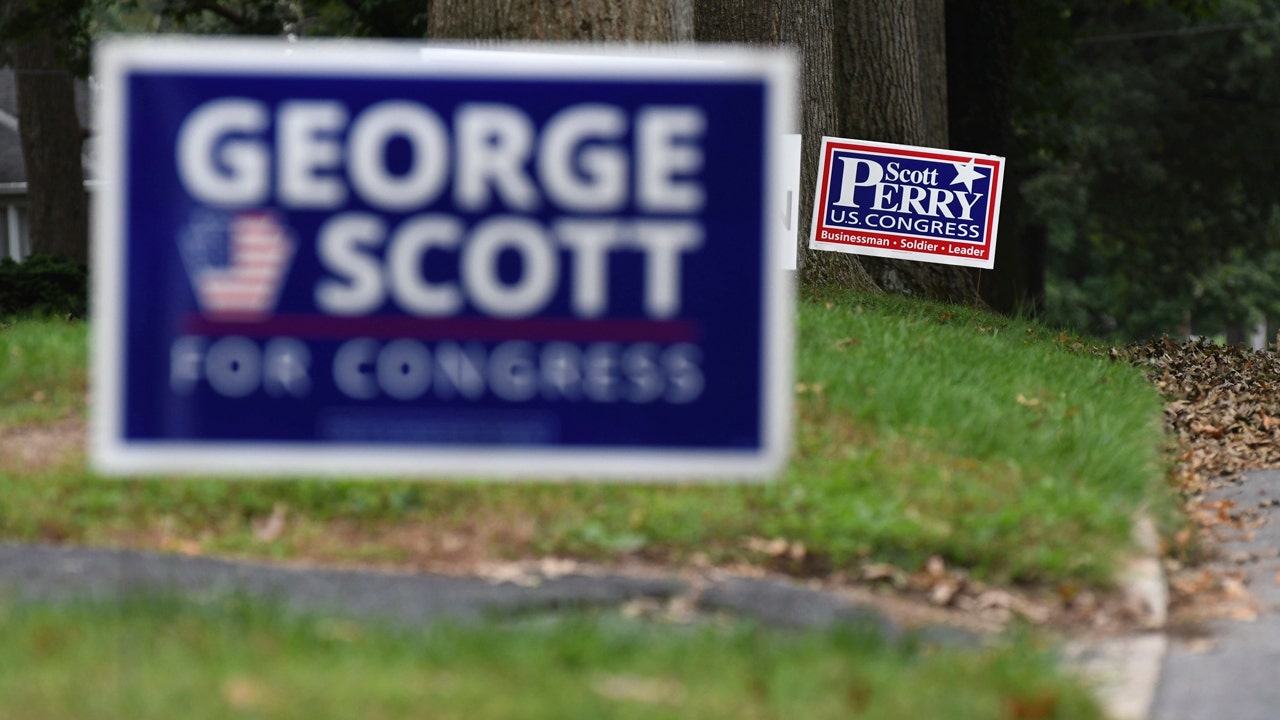
The recent ruling by a federal appeals court panel has brought to light the unconstitutional nature of a small Pennsylvania town’s ordinance aimed at reducing the presence of lawn signs. The ordinance, which restricted political lawn signs to a great extent, was found to infringe upon the free speech rights of residents, according to the court’s decision on Thursday.
The town in question, Camp Hill Borough, home to approximately 8,000 residents near Harrisburg, saw its 2021 ordinance challenged in court. The three-judge panel of the 3rd U.S. Circuit Court of Appeals ruled against the town, upholding a previous decision that deemed the ordinance unconstitutional.
In a comprehensive 11-page decision, Judge Stephanos Bibas dismantled the borough’s argument that the ordinance merely regulated the “time, place, and manner” of signs. Bibas pointed out that the ordinance unjustly discriminated between different types of signs based on their content, leading to an excessive limitation on free speech rights.
Notably, the Camp Hill ordinance imposed stricter restrictions on noncommercial signs, particularly political signs, compared to commercial or holiday signs, indicating a clear bias against certain types of messages. While the town’s stated interests in traffic safety and aesthetics are valid, the court found them insufficient to justify hindering free speech rights.
Describing the ordinance as a “crazy quilt” that unfairly targets certain messages, Bibas unequivocally declared the ordinance unconstitutional on its face due to its discriminatory nature.
One of the core provisions of the ordinance that sparked controversy was the limitation on the number and duration of “personal expression” signs that residents could display, especially leading up to events like elections. Residents were restricted to having no more than two signs, prohibited from lighting them up, limited to a maximum height of 6 feet, and required to remove them within 30 days following the event.
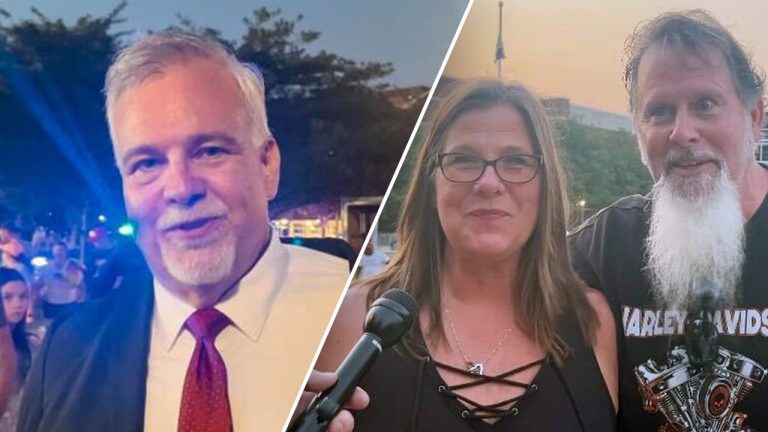
Following the enforcement of this ordinance, the Camp Hill Borough Republican Association and two residents took legal action in 2022, challenging its legality and arguing for the protection of their free speech rights.
For instance, one resident received a citation from the borough code enforcement officer for displaying three lawn signs supporting various political candidates. Another resident was informed that their signs endorsing specific candidates had to be taken down within 60 days of the general election, sparking further outrage and legal action.
Paul Lewis, chair of the Camp Hill Borough Republican Association, hailed the court’s decision as a victory for constitutional rights and freedom of expression, emphasizing the importance of safeguarding these principles regardless of political affiliations.
On the other hand, the borough expressed disappointment with the ruling and raised concerns about the potential implications it could have on municipalities’ ability to regulate signs for traffic safety and aesthetic purposes. While officials are yet to decide on a course of action regarding the ruling, the outcome of the case underscores the importance of upholding free speech rights and ensuring fair and equitable regulations within communities.