Critics say Biden’s border order has many loopholes.
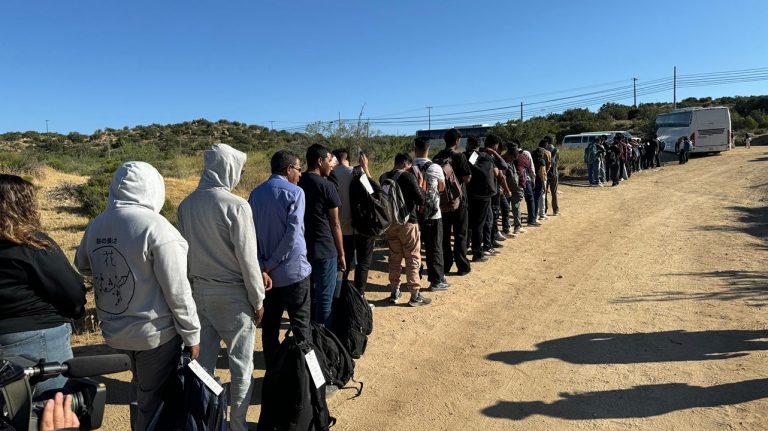
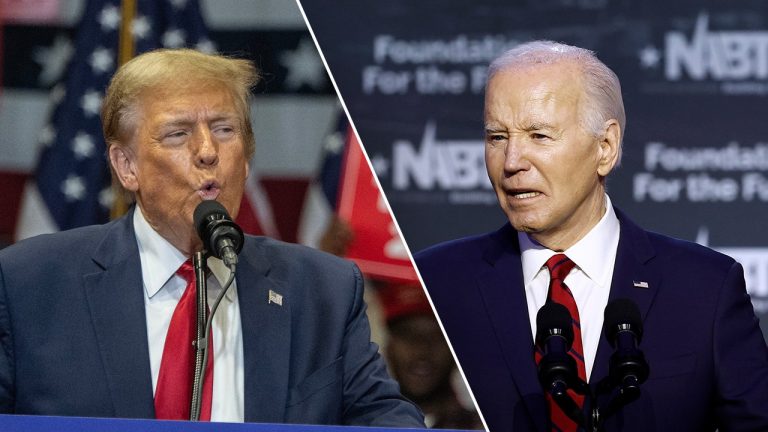
President Biden has taken action to limit asylum claims at the southern border, but critics say there are significant exceptions to his executive order that render it practically ineffective. The announcement, made on Tuesday, includes a temporary suspension of migrant entries once the average number of border encounters exceeds 2,500 a day over a seven-day period. This suspension will remain in effect until there are fewer than 1,500 encounters over the same time frame.
The order is accompanied by an interim rule from the Departments of Homeland Security and Justice, which raises the standards migrants must meet for initial asylum screenings. While this move has garnered criticism from both Democrats and Republicans, as well as a potential lawsuit threat from the ACLU, it contains a number of exceptions that have ignited additional controversy.
The exceptions to the order are quite significant. It does not apply to legal immigrants, unaccompanied children, or those identified as victims of severe trafficking. It also excludes individuals who schedule an appointment through the CBP One app at a port of entry, currently allowing around 1,500 people to enter daily. Moreover, there is an exception for individuals permitted entry based on specific circumstances, such as urgent humanitarian or law enforcement considerations. Additionally, noncitizens can be allowed entry based on operational necessities.
Republicans have expressed concern about these exceptions, labeling them broad enough to be easily exploited. Critics argue that the exceptions could enable traffickers to bring minors into the country for exploitation, including forced labor, sex trafficking, and abuse. Former White House official, Stephen Miller, was particularly vocal about his opposition to the exception for unaccompanied minors.
DHS Secretary, Alejandro Mayorkas, refuted claims that the exceptions provide a green light for smugglers, emphasizing that cartels exploit various vulnerabilities and that unaccompanied children present a significant humanitarian concern. The Biden administration has defended these exceptions as a departure from the Trump administration’s approach, highlighting the humanitarian considerations and safeguards in place.
The executive order also tightens requirements for expedited removals of illegal immigrants. Instead of individually asking migrants about their fears of persecution in their home countries, officials will now rely on general notice and observe verbal and nonverbal cues indicating potential fear of deportation. Signs detailing access to medical care, asylum officers, and other authorities will be posted in detention centers, with translations available in multiple languages.
Conservative critics argue that despite these changes, the overall impact of the executive order will be minimal. They maintain that the fundamental issues at the border remain unresolved and that the new guidelines will not significantly alter the existing conditions.