Critics say new Georgia rules backed by Republicans could harm election certification.
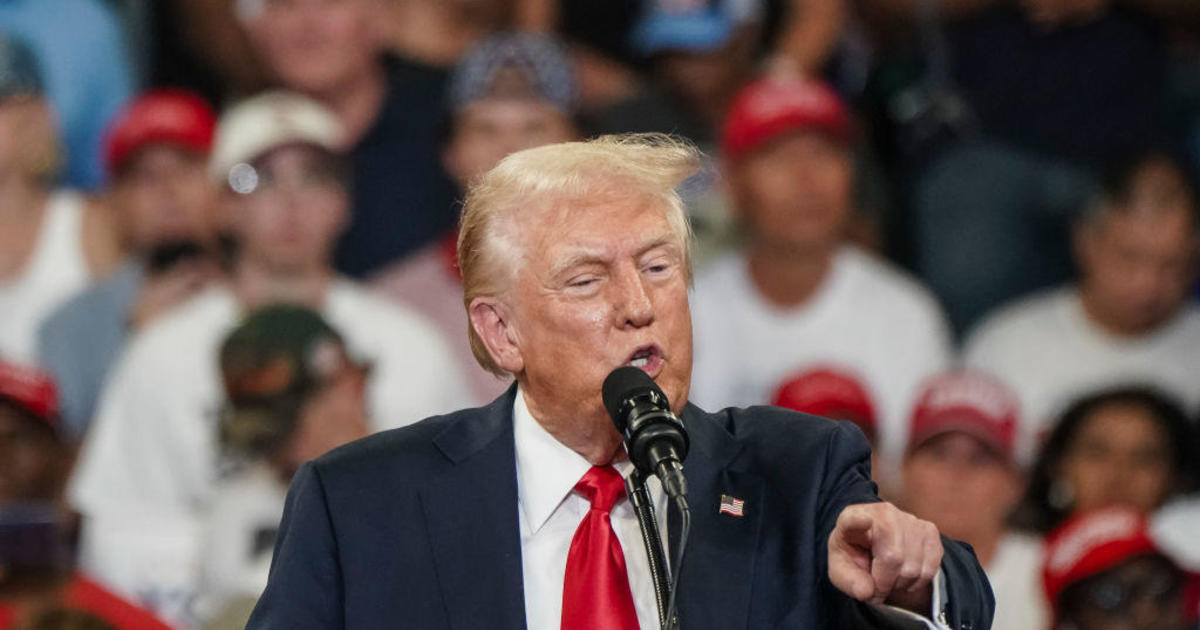
Former President Donald Trump recently expressed his appreciation for the efforts of three Republicans on the Georgia State Election Board during a rally in Atlanta. Trump commended Janice Johnston, Rick Jafferes, and Janelle King for their work in ensuring the integrity of the 2024 election, describing them as dedicated individuals fighting for honesty, transparency, and victory.
This show of support comes at a crucial time as Georgia’s State Election Board has emerged as a battleground in questioning the authenticity of the vote counting process in the state, especially with the upcoming presidential election just around the corner.
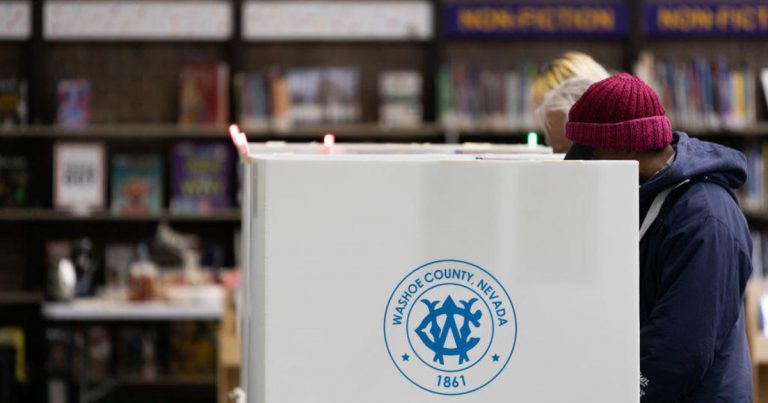
Earlier this summer, the board engaged in a divided vote and approved two rules that empower local officials in Georgia’s 159 counties to challenge the election results before certification. Certification marks the end of the canvassing process, where ballots are tabulated and counted.
In recent years, certification has become a focal point for election conspiracy theorists across the nation seeking to delay the finalization of election results. Several counties in different states, including Arizona, North Carolina, and Pennsylvania, have attempted to block the certification of their elections, fueling doubts about the legitimacy of the electoral process.
This year alone, Nevada and Michigan witnessed officials in key battleground states resisting the certification of local races, setting a precedent for potential challenges following the upcoming presidential election. The new rules in Georgia and other states are providing local officials with opportunities to question the validity of elections, contributing to heightened scrutiny over the electoral process.
Experts like Matthew Seligman from the Constitutional Law Center at Stanford Law School and David Becker, a CBS News election law contributor, have raised concerns about the motivations behind these efforts. Seligman views it as a strategy to create doubt and exploit weaknesses in post-election procedures, while Becker condemns it as a power grab that undermines the foundation of democracy.
A recent CBS News Battleground Tracker poll showed Vice President Kamala Harris and Trump tied at 49% each in Georgia, highlighting the state’s pivotal role in the upcoming election. The five-member state board in Georgia holds the responsibility of setting voting regulations, ballot counting protocols, and overseeing the certification process.
Notably, the latest rules passed by Georgia’s State Election Board aim to expand the role of county officials in certifying elections, potentially delaying the certification of presidential results beyond the legally mandated deadline of November 12 at 5 p.m. ET.
One rule, proposed by Michael Heekin, requires counties to conduct a “reasonable inquiry” before certifying elections, leaving room for ambiguity on the definition of a reasonable inquiry and its duration. Tori Silas, the chairwoman of the Cobb County Board of Elections and Registration, raised concerns about the lack of clarity and consistency in implementing this rule.
Furthermore, the second rule allows county board members to scrutinize election-related documents without specifying the scope of documentation to be examined. Introduced by Salleigh Grubbs, head of the Cobb County Republican Party, the rule mandates reconciliation of ballots to voter numbers before certifying votes.
The genesis of these rules reached a crescendo with the far-right takeover on the Georgia State Election Board by Republicans lauded by Trump at the Atlanta rally. This majority pivot led to the approval of rules that critics consider redundant, given existing mechanisms for investigating election results.
Opponents of the new rules highlight that there are established processes for reviewing election outcomes, with state laws mandating certification before recount or audit requests. Instances like the three audits and recounts conducted on Georgia’s 2020 presidential ballots unveiled no evidence of fraud, emphasizing the robustness of the existing system.
Georgia Secretary of State Brad Raffensperger, a Republican, expressed discontent with the recent proceedings at the State Board and criticized the potential delays in election certification. He emphasized the importance of maintaining voter confidence and the integrity of the electoral process.
The looming threat of delayed certification could have significant repercussions, especially with the strict deadlines in place for certifying election results. Any delay beyond these deadlines could provide ammunition for election deniers or political factions to contest the results, fostering uncertainty and potentially inciting unrest.
In response to the concerns raised, Grubbs believes that counties will adhere to the certification timeline despite the new rules. However, the rules have already triggered litigation, with the Democratic National Committee, Democratic Party of Georgia, and the Harris-Walz campaign filing a lawsuit against Georgia’s State Election Board, arguing that the rules violate state laws and risk disenfranchising voters.
As Georgia and other states navigate the complexities of the election process, the spotlight is on upholding the principles of democracy and ensuring the sanctity of every vote cast. The unfolding events underscore the importance of transparency, accountability, and adherence to established legal frameworks to preserve the integrity of the electoral system.