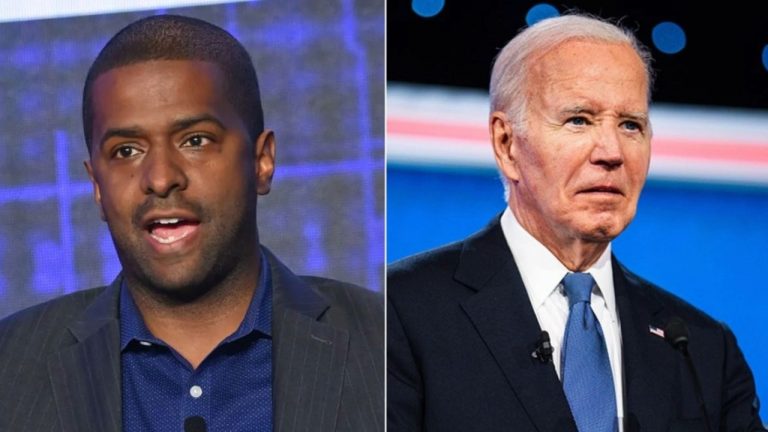
Democrat staff member criticized for spending a lot of money after thanking Biden for canceling student debt.
A House Democratic Staff Member Sparks Controversy Over Student Loan Debt Relief
A House Democratic staff member, Ben Kamens, found himself under intense scrutiny and backlash on social media after publicly praising President Biden for the erasure of his $8,000 student loan debt. Kamens, who serves as the communications director for Democratic Rep. Marcy Kaptur, ignited a firestorm with a viral post showcasing the elimination of his student loan burden.
Amidst celebrations for his debt relief, conservatives criticized Kamens for seemingly flaunting his taxpayer-funded debt forgiveness, given his annual salary of up to $90,000. This backlash intensified when social media users unearthed past posts by Kamens portraying extravagant spending habits, including dining at high-end restaurants, attending expensive events, and indulging in luxury items.
Controversial Social Media Posts and Public Outrage
Posts by Kamens showing him enjoying lavish meals at pricey establishments, owning season tickets for sports teams, and staying at luxury accommodations surfaced online, stoking public anger. Critics pointed out the stark contrast between Kamens’ extravagant lifestyle and the median income of the constituency he serves, highlighting perceived insensitivity and privilege.
Social media users lambasted Kamens for his perceived lack of empathy and understanding towards hardworking individuals struggling with student loan debt, contrasting his situation with those who diligently repay their loans without government assistance. The revelation of Kamens’ high-spending habits further fueled the controversy, prompting an outpouring of condemnation from various quarters.
Reactions and Political Fallout
NRCC Communications Director Jack Pandol and Red State Editor Bill “Streiff” Crews were among those who criticized Kamens’ display of opulence, highlighting the disparity between his lifestyle choices and the financial realities faced by many Americans. Others, such as Sal Nuzzo of the James Madison Institute, expressed outrage at the perceived arrogance and entitlement exhibited by Kamens in his social media posts.
Amidst the backlash, Kamens’ employer, Rep. Marcy Kaptur, faced her own share of criticism for her inconsistent stance on student loan bailouts. Kaptur’s past remarks questioning the fairness of debt forgiveness and her voting record against initiatives supporting Biden’s student loan relief plan drew condemnation from constituents and commentators alike.

Conclusion
The controversy surrounding Ben Kamens’ public celebration of his student loan debt relief serves as a stark reminder of the ongoing debates surrounding fiscal responsibility, government intervention, and personal accountability in the realm of student loans. The backlash directed at Kamens and his employer underscores the importance of empathy, ethical conduct, and transparency in public service, as well as the need for elected officials and their staff to be mindful of their actions and words in the public domain.
As the discussion around student loan forgiveness continues to evolve, instances like Kamens’ social media posts highlight the complex dynamics at play and the broader societal implications of policy decisions affecting student debt. Moving forward, greater sensitivity, understanding, and a commitment to equitable solutions are paramount to addressing the challenges faced by those burdened with student loan obligations.