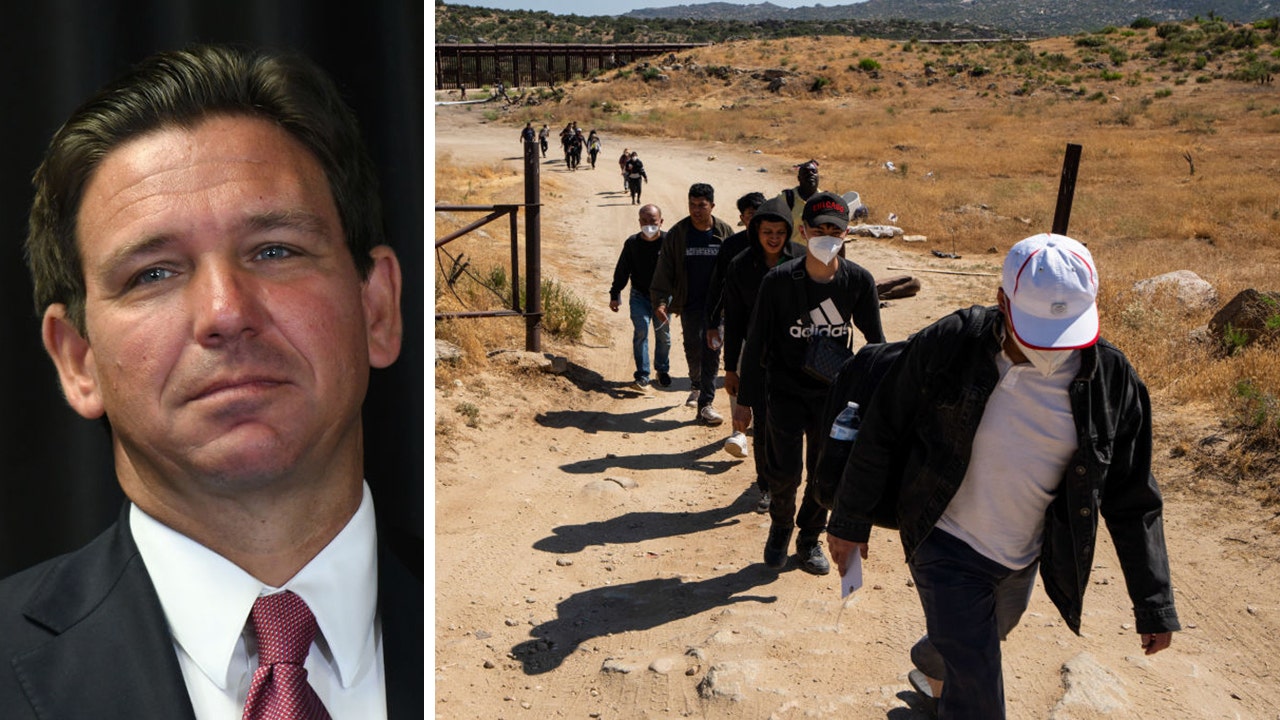
DeSantis praises success of anti-illegal immigrant policies as sanctuary cities struggle with migrant increase.
Florida Gov. Ron DeSantis is making headlines for his successful efforts to deter illegal immigration into the state. New data shows that Florida’s Medicaid spending on illegal immigrants has seen a significant drop, showcasing the impact of DeSantis’ policies.
As of May in the fiscal year 23-24, Florida’s Emergency Medical Assistance program spending has plummeted to $67 million, marking a decrease of over 50%. This data, first reported by Politico, highlights the connection between the law and the reduced Medicaid spending. While patients are not obligated to disclose their immigration status, activists raise concerns about potential chilling effects on immigrants seeking medical care. Despite being ineligible for Medicaid under federal law, illegal immigrants must receive emergency care.
The legislation Gov. DeSantis signed includes various provisions aimed at making Florida less attractive to illegal entrants. These measures encompass mandatory E-Verify, a prohibition on NGOs and local governments issuing IDs to illegal immigrants, actions to revoke licenses of employers hiring illegal immigrants, and additional funding for a transportation program relocating illegal immigrants to sanctuary jurisdictions.
In a recent appearance on “Hannity,” DeSantis emphasized his ban on sanctuary jurisdictions in Florida and reinforced his stance against illegal immigration. He noted the necessity for state-level actions due to the lack of federal support under the Biden administration.
DeSantis attributed the decline in Medicaid spending to their practice of inquiring about immigration status at hospitals. This, he claims, has led to a 50% decrease in Medicaid expenditures. Additionally, he mentioned bolstered enforcement along the southern Florida coast to deter illegal entry by boat, migrant transports to areas like Martha’s Vineyard, and deployments of troops to Texas to aid in curbing illegal immigration.
Moreover, DeSantis highlighted legislative measures to invalidate driver’s licenses issued to illegal immigrants in other states from being recognized in Florida. These collective actions, according to DeSantis, have been instrumental in dissuading individuals from attempting to enter the state illegally.
Nevertheless, these stringent policies have sparked criticism from immigration activists, who decry them as inhumane and anti-immigrant. Conversely, some businesses have reported a shortage of workers, particularly in industries like agriculture, affecting their productivity and profitability.
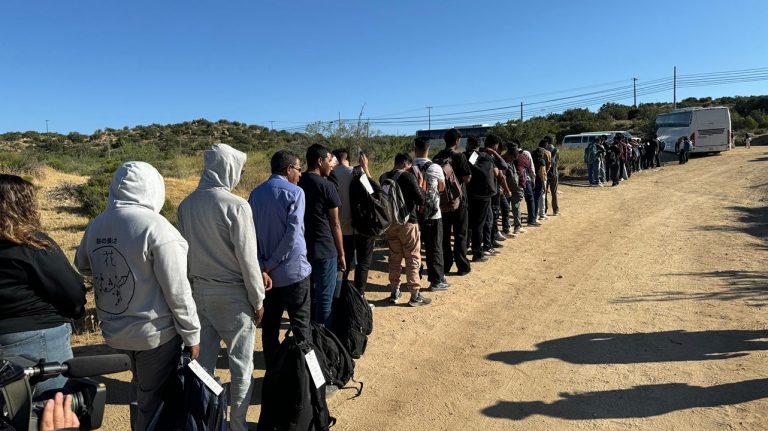
While places like Miami have historically served as primary arrival points for illegal immigrants, Florida has managed to evade some of the challenges associated with the migrant crisis that have plagued blue cities and states.
Contrastingly, states like Massachusetts have issued warnings to migrants, citing that their shelter system is at full capacity and unable to accommodate new arrivals. Other metropolitan areas, such as New York City, Boston, and Chicago, have lobbied for increased federal funding and expedited work permits for migrants to alleviate the strain caused by the uptick in arrivals, often admitting that their welcoming stance may inadvertently incentivize migration.
The divergent approaches taken by different states and cities underscore a larger national debate on handling illegal immigration. The Biden administration advocates for a more orderly border process aligned with American values, calling on Congress to enact comprehensive immigration reforms and increase funding. In contrast, Republicans blame the administration for contributing to the crisis through lenient policies, advocating for stricter border security measures and tighter entry restrictions into the U.S.
The complexities of the illegal immigration issue remain at the forefront of political discourse, with diverging viewpoints on the best course of action to address the challenges posed by unauthorized entry into the country.