Does it matter if you like or dislike a candidate in the Trump v. Harris poll?
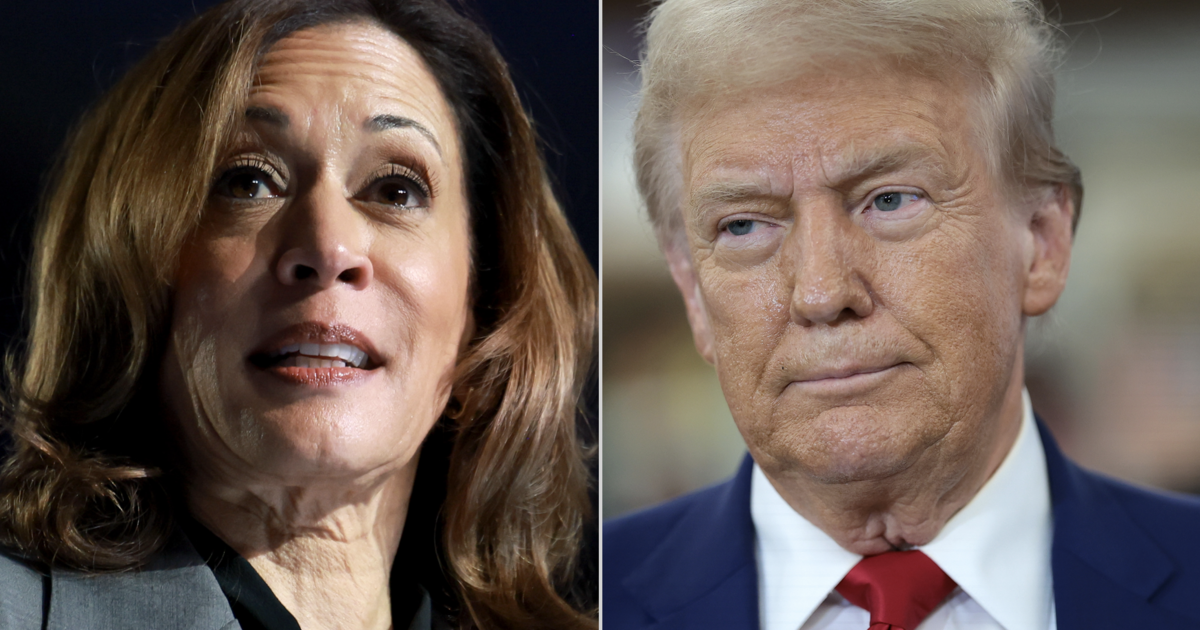
In the realm of politics, likeability can play a pivotal role in shaping public opinion and influencing voter behavior. This is particularly evident in the case of Kamala Harris and Donald Trump, where the perception of their personal traits and behavior has a significant impact on voter support.
According to recent data, when voters view either candidate favorably, they are more likely to back them overwhelmingly. However, the dynamics shift when voters express dislike towards the candidates. Interestingly, the relationship between unlikability and vote choice differs for Harris and Trump.
For Kamala Harris, being personally liked is a critical factor. While she surpasses Trump in terms of likeability, about half of the voters dislike how she handles herself personally. Surprisingly, a mere 5% of those who dislike Harris are still voting for her.
In contrast, Trump manages to retain a significant portion of support even among voters who dislike him personally. Nearly two-thirds of voters express their dislike towards Trump, but 21% of them are still backing him, showcasing a strong base of loyal supporters.
The trend holds true across gender lines as well. The percentages of men and women who dislike Trump but continue to support him outweigh those who dislike Harris and still back her. This disparity underscores the unique appeal and resilience of Trump’s base.
Another intriguing aspect is how voters perceive the candidates’ communication styles. While a majority find Trump’s speech insulting, a substantial portion of them are willing to overlook this trait and support him. Conversely, those who find Harris to be insulting exhibit lower levels of support for her.
Furthermore, the emphasis on personal qualities varies between Harris and Trump supporters. While both groups prioritize a candidate’s policies, Trump supporters place less importance on personal traits. This discrepancy is particularly pronounced among those who dislike Trump, indicating a nuanced understanding of his character amongst his base.
It’s worth noting that a significant number of voters who disapprove of Trump’s behavior still voted for him in 2020. This suggests a level of familiarity and acceptance among his supporters, who believe that he remains consistent in his words and actions.
The findings of the CBS News/YouGov survey shed light on the intricate relationship between likeability, personal traits, and voter loyalty. As the presidential race unfolds, these insights provide valuable context for understanding the factors driving voter decisions and shaping the political landscape.
Ultimately, the diverse reactions towards Harris and Trump underscore the complexity of political preferences and the multifaceted nature of public opinion. While likeability is a crucial factor, it is not the sole determinant of voter behavior. As the candidates navigate the campaign trail, their ability to connect with voters on a personal level will continue to be a significant factor in winning hearts and minds.