Efforts underway to get young Latinos to vote in 2024
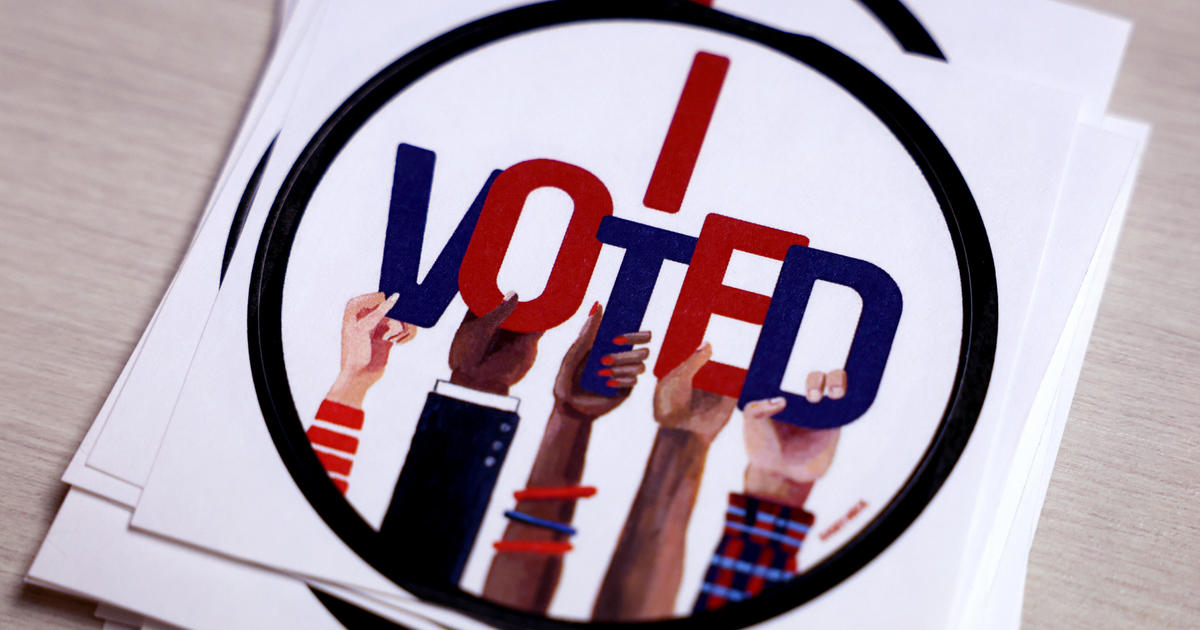
Young Latino voters like Anais Lopez are gearing up to participate in the upcoming presidential election, but they are feeling overlooked and unheard. Despite efforts from both Republican and Democratic groups to increase Latino outreach, many young Latinos are still hesitant to engage in the political process.
Lopez is just one of almost 12 million Latinos under the age of 30 who are eligible to vote in November. She expressed her frustration by stating, “We’re grouped as one in many ways, but there’s millions of us.” She believes that young Latinos are often viewed in a monolithic manner, which undermines their diversity and individual voices.
In the 2020 election, only 34% of Hispanics aged 18-24 reported voting, significantly lower than the 48% of all young adults in the same age group who voted, according to U.S. Census data. UnidosUS, a Hispanic civil rights and advocacy organization, predicts that one in four registered Hispanic voters will be participating in their first presidential election this year.
States like New Mexico and Arizona, with significant Latino populations, are expected to see the impact of Latino voter turnout in their election results. In Arizona, two battleground races in the 1st and 6th Congressional Districts could potentially be decided by Latino voters.
Organizations like the Latino Community Foundation (LCF) are working tirelessly to increase Latino political participation. LCF invests in Latino-led organizations and aims to educate and mobilize Latinos to recognize the importance of their vote. Christian Arana, vice president for civic power and policy for LCF, highlighted the critical role that Latino voters can play in determining election outcomes.
Some candidates, like Rep. Juan Ciscomani in Arizona’s 6th District, are facing tough competition and are looking to appeal to young voters on issues like abortion rights. Other candidates, like Democratic primary contenders in Arizona’s 1st Congressional District, are actively engaging with young Latino voters to secure their support.
In New Mexico, Rep. Gabriel Vasquez and his Republican opponent, Yvette Herrell, are also vying for Latino voter support by addressing economic concerns relevant to the Hispanic community. Both parties are actively pursuing Latino voters, but young Latinos are increasingly identifying as independent voters.
The Jolt Initiative in Texas recognizes the need to make civic engagement a generational habit among Latinos. They aim to empower young Latinos to make voting a consistent part of their lives. According to executive director Gabriel Sanchez, campaigns need to bridge the gap and collaborate effectively to engage young Latino voters.
As the number of eligible Hispanic voters continues to grow, political campaigns must adapt and connect with this demographic. With so much at stake and a significant portion of the electorate up for grabs, the importance of acknowledging and addressing the concerns of young Latino voters cannot be understated.