Experts explain VP Harris’ role in using the 25th Amendment to remove Biden
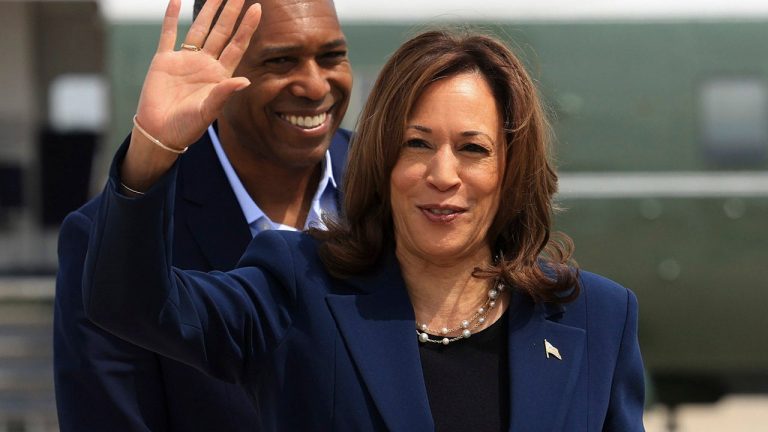
The question of President Biden’s mental acuity and the clamor for him to withdraw from the race have ignited a conversation about the 25th Amendment and Vice President Kamala Harris’s potential role in initiating the process.
The 25th Amendment permits the vice president and a majority of the Cabinet to deem a president unfit for office. Subsequently, the vice president assumes the role of acting president. Nevertheless, the particular section of the amendment pertaining to this procedure has never been put into effect.
Various Republicans have urged for the activation of the 25th Amendment.
Constitutional law expert Turley observed that in light of President Biden’s recent remarks, contesting the invocation of the 25th Amendment could result in a precarious standoff just prior to the Convention. Turley even evoked a quote from Grover Cleveland to illustrate the potential consequences of such a move.
However, analyst Smith elucidated that Vice President Harris cannot act unilaterally in this scenario. According to Smith, Section 4 of the Amendment stipulates that if the ‘Vice President and a majority of either the principal officers of the executive departments or such other body as Congress may by law provide’ submit written notice to the House and Senate affirming the President’s inability to fulfill his duties, the Vice President will serve as Acting President.
Nonetheless, if the President disputes this determination, he can issue written notice indicating his capability to resume his responsibilities, unless the group that deposed him disagrees within four days. Subsequently, Congress must convene within 48 hours to resolve the conflict within 21 days, necessitating a two-thirds majority in both houses to override the President’s assertion of fitness for office.
The overarching question remains whether there is sufficient support within the Cabinet for such a declaration. To embark on a removal process and fail to secure the necessary backing would not only depict Harris prematurely but also paint a picture of mutiny within the White House.
Ultimately, the debate around invoking the 25th Amendment underscores the complex interplay between constitutional procedures, political dynamics, and the personal stakes involved for all parties concerned. As the discourse intensifies, only time will reveal the course of action undertaken, the alliances formed, and the ramifications of each decision on the highest echelons of American governance.