Federal judge denies Trump’s request to get involved in “hush money” case.
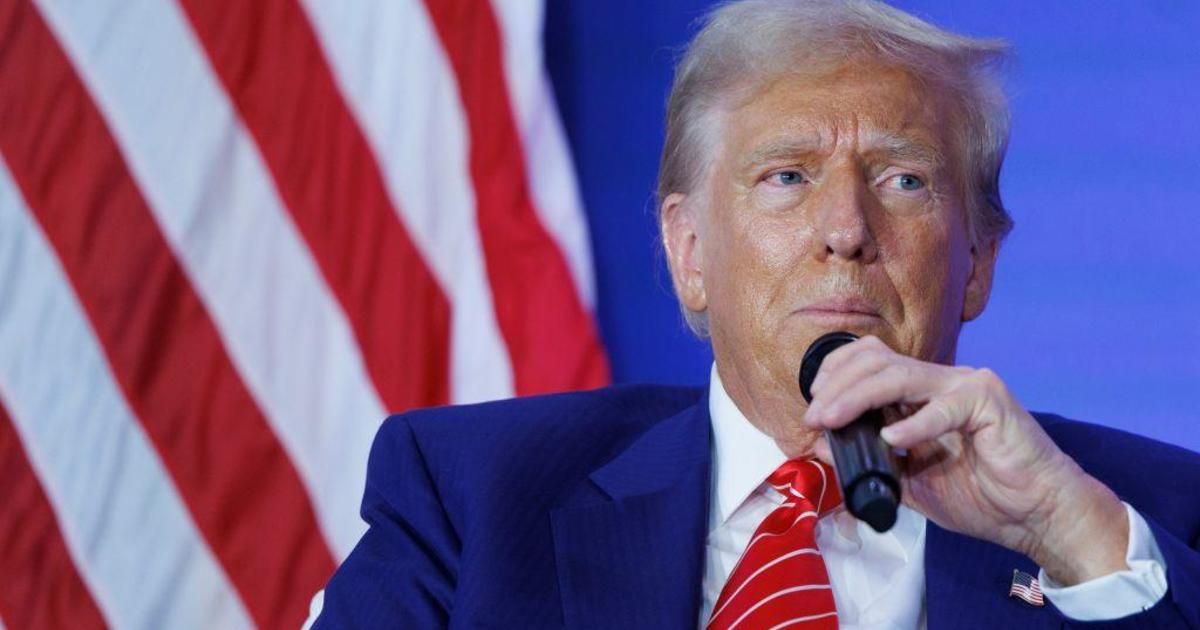
A federal judge has swiftly rejected former President Donald Trump’s request to intervene in his New York hush money criminal case, spurning his attempt at circumventing the state court where he was convicted and is facing a impending sentence. U.S. District Judge Alvin Hellerstein’s ruling on this matter came just hours after Trump’s legal team sought his intervention to move the case to federal court for a chance to have his conviction overturned following the Supreme Court’s ruling on presidential immunity.
Hellerstein’s ruling overturns Trump’s plan to shift the case to federal jurisdiction, emphasizing that Trump’s conviction for falsifying business records involves personal matters rather than official actions protected under executive immunity. In a concise four-page ruling, Hellerstein affirmed that the hush money payments in Trump’s case were deemed as private acts falling beyond executive authority.
Trump’s legal counsel first made a request for federal court intervention last week, but the paperwork was initially rejected due to lack of clearance from Judge Hellerstein. Subsequently, upon resubmitting the documents on Tuesday seeking the court’s permission to proceed, their request was swiftly denied by Hellerstein.
Prior to delving into Trump’s immunity arguments, Hellerstein promptly dismissed the defense’s claims of judicial unfair treatment on the state court level due to personal connections of the trial judge. He declined to address assertions of political bias or impropriety during Trump’s trial, citing jurisdictional limitations in such matters.
A spokesperson for Trump’s campaign suggested that they would pursue an appeal following Tuesday’s ruling, indicating a continued effort to transfer the case to federal court for what they view as a resolution that aligns with their stance. On the part of the Manhattan district attorney’s office that prosecuted Trump’s case, there was no immediate comment on the recent developments, but a prior objection had been raised regarding Trump’s attempt to stall post-trial decisions amidst his pursuit to involve the U.S. District Court in Manhattan.
Judge Merchan is anticipated to issue rulings on two significant defense appeals soon: one being Trump’s request to postpone his sentencing until after the November election, and the other concerning the motion to overturn his conviction following the Supreme Court ruling. Merchan has set a date of September 16th to decide on the conviction reversal motion and is expected to address sentencing delay in the upcoming days.
Trump’s felony conviction in May encompassed multiple charges related to falsifying business records to conceal a monetary payment to Stormy Daniels, a porn actress whose claims of an affair posed a threat to Trump’s 2016 presidential campaign. Trump maintains his innocence in this matter, asserting that the trial was marred by constitutional infringements and contends that the Supreme Court’s immunity ruling negates the verdict.
The offense of falsifying business records carries a potential sentence of up to four years in prison, probation, or a financial penalty. Trump’s legal team contends that the current sentencing schedule leaves inadequate time for deliberation should the immunity decision stand, likely impinging on the opportunity for an appeal.
Furthermore, the defense raised concerns about election interference, given that the sentencing falls close to the upcoming election, suggesting the possibility of Trump serving jail time concurrently with early voting. Prosecutors have deferred to Merchan regarding the sentencing timeline, signaling openness to a balanced schedule that addresses both the conviction appeal and sentencing without undue delay.
Despite Trump pressing for Merchan’s recusal from the case, the judge had rebuffed this request, denouncing the claims of partiality as lacking factual basis. Hellerstein reiterated that any grievances of bias or procedural errors are to be pursued through state appellate routes or potential review by the U.S. Supreme Court.
Trump’s legal team has insisted that trial prosecutors hastened proceedings prior to the Presidential immunity ruling and erred in presenting evidence deemed impermissible under the ruling. This includes accounts from former White House personnel on Trump’s reactions and tweets during his tenure, which the defense views as improper evidentiary material in the case.
Ultimately, the legal entanglements surrounding Trump’s hush money case persist as judicial decisions and strategical postures unfold, hinting at a protracted legal battle ahead for the former President as he seeks to evade his impending sentence and clear his name of criminal charges.