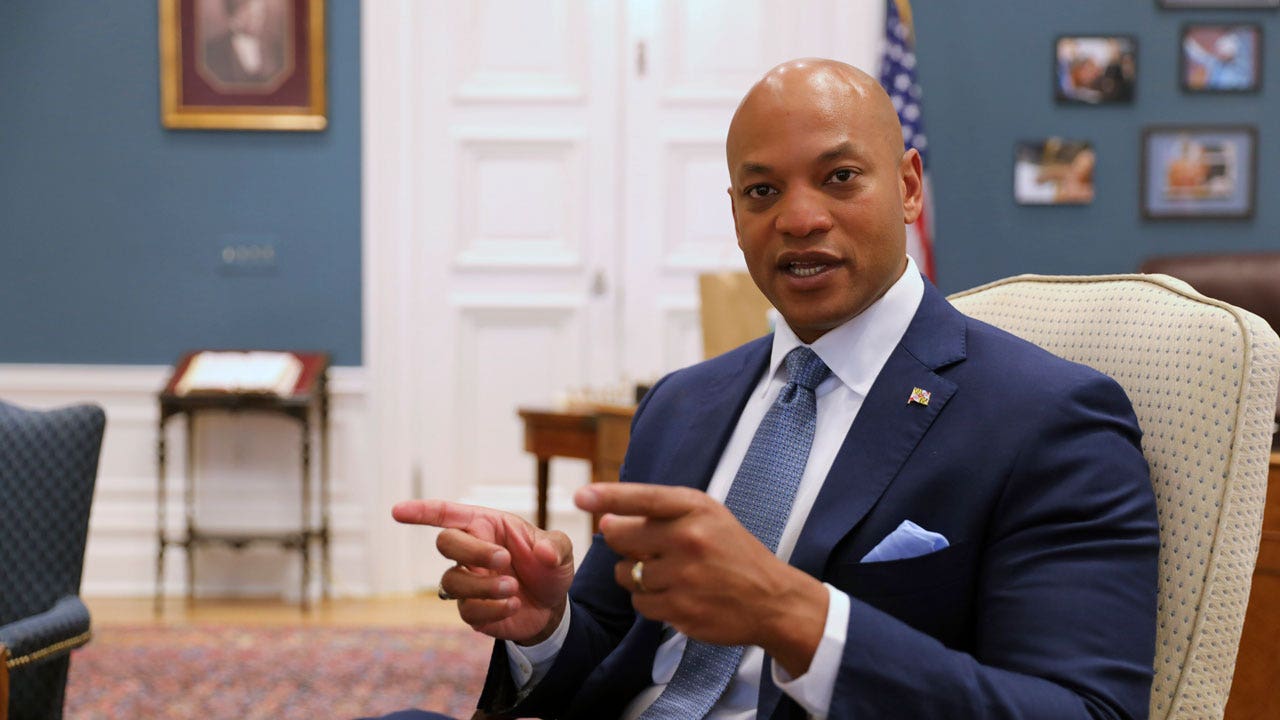
Governor of Maryland pardons 175,000 marijuana convictions.
Democratic Maryland Gov. Wes Moore is making history by pardoning over 175,000 marijuana convictions, marking one of the most significant reversals of drug policy in the nation. Moore’s bold move aims to address the disparities and injustices prevalent in drug-related convictions, particularly affecting communities of color.
The governor’s plan specifically targets around 100,000 individuals who were convicted of low-level marijuana possession charges. With the increasing acceptance of marijuana for both medicinal and recreational purposes across the country, Moore’s decision reflects a progressive shift towards a more inclusive and equitable society.
Expressing his enthusiasm, Moore stated, “I’m ecstatic that we have a real opportunity with what I’m signing to right a lot of historical wrongs. If you want to be able to create inclusive economic growth, it means you have to start removing these barriers that continue to disproportionately sit on communities of color.”
Moore strategically timed the wave of pardons to coincide with the Juneteenth holiday, a significant day commemorating the emancipation of enslaved African Americans in the United States. This gesture adds depth and symbolism to the pardons, emphasizing the importance of recognizing and rectifying past injustices.
Since fully legalizing the cannabis trade within Maryland in 2023, the state has been at the forefront of progressive drug policies. However, neighboring areas like Washington, D.C. and Virginia still maintain certain restrictions on marijuana use and possession, highlighting Maryland’s progressive stance on drug legalization and criminal justice reform.
Maryland Attorney General Anthony Brown, a fellow Democrat, commended Moore’s decision, emphasizing the positive impact on Black and Brown communities. “While the pardons will extend to anyone and everyone with a misdemeanor conviction for the possession of marijuana or paraphernalia, this unequivocally, without any doubt or reservation, disproportionately impacts — in a good way — Black and Brown Marylanders,” Brown stated.
He went on to address the disproportionate rates at which Black and Brown individuals are arrested and convicted for marijuana-related offenses, despite similar usage rates among different demographic groups. Brown’s support underscores the necessity of addressing systemic disparities and rectifying the injustices faced by marginalized communities.
It is important to note that the pardons issued by Moore’s office do not involve the release of any individuals currently incarcerated, as clarified by Maryland officials. This distinction ensures that the pardons serve as a symbolic and tangible gesture towards justice and equity without impacting ongoing incarceration status.
In conclusion, Gov. Wes Moore’s pardon of over 175,000 marijuana convictions signifies a landmark moment in the fight for criminal justice reform and equity. By acknowledging past wrongs, addressing systemic injustices, and prioritizing the well-being of marginalized communities, Moore sets a powerful precedent for progressive drug policies and inclusive governance.