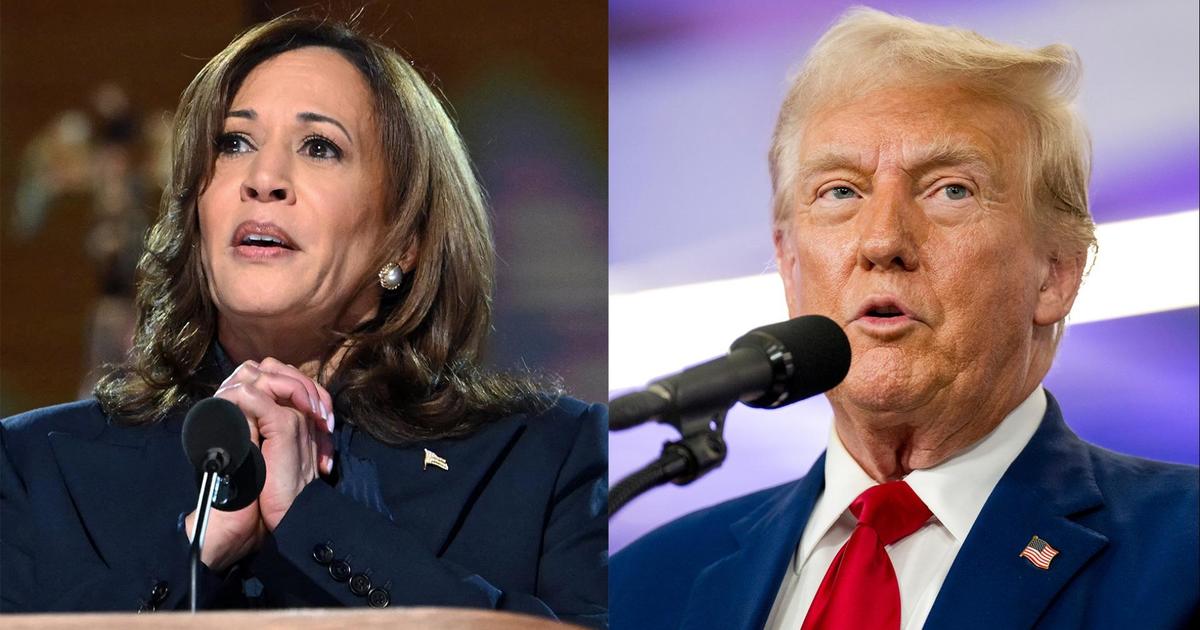
Harris and Trump have different tax plans – see how your paycheck would be affected.
Presidential candidates often use new tax proposals as a key part of their campaign promises, aiming to alleviate the financial burden on taxpayers. This year, the tax plans put forth by competitors Kamala Harris and Donald Trump could have varying impacts on voters’ wallets.
Former President Donald Trump is looking to extend the tax cuts implemented through the Tax Cuts and Jobs Act, his landmark legislation from 2017 that lowered taxes for most Americans, with the top earners receiving the most significant benefits. Additionally, Trump proposes eliminating taxes on tips and Social Security income while also reducing the corporate tax rate.
Vice President Kamala Harris, on the other hand, has put forward plans to introduce more generous tax benefits for families and to increase the corporate tax rate to help offset spending from larger tax credits.
These two proposals reflect contrasting perspectives on how to best support American families and stimulate economic growth. Trump’s plan aims to provide tax cuts across all income groups, but the primary beneficiaries would be higher-income individuals. In contrast, Harris’ proposal would offer the most significant benefits to low-income Americans while increasing taxes for higher-earning households.
“While Trump’s plan seems to benefit everyone, the top 1% and 0.1% will receive much more substantial giveaways, whereas Harris’ plan will have a negative impact on these groups,” stated Kent Smetters, faculty director of the Penn Wharton Budget Model, a division within the University of Pennsylvania’s Wharton School specializing in analyzing the budget effects of governmental policies.
Both plans come with hefty price tags, but Trump’s tax cuts for both individuals and corporations are projected to be more expensive, according to Penn Wharton’s estimates. They anticipate that Trump’s proposal would increase the federal deficit by $5.8 trillion over the next decade, compared to $2 trillion for Harris’ plan.
Republican National Committee spokesperson Anna Kelly asserts that Trump’s tax policies will reduce deficits and lower long-term debt levels by cutting federal spending, promoting energy production, and implementing deregulation.
Meanwhile, the Harris-Walz campaign uses the Penn Wharton Budget Model’s analysis to argue that Trump’s agenda would lead to a “deficit bomb.” “Donald Trump’s campaign may try to silence him on the debate stage, but they can’t hide the consequences of his disastrous agenda, which will balloon the deficit, increase costs for the middle class by almost $4,000 annually, and push the economy into a recession by the middle of next year,” stated Harris-Walz spokesperson James Singer.
Although Harris’ tax proposal is anticipated to have a smaller impact on the nation’s deficit compared to Trump’s, Smetters emphasized that both plans would contribute to the country’s growing fiscal burden.
The Congressional Budget Office projected the federal budget deficit in fiscal year 2024 to reach $1.9 trillion in June, marking a 27% increase from its prior forecast in February, partly due to additional funding provided to countries like Ukraine and Israel.
For many taxpayers, deficits might seem like abstract concepts, but they essentially indicate that the country is spending more than what it’s collecting in tax revenue, leading to increased national debt to cover the deficit. This results in higher interest payments to service the mounting debt, a situation that many economists warn can have adverse effects.
“We’re on a dangerous trajectory right now,” Smetters cautioned. He continued by noting that the escalating U.S. debt could eventually create doubts in capital markets about the federal government’s capacity to either raise taxes or cut spending adequately to avoid defaulting on its debt.
“Neither candidate is seriously addressing the underlying issue—the house is on fire, and the candidates are arguing over the furniture. They are only exacerbating the situation and harming the economy,” Smetters added.
Overall, the distinct tax proposals presented by Harris and Trump highlight the significant implications they could have on taxpayers, the national deficit, and the overall economy. As voters evaluate these plans, it’s essential to consider the potential short-term benefits versus long-term consequences of each candidate’s tax policies.