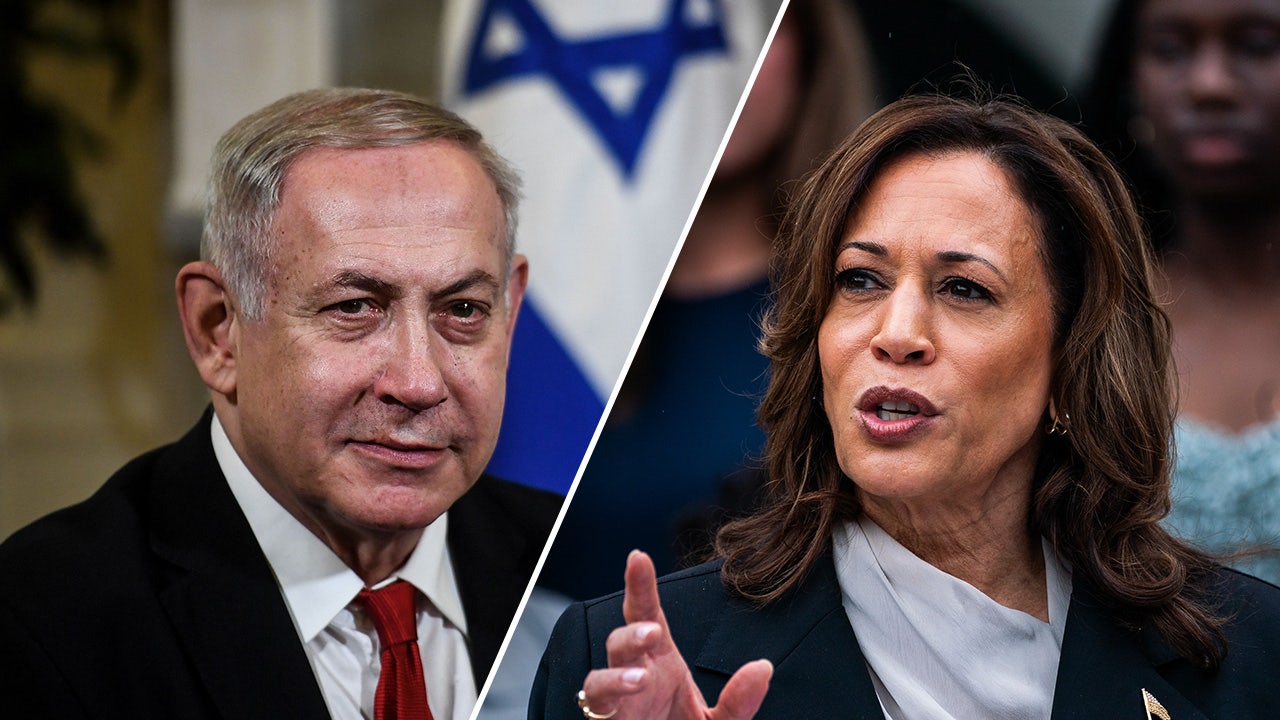
Harris’ views on Israel scrutinized during Netanyahu visit.
Vice President Kamala Harris has a complex history with Israel that has come under scrutiny as she assumes the leadership of the Democratic ticket at the same time as Israeli Prime Minister Benjamin Netanyahu visits Washington. Harris has a longstanding relationship with the Jewish community and has been a vocal supporter of Israel since joining the Senate in 2017. However, cracks in her support for the country have begun to show, particularly in light of the recent conflicts in Gaza.
Shortly after taking office, Harris and her husband Doug Emhoff, who is Jewish, traveled to Israel, demonstrating the importance of the country to Harris. She has also made public speeches advocating for Israel’s rights and condemning organizations that delegitimize the nation.
Despite her history of support for Israel, concerns have been raised about Harris’ shifting stance in the face of recent events. During the conflict in Gaza, Harris was the first administration official to call for an immediate ceasefire and warn of consequences for a planned invasion. She has also met with Benny Gantz, a member of Israel’s wartime cabinet and a rival of Netanyahu, expressing concerns about the humanitarian conditions in Gaza.
Harris’ sympathetic comments towards anti-Israel protests and her decision to skip Netanyahu’s joint address to Congress have raised further questions about her stance on the issue. Critics argue that she is less supportive of Israel than President Biden, with some suggesting that she aligns more with the progressive wing of the Democratic party that sympathizes with the Palestinian cause.
Netanyahu’s visit and Harris’ ascent to the Democratic nominee for president have brought her views on Israel into sharper focus. While Harris is expected to reiterate Israel’s right to defend itself and condemn attacks on Israeli civilians, her absence from Netanyahu’s address has drawn criticism from both Israeli officials and Republican lawmakers.
Ultimately, Harris’ evolving position on Israel reflects the complex and contentious nature of the Israeli-Palestinian conflict, as well as the challenges of balancing support for Israel with addressing humanitarian concerns in Gaza. As she continues to navigate these issues, Harris will face scrutiny and debate over her approach to one of the most enduring and divisive conflicts in international politics.