Hope Hicks says Cohen called himself ‘Mr. Fix It’ because he actually ‘broke it’
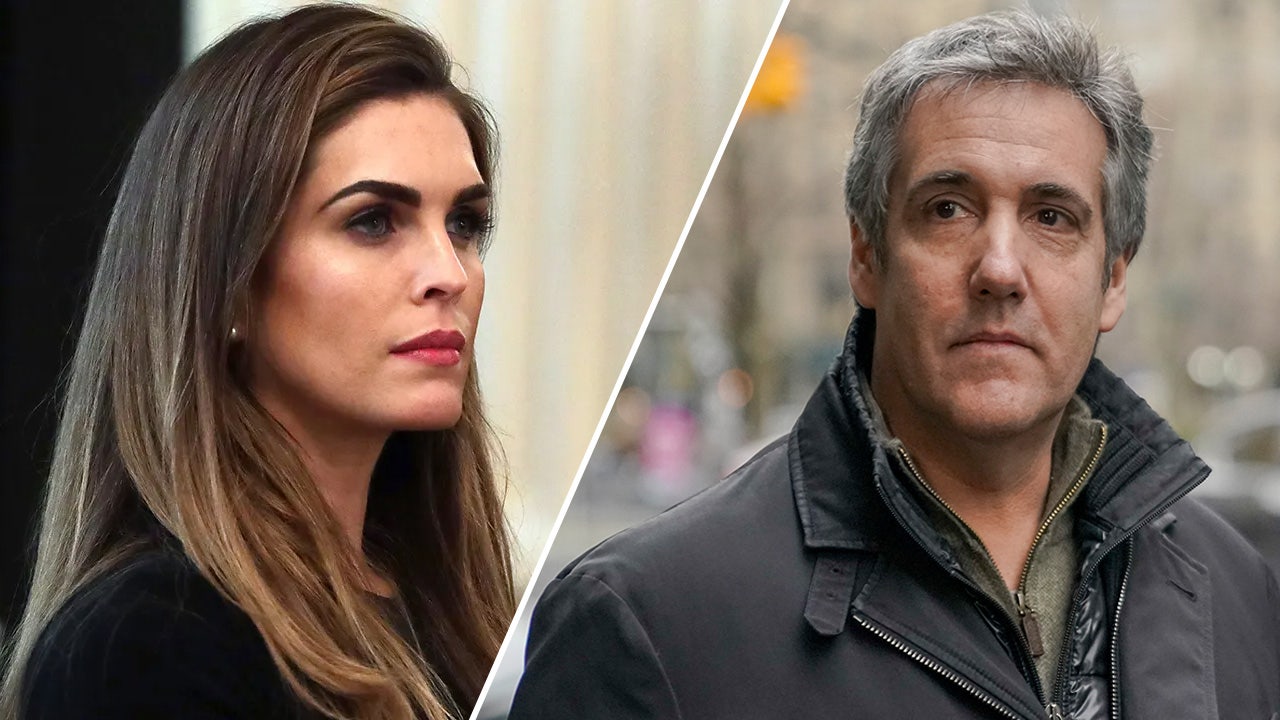
In a pivotal moment during the ongoing criminal trial in the case N.Y. v. Trump, the former Trump campaign and White House communications director, Hope Hicks, provided testimony that shed light on the actions of Michael Cohen, Trump’s former lawyer, and his role in the campaign.
During her time on the witness stand, Hicks revealed that Cohen often frustrated campaign staff with his actions, which she described as unhelpful. She even went so far as to quip that Cohen liked to refer to himself as “Mr. Fix It,” but in reality, he was the one who caused the problems in the first place.
Cohen, a central figure in the trial, is expected to be a key witness for Manhattan District Attorney Bragg’s case against the former president. The charges against Trump revolve around allegations that he falsified business records connected to a payment made to adult film actress Stormy Daniels to keep her claims of an affair with Trump quiet.
It was Cohen who arranged and facilitated the $130,000 payment to Daniels, which was later reimbursed by Trump under the guise of legal expenses. The prosecution contends that this was, in fact, hush money to silence Daniels’s allegations against Trump.
Trump has vehemently denied the affair and maintains his innocence in the face of the 34 criminal charges brought against him. His defense team has been vigorously contesting the prosecution’s case, including their attempts to introduce the infamous “Access Hollywood” tape as evidence.
Speaking of the tape, which captured Trump making crude remarks about women in 2005, Michael Colangelo, a former Justice Department official now working for the prosecution, questioned Hicks about Trump’s reaction to its release just before the 2016 election. The prosecution has argued that the tape is crucial in establishing Trump’s intent and motive around the Daniels payment.
Despite the prosecution’s efforts, the judge overseeing the trial, Juan Merchan, has repeatedly ruled that the tape is inadmissible as evidence due to its prejudicial nature. However, the prosecution has been allowed to reference the transcript of the tape in their arguments.
Hope Hicks, who has worked closely with Trump since his campaign days, testified about Trump’s reaction to the tape’s release. Contrary to the prosecution’s narrative, Hicks stated that Trump’s primary concern was the impact on his wife, Melania Trump.
“He was worried about how this would be viewed at home,” Hicks revealed. “Mr. Trump really values Mrs. Trump’s opinion. She doesn’t weigh in all the time, but when she does, it’s valuable.”
According to Hicks, Trump specifically requested that any mention of the leaked tape be kept away from the Trump residence, showcasing his concern for his family’s well-being and reputation. When questioned about Trump’s intentions by defense attorney Emil Bove, Hicks emphasized Trump’s desire to protect his family from any harm or embarrassment during the campaign.
As the trial continues to unfold, the testimonies provided by key witnesses like Hicks shed light on the inner workings of the Trump campaign and the subsequent legal issues that have emerged. With Cohen’s testimony looming, the trial is set to delve deeper into the controversial events surrounding the Daniels payment and Trump’s alleged involvement.