How the DNC will nominate Kamala Harris virtually this week.
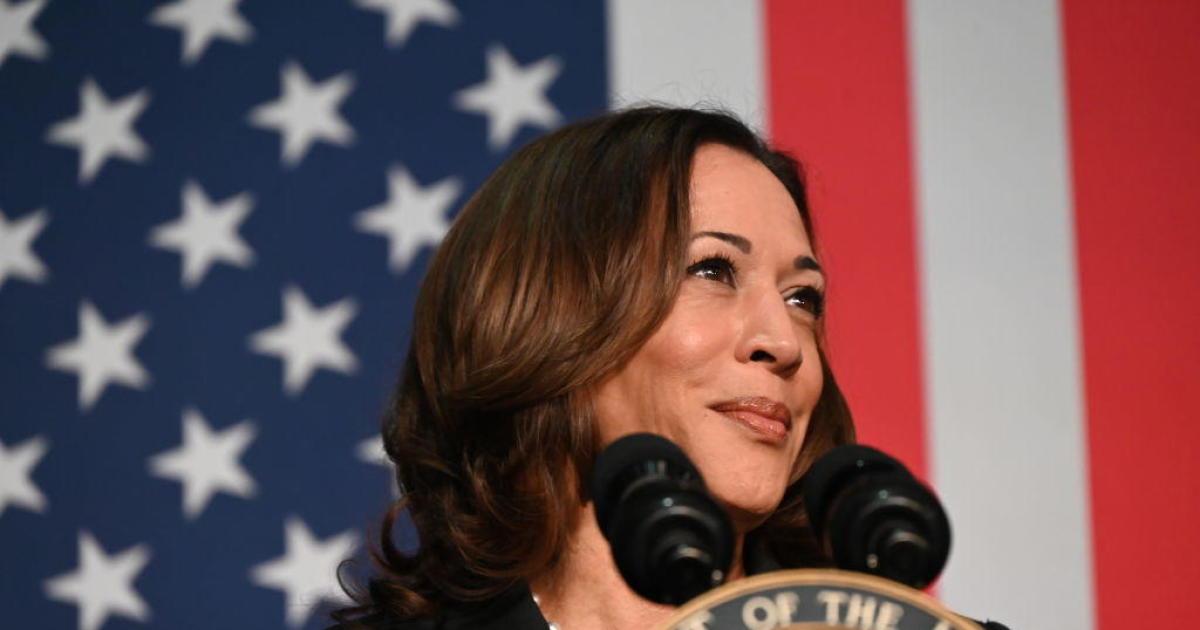
As the Democratic Party gears up for their upcoming virtual vote to select their new nominee this Thursday, the spotlight is firmly on Vice President Kamala Harris, who is expected to run unopposed. Let’s delve deeper into what this means and how the nomination process will unfold.
Who exactly gets to cast their vote in this crucial decision-making process? The nearly 4,000 pledged delegates allocated during the Democratic primary process will have the honor of voting on the nomination.
With the majority of the party’s delegates initially pledged to President Biden before he endorsed Harris, the question arises – do Biden’s delegates automatically transition to Harris? While these delegates were not automatically assigned to Harris, the overwhelming majority of them expressed their support for her within 48 hours of her campaign launch.
Is there anyone challenging Kamala Harris for the Democratic nomination? Under DNC rules, Harris’ presidential campaign or any potential challengers would need to file paperwork and obtain digital signatures from at least 300 delegates by a specified deadline. Despite this requirement, it appears unlikely that a challenger will emerge, with Harris solidifying her position as the presumptive nominee.
As we delve into how the DNC’s virtual roll call will operate, it becomes evident that if Harris stands unopposed, the party will conduct a virtual roll call vote shortly after, allowing delegates to vote securely via an online platform. Each voting delegate will receive personalized forms to cast their vote, ensuring an accurate tallying process by the DNC.
However, in the event of a qualified challenger, the roll call vote may be delayed to allow candidates to make their case to delegates. Throughout this voting process, both pledged delegates and superdelegates will play a pivotal role in determining the Democratic nominee.
Another pressing question revolves around the nomination of Harris’s running mate. While the DNC has affirmed the possibility of nominating both Harris and her running mate simultaneously, the vice presidential candidate need not be nominated alongside the presidential nominee. Harris is expected to announce her running mate by a specific deadline, ensuring compliance with Ohio’s ballot requirements.
As we explore the rationale behind the DNC’s early virtual roll call vote, we find that the initiative stems from Ohio’s ballot submission deadline and the potential legal risks associated with delaying the process. By opting for a virtual platform, the DNC aims to mitigate uncertainties surrounding candidate nominations and uphold the integrity of the electoral process.
As the Democratic Party prepares for this pivotal moment in selecting their nominee, the essence of unity and democratic principles shines through the seamless orchestration of this virtual voting procedure. With Vice President Kamala Harris poised to clinch the party’s nomination, all eyes are on the forthcoming virtual roll call that will shape the trajectory of the Democratic campaign.