How Trump and Vance’s partnership affects McConnell’s efforts for Ukraine aid
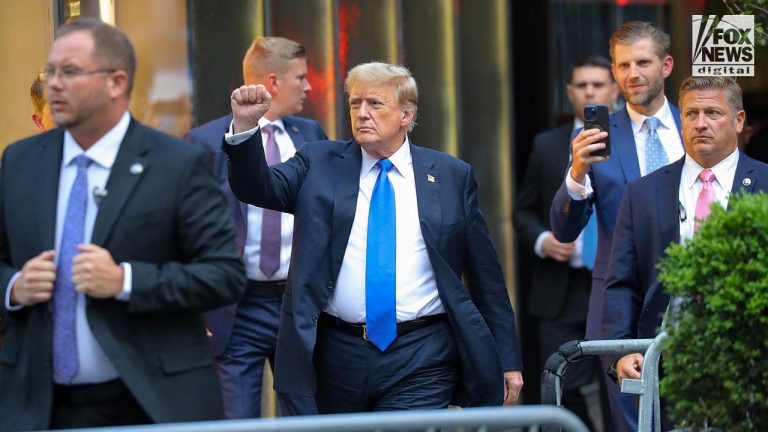
Former President Trump has made a bold move by choosing Sen. JD Vance, R-Ohio, as his running mate for the upcoming November election. This decision could potentially create obstacles for Senate Minority Leader Mitch McConnell in his efforts to garner support for Ukraine within the Republican Party.
Vance, the Ohio senator, has been a vocal critic of various foreign aid packages, including those providing assistance to Ukraine in its ongoing conflict with Russia. He has raised concerns about the lack of clear goals in Ukraine and the insufficient oversight of aid distribution. Vance even introduced legislation to improve the monitoring of aid sent to Ukraine, emphasizing the need for greater accountability.
In a statement, Vance expressed his frustration with the lack of oversight regarding military aid sent to Ukraine, highlighting the importance of maintaining high standards in tracking resources sent overseas. He argued that failure to meet these standards should result in a loss of authority to send weapons to foreign countries.
During a recent vote, Vance opposed a $95 billion foreign aid package that included funding for Ukraine, Israel, and the Indo-Pacific region. Despite his stance against certain aid packages, Vance’s selection as Trump’s running mate underscores his growing influence within the Republican Party.
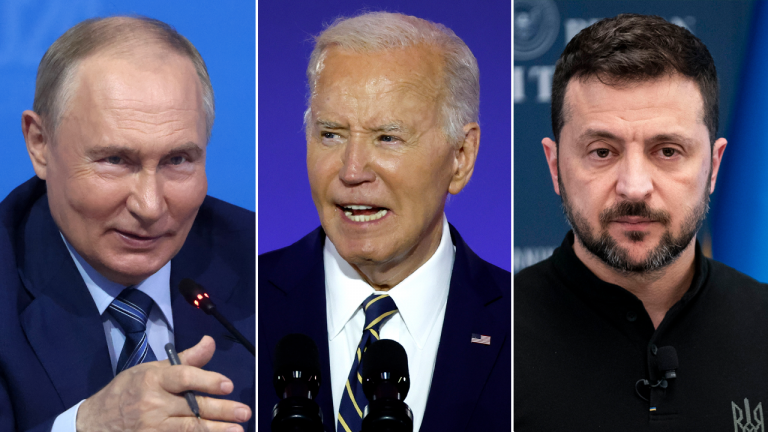
Meanwhile, McConnell has consistently emphasized his support for Ukraine and opposition to Russian aggression. He has declared his intention to prioritize efforts to push back against Russia in Ukraine, citing the conflict as a global concern for democracies worldwide.
McConnell’s dedication to supporting Ukraine has long been evident, echoing the sentiments of former President Ronald Reagan who advocated for standing up to oppressive regimes, particularly against Russian interference.
While McConnell and Vance may differ in their foreign policy approaches, McConnell commended Trump for his choice of Vance as the vice presidential nominee, recognizing Vance’s commitment to the president’s policies.
Trump himself has made bold claims about his ability to swiftly resolve the conflict between Ukraine and Russia if elected, asserting that he could achieve a resolution within 24 hours. His confident rhetoric on foreign policy issues has been a defining characteristic of his presidential campaign.
As the November election approaches, the dynamic between McConnell, Vance, and Trump will undoubtedly shape the discourse on foreign policy and national security within the Republican Party. The tensions between advocating for Ukraine’s stability and addressing concerns about aid oversight and accountability will be central to the debate.
Ultimately, the alliance between Trump and Vance reflects a strategic decision with significant implications for the Republican Party’s stance on foreign policy and international relations. The upcoming election will test the party’s cohesion and alignment on critical issues such as support for Ukraine and opposition to Russian aggression.