How would Harris’ “Medicare at Home” plan work?
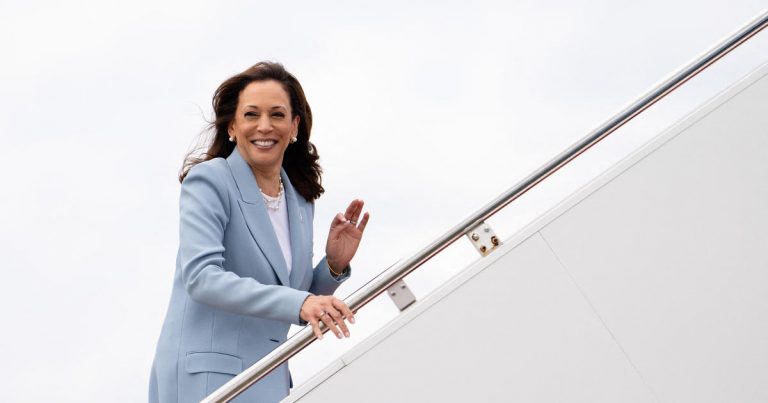
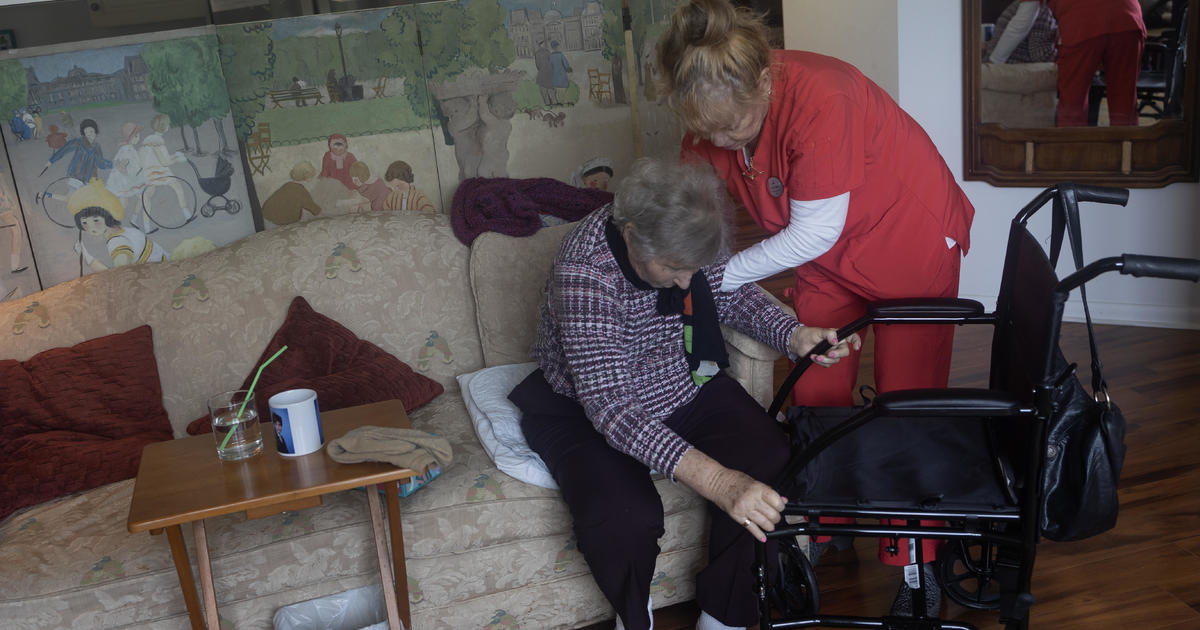
Vice President Kamala Harris has proposed a groundbreaking plan to expand Medicare coverage to include the costs of in-home aides for seniors, targeting the “sandwich generation” of adults who are responsible for caring for both their aging parents and their own children. This innovative plan, known as “Medicare at Home,” aims to alleviate the financial burden on families by covering home care services and nurses through Medicare, thus offering an alternative to costly nursing home care.
In a recent interview on “The View,” Harris shared her personal experience of caring for her mother during her battle with cancer, highlighting the importance of providing support for caregivers in similar situations. The proposal emphasizes that it would be an extension of Medicare, distinct from Medicaid, allowing for coexistence with private insurance plans that may have different eligibility requirements.
Data from the census reveals that approximately one-quarter of U.S. adults belong to the sandwich generation, underscoring the significant impact this demographic has on the outcome of elections. Rich Fiesta, the executive director of the Alliance for Retired Americans, emphasized the importance of proposals that address the financial security and healthcare needs of older Americans, especially caregivers.
Recent polls conducted by AARP indicate that a majority of women over 50 who provide care for older family members are facing financial struggles, shedding light on the urgent need for comprehensive support systems. While Medicaid currently covers the costs of home care for the poorest seniors, many older adults must rely on personal savings or family assistance to address their daily needs.
Democrats have criticized former President Donald Trump for his alleged support of Medicare budget cuts during his term, while Trump himself has denied these claims. Despite initial statements about entitlement cuts, Trump later assured no reductions to Social Security or Medicare, a stance reflected in the Republican Party platform.
The estimated cost of implementing “Medicare at Home” could begin at $40 billion annually, according to a Brookings Institution study cited by the campaign. However, the authors caution that the ultimate cost could vary significantly, depending on congressional decisions and potential savings generated by the program.
Harris aims to fund the expansion primarily through an expansion of the Medicare Drug Price Negotiation Program and additional reforms targeting prescription drug prices. By enhancing drug negotiation policies and introducing more stringent price caps, substantial savings could be achieved and channeled into supporting the new Medicare coverage for home care.
The proposed coverage under “Medicare at Home” would include Medicare enrollees unable to perform daily activities independently, as determined by healthcare professionals. Individuals with serious cognitive impairment would also be eligible for coverage, with higher-income seniors expected to contribute more to the costs.
The specifics of the coverage, including the types of home care providers recognized under Medicare and the potential inclusion of family caregivers, are key details that could influence the feasibility and uptake of the program. Advocates like Kevin Prindiville emphasize the importance of compensating family caregivers to make home care more financially viable for families.
The implementation of this groundbreaking proposal has the potential to transform care for seniors in America, offering enhanced support for caregivers and promoting aging in place. As the debate on healthcare and social welfare policies continues, Harris’ plan represents a significant step towards addressing the evolving needs of an aging population.