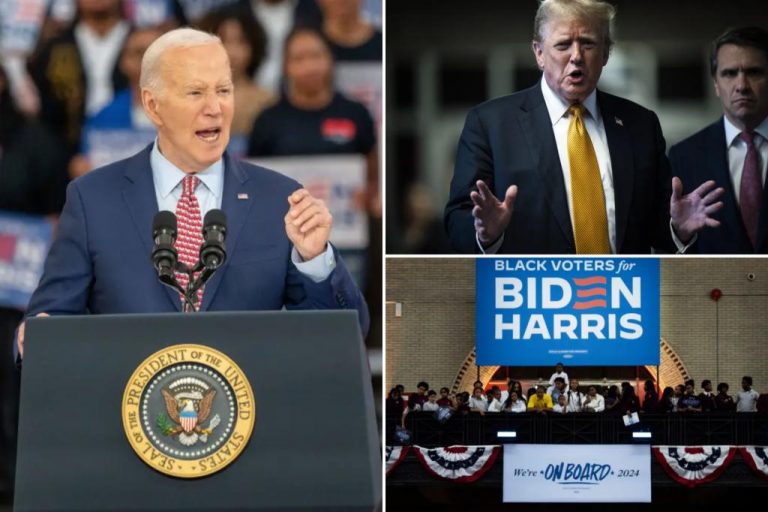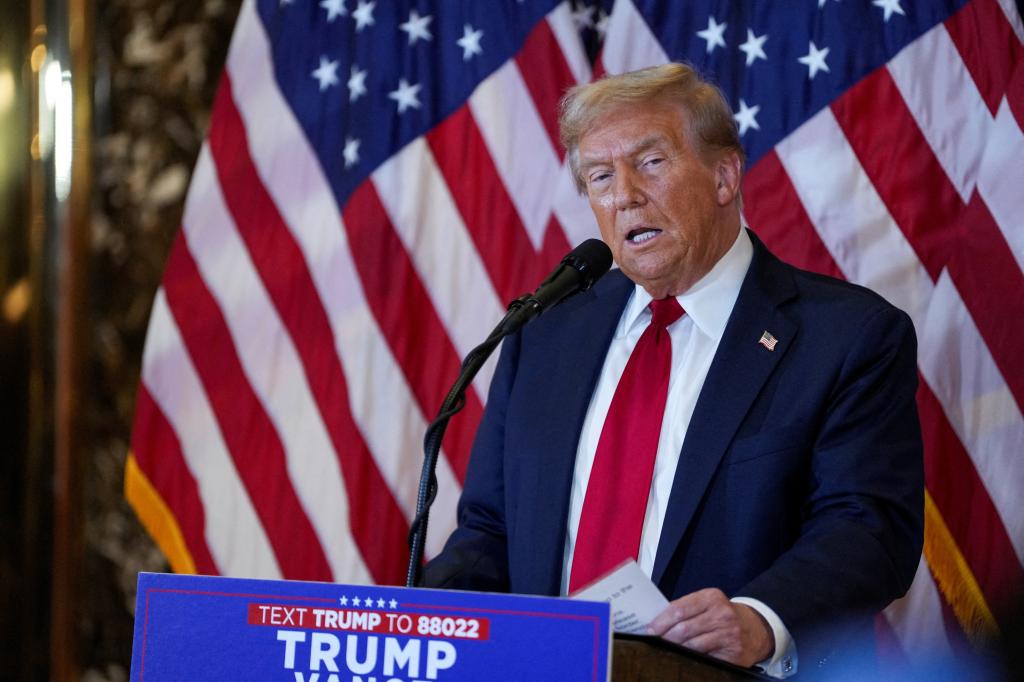
If Trump is re-elected, he may cut back on government agencies focused on social justice.
As the political landscape heats up with the upcoming presidential elections, one of the key issues that has taken center stage is the size and scope of the government’s bureaucracy. With Republican nominee and former President Donald Trump throwing his hat in the ring once again, there is a growing concern that if he were to be re-elected, he would take an ax to what many view as the vast ‘woke’ bureaucracy that has permeated government agencies.
Trump’s platform has always been centered around the idea of reducing the size of government and cutting back on what he sees as unnecessary regulations and red tape. During his previous tenure as president, he made significant strides in rolling back some of the regulations put in place by his predecessors, arguing that they were hindering economic growth and stifling innovation.
One of the primary targets of Trump’s ire has been the concept of ‘wokeness’ that has seeped into various government agencies over the years. He often accuses these agencies of being overrun by left-leaning bureaucrats who push an agenda that is out of touch with the American people. If he were to return to office, many fear that he would make it a priority to root out these elements and replace them with officials who align more closely with his own views.
However, it’s worth noting that Trump’s efforts to slim down the bureaucracy during his first term were met with mixed results. While he was successful in some areas, other initiatives faced significant pushback from Congress, the courts, and even members of his own administration. It remains to be seen whether he would be able to make more headway in a potential second term.
Despite the uncertain outcome, there is no denying that the prospect of a second Trump administration has put many government employees on edge. Those who have embraced the ‘woke’ ideology are understandably concerned about their future job security, while others who have been critical of Trump’s approach see a potential return to power as a threat to their livelihoods.
At the same time, there are those who see Trump’s anti-bureaucracy stance as a breath of fresh air. They argue that the government has grown too bloated and inefficient over the years, and that a more streamlined approach is needed to make it more responsive to the needs of the American people. For these individuals, Trump represents a chance to shake up the status quo and bring about much-needed change.
Ultimately, the future of the government’s bureaucracy will likely hinge on the outcome of the upcoming election. If Trump is re-elected, we can expect to see a renewed focus on cutting back the size of the government and reining in what he sees as excessive government overreach. If a new administration takes power, it’s likely that we will see a different approach that seeks to strike a balance between efficiency and the protection of key government functions.
Regardless of the outcome, it’s clear that the size and scope of the government’s bureaucracy will continue to be a hotly debated topic in the years to come. As the nation grapples with how best to govern itself, the role of the bureaucracy will remain a key point of contention between those who advocate for a smaller, more agile government and those who believe in a more expansive role for the state in public life.