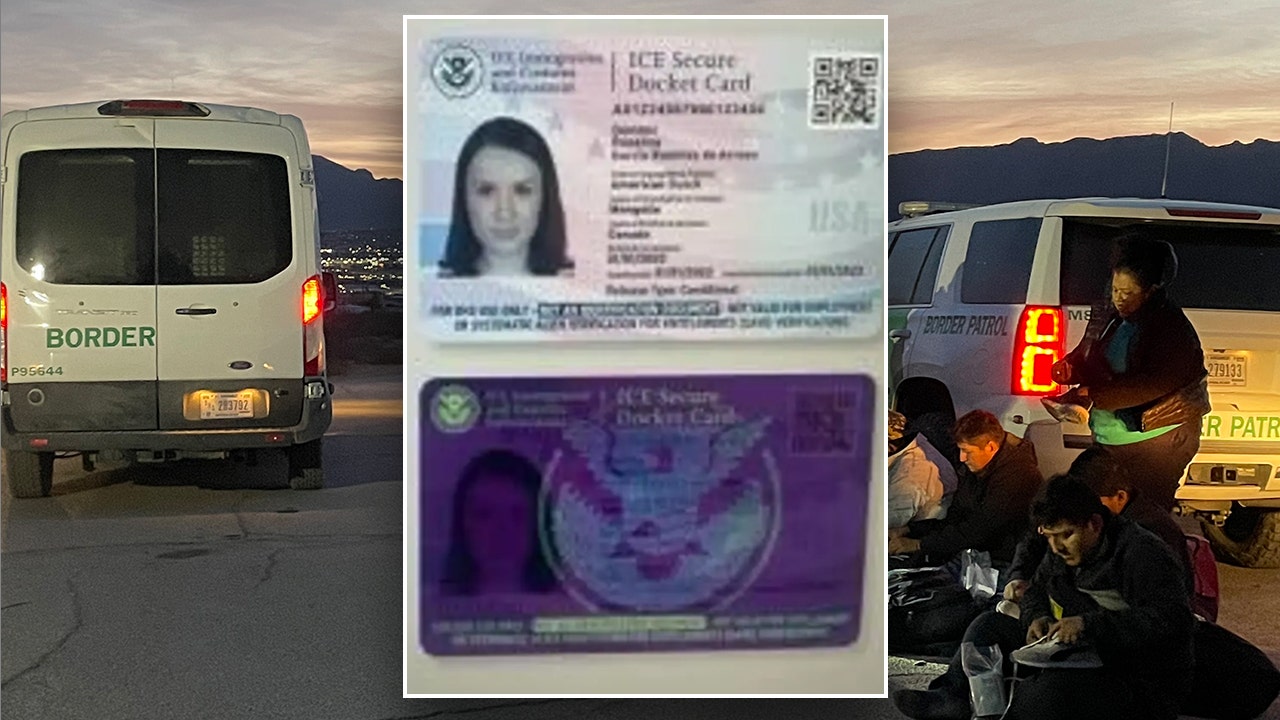
Illegal immigrants will start receiving taxpayer-funded IDs this summer.
Immigration and Customs Enforcement (ICE) is gearing up for a summer launch of a controversial ID card pilot program aimed at illegal immigrants who are being released within the United States. The agency hopes that this initiative will streamline the documentation process for removal proceedings, marking a significant step in modernizing their operations.
The ICE Secure Docket Card program made its first appearance in 2022, with leaked images of the card surfacing last year. Now, ICE is poised to implement a limited rollout of the program, with Houston and Atlanta being considered as potential locations.
According to a source familiar with the program, ICE intends to “modernize documentation provided to some noncitizens.” However, the agency clarified that the secure card will not serve as an official federal ID. Instead, it will be designated for use by DHS agencies and will only be issued after national security background checks have been conducted.
When illegal immigrants are apprehended at the border and subsequently released into the U.S., they typically receive various paper documents based on their status and circumstances. ICE has voiced concerns that these documents pose security risks, are prone to loss or damage, and impede operational efficiency. The implementation of the new program aims to address these challenges and facilitate identity verification through DHS systems.
Transitioning to a secure card system is expected to yield cost savings for the agency, optimize resource allocation, and enhance information accessibility for DHS officials. Additionally, the digital modernization will grant provisionally released noncitizens continuous access to vital immigration documents via the secure card and integrated portal.
Despite these anticipated benefits, the move is likely to encounter resistance from some Republicans and conservatives who harbor broader apprehensions about the normalization of illegal immigrant releases, likening it to a government-managed “invasion.”
Concerns have been raised about the prospect of illegal aliens acquiring additional documents, benefits, and rights through the issuance of identification cards, potentially leading to the establishment of new identities. This skepticism underscores a deeper skepticism about the authenticity and accountability of individuals who lack proper identification.
On the political front, Republicans have taken proactive steps to address these concerns. They recently pushed for the inclusion of a citizenship question in the census to prevent noncitizens from influencing congressional apportionment. Prior legislative efforts by Republicans have focused on tightening border security measures to curb the influx of illegal immigrants into the U.S., attributing the ongoing crisis to the policies of the Biden administration.
In response to these criticisms, the Biden administration has emphasized the gravity of a hemisphere-wide crisis that demands comprehensive reform and bolstered funding from Congress. While advocating for a bipartisan bill crafted by the Senate, the administration has encountered obstacles in garnering sufficient backing from conservative quarters.