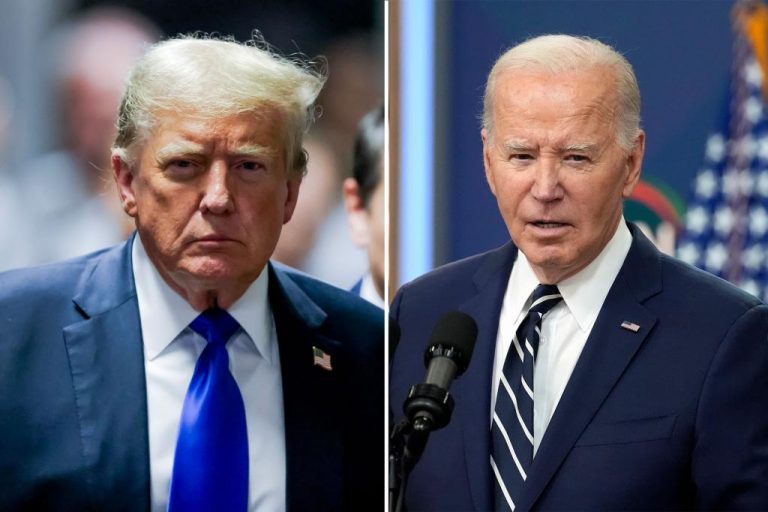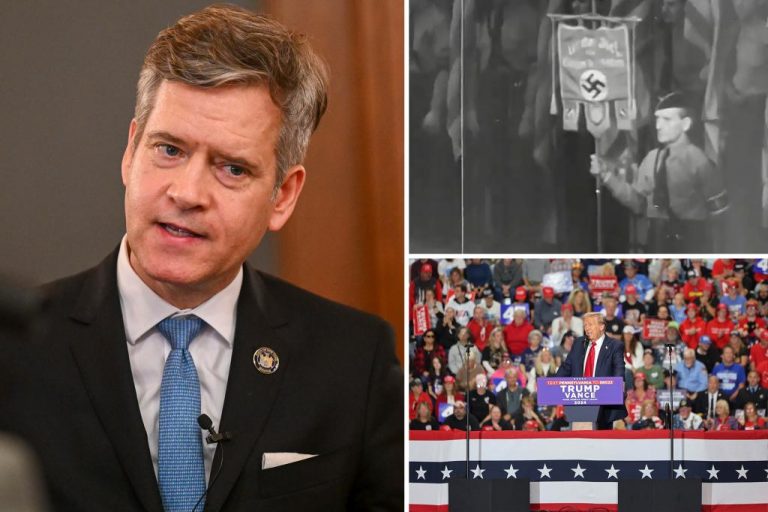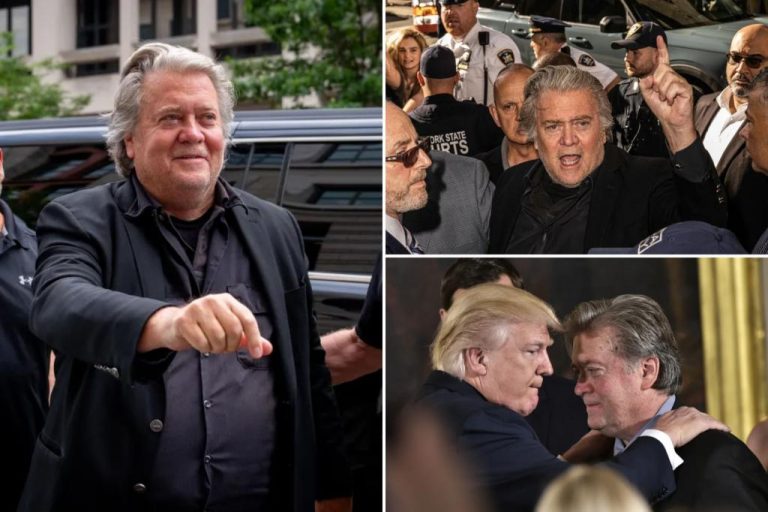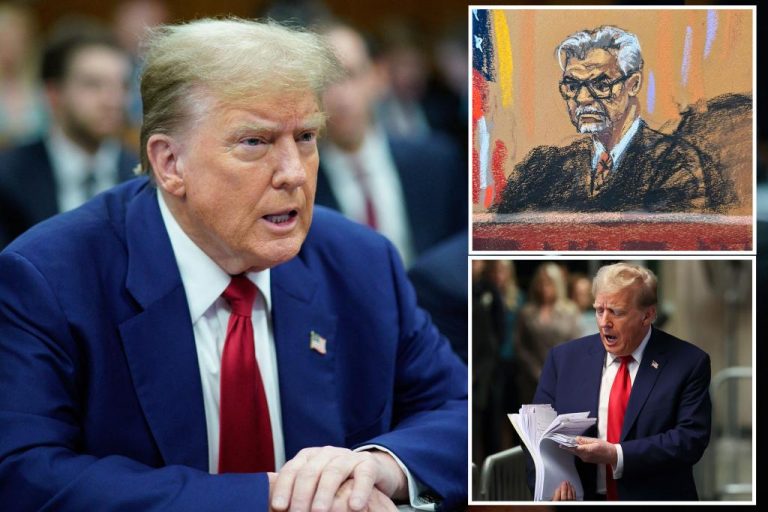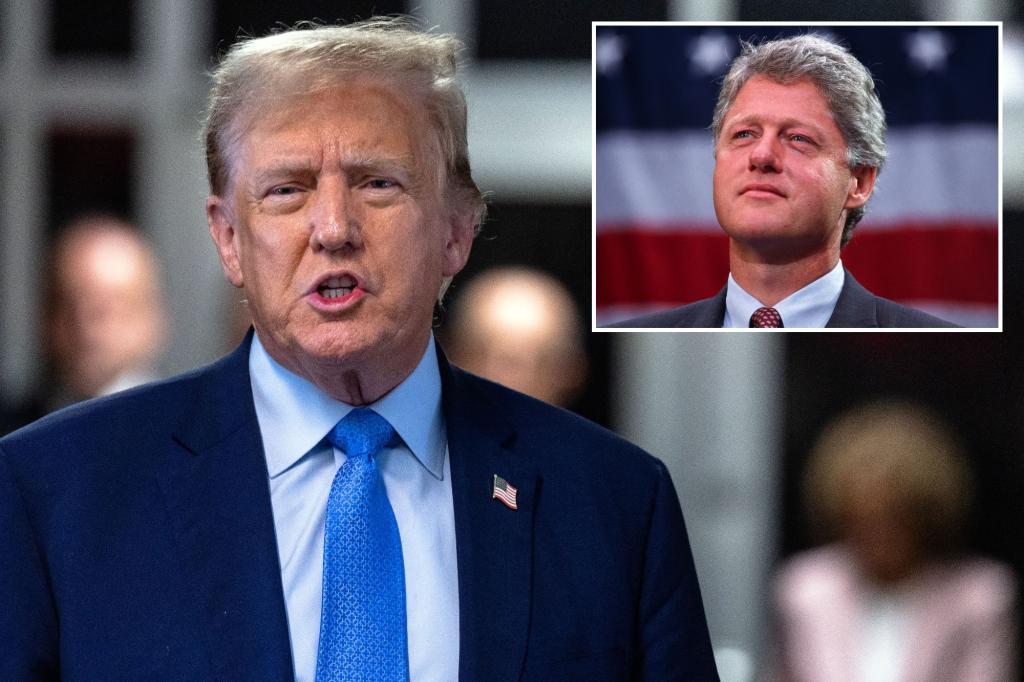
Is Bill Clinton also guilty of ‘election interference’ if Trump is?
Dear Boston Post News readers,
Today, we delve into the realm of politics and explore a controversial topic that has been circulating in the media – ‘election interference’. With recent discussions on whether former President Donald Trump is guilty of such interference, we cannot help but draw parallels to another prominent political figure, Bill Clinton. Let’s examine the similarities and differences between the two cases and unravel the complexities of this issue.
Firstly, it is essential to understand the concept of ‘election interference’. This term refers to any attempt by individuals or entities to manipulate the outcome of an election through various means, such as spreading misinformation, hacking into systems, or engaging in illegal campaign activities. The integrity of the electoral process is vital in upholding democracy, and any form of interference undermines the trust and legitimacy of the results.
Now, turning our attention to the accusations against Donald Trump. During the 2016 presidential election, there were allegations of Russian interference in favor of Trump’s campaign. Investigations were launched, and evidence emerged of Russian entities engaging in disinformation campaigns and hacking activities to influence the election outcome. While Trump himself denied any collusion with Russia, the specter of interference loomed over his presidency.
Fast forward to the present day, and Trump’s recent actions have reignited the debate on election interference. His claims of a stolen election in the 2020 presidential race, coupled with his efforts to overturn the results, have raised concerns about potential interference in the democratic process. Critics argue that Trump’s baseless allegations and attempts to pressure officials constitute a form of interference that erodes public trust in the electoral system.
However, in the midst of scrutinizing Trump’s actions, it is crucial to reflect on past events involving another former president – Bill Clinton. In the 1996 presidential campaign, Clinton faced allegations of illegal campaign finance practices, including soliciting foreign donations. The scandal, known as ‘Chinagate’, centered around Chinese attempts to influence the election through financial contributions and fundraising activities.
The parallels between Trump’s and Clinton’s situations are striking. Both cases involved foreign entities seeking to sway the outcome of a presidential election through illicit means. While the extent of their involvement and the impact on the results may differ, the underlying issue of election interference remains a common thread. The question of accountability and responsibility looms large in both scenarios.
As we navigate through these complex layers of political intrigue, one thing becomes clear – the need for transparency, integrity, and safeguarding the electoral process. Whether it is Trump’s allegations of voter fraud or Clinton’s connections to foreign donors, the specter of election interference casts a shadow over our democratic values.
In conclusion, the debate on ‘election interference’ transcends partisan lines and calls into question the very essence of democracy. As we grapple with the implications of past events and current controversies, it is imperative to uphold the principles of free and fair elections. Only by addressing the root causes of interference and holding accountable those who seek to undermine the electoral process can we ensure the integrity of our democracy for future generations.
Thank you for joining us on this exploration of a crucial issue that shapes the fabric of our political landscape. Stay informed, stay engaged, and uphold the values that form the foundation of our democratic society.
Sincerely,
The Boston Post News team