Is Newsom Still Considered for Harris’ VP Spot? Understanding the 12th Amendment
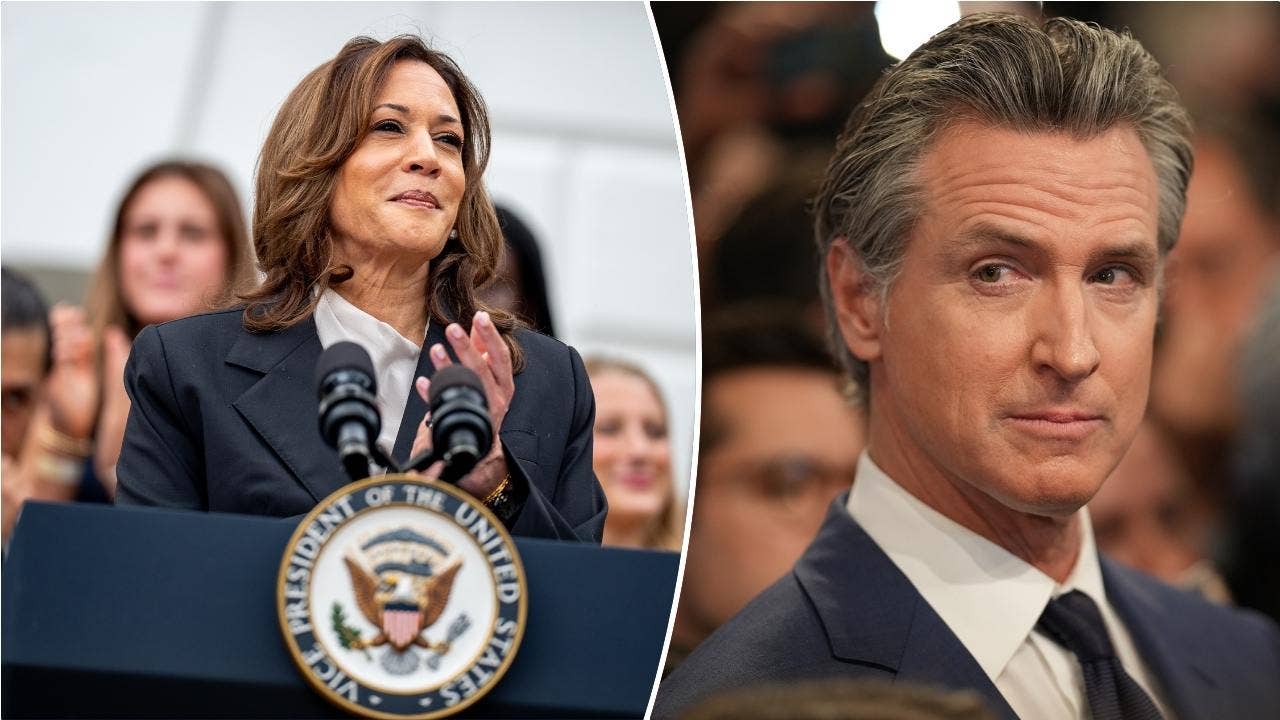
California Governor Gavin Newsom has long been a key figure in Democratic politics, but now the spotlight is on whether he could potentially be chosen as Vice President Kamala Harris’ running mate. After President Biden decided not to seek re-election, rumors began circulating about Newsom’s chances, especially given concerns about Biden’s performance and age.
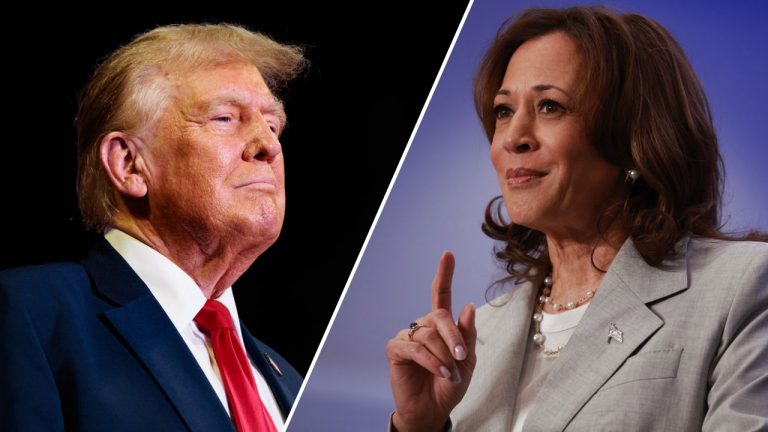
Despite denying any covert campaign efforts, many believe Newsom is once again in the running as Harris secures the Democratic nomination to face former President Trump. However, Newsom’s home state could pose a challenge due to the 12th Amendment, which prohibits electors from casting votes for both the president and vice president if they are from the same state.
The historical context of the 12th Amendment’s ratification in 1804 highlights the importance of separating votes for president and vice president. This provision was vital in the contested election of Thomas Jefferson and Aaron Burr, both from Virginia, which ultimately led to a House of Representatives decision.
Notably, the Bush-Cheney ticket in 2000 faced residency concerns in Texas, prompting Cheney to change his official residency to Wyoming to comply with the 12th Amendment. This maneuver ensured that electors from Texas could not influence both presidential and vice-presidential votes.
As Harris deliberates on her running mate choice before the Democratic National Convention, Newsom’s endorsement and commitment to support her decision have been evident. Despite speculation, a Newsom adviser maintains that he is content in his current role as California Governor and does not aspire to be on Harris’ VP shortlist.
With a list of potential candidates, including Mark Kelly, Josh Shapiro, Roy Cooper, Pete Buttigieg, Andy Beshear, and Tim Walz, Harris has a diverse pool to select her running mate from, emphasizing the importance of this decision in shaping the future of the Democratic ticket.