Isaac Hayes’ family considers suing Trump for using his song at rallies
With just a few months left until the presidential election, a new poll has stirred up excitement for the Democratic side. According to the latest survey results, Vice President Kamala Harris is leading former President Donald Trump in crucial battleground states like Michigan, Pennsylvania, and Wisconsin.
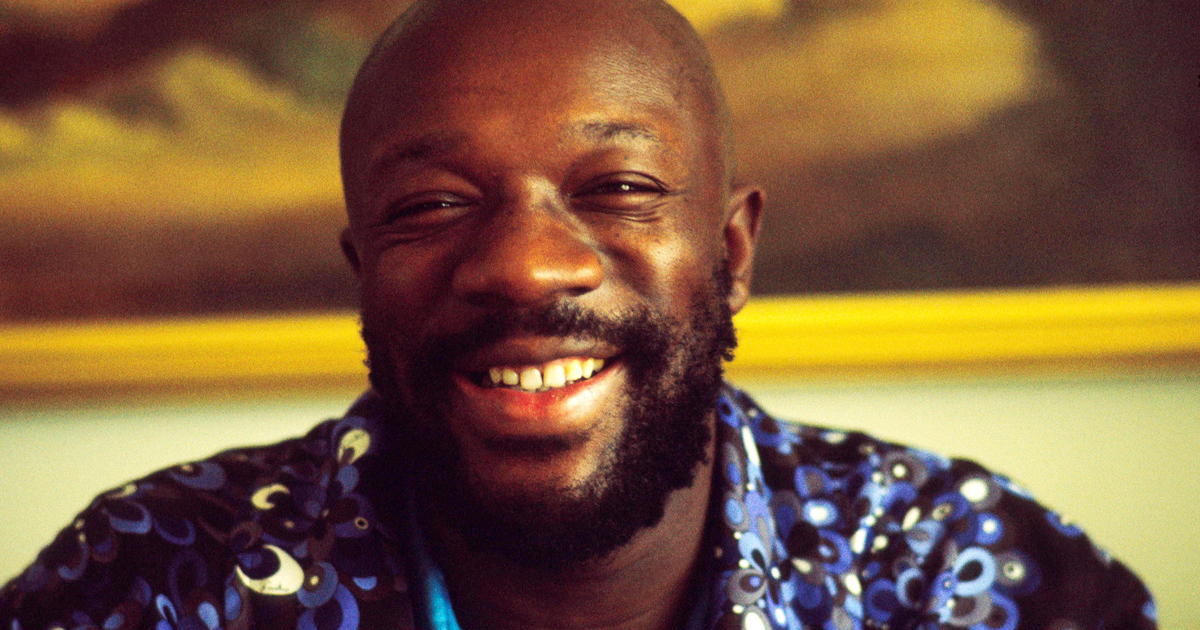
The family of the late soul singer Isaac Hayes has recently taken legal action against Trump’s campaign for unauthorized use of his song “Hold On, I’m Coming” at rallies. The family has demanded that Trump stop using the song and pay $3 million in licensing fees for instances dating back to 2022.
Released in 1966 by R&B duo Sam & Dave, “Hold On, I’m Coming” was a hit song co-written by Hayes and David Porter. Despite Hayes’ passing in 2008, his family is determined to protect his legacy and uphold the rights to his music.
The family’s attorney conveyed that the requested $3 million payment is only the tip of the iceberg. If the Trump campaign fails to comply, the family is prepared to seek ten times as much in damages through legal channels, amounting to $150,000 per unauthorized use of the song.
In addition to the financial demands, Hayes’ family has requested that Trump’s campaign issue a public statement acknowledging that they did not have authorization to use the song. This move aims to deter future unauthorized uses of copyrighted material without proper consent.
Trump’s campaign has yet to respond to these allegations, leaving many to speculate on the potential legal ramifications. The controversy surrounding the unauthorized use of artist’s songs at political events is not new, as demonstrated by singer Celine Dion’s representatives denouncing the use of her song “My Heart Will Go On” without permission at a recent Trump rally.
As the election season heats up, issues like intellectual property rights and artistic integrity come to the forefront. The battle between the Hayes family and Trump’s campaign serves as a reminder of the importance of respecting artists’ rights and intellectual property in the realm of political campaigns.
While the outcome of this legal dispute remains uncertain, it underscores the power of music in shaping political narratives and the need for proper authorization when using copyrighted material for public events.
Stay tuned for updates on this developing story as the presidential race continues to unfold and controversies like these shape the political landscape.