Kamala Harris’ campaign leader says she supports Biden’s border policy.
As the United States gears up for the upcoming presidential election, Vice President Kamala Harris’ stance on immigration and asylum policies has come under the spotlight. Harris’ campaign chief, Julie Chávez Rodríguez, has indicated that if elected in November, Harris will continue President Biden’s asylum crackdown, which has led to a significant decrease in migrant crossings along the southern border.
In an exclusive interview with CBS News, Chávez Rodríguez confirmed that the policies implemented by the Biden administration, including the partial ban on asylum claims enacted in June, have been effective in maintaining security and order at the border. This revelation suggests a continuity in U.S. border policy under a potential Harris presidency, despite calls from progressive activists for a more compassionate approach to asylum seekers.
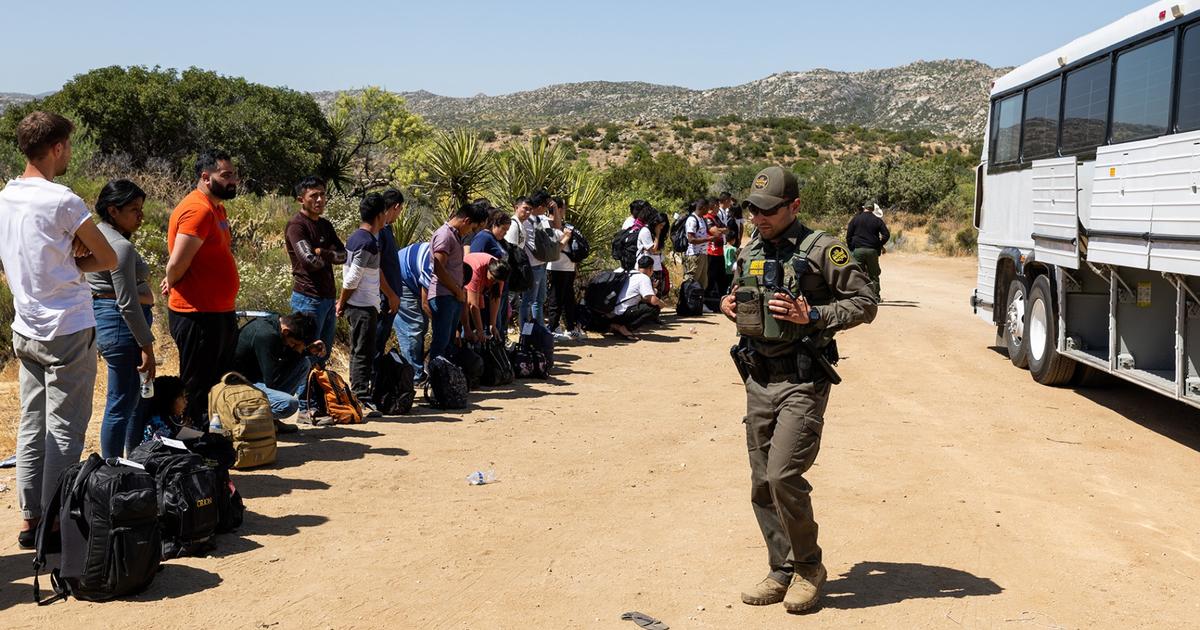
The partial asylum ban, implemented through a presidential proclamation in June, suspended the entry of most migrants crossing the southern border, disqualifying those who enter the U.S. illegally from seeking asylum. While facing legal challenges from migrant advocates, this policy shift marked a departure from the Biden administration’s initial promises to overhaul the asylum system and address the influx of migrants at the border.
Officials attribute the decrease in illegal crossings at the southern border to the partial asylum ban. Data from internal government sources obtained by CBS News shows a significant drop in migrant apprehensions in recent months, with June and July recording the lowest levels in years. Chávez Rodríguez acknowledged this positive trend, highlighting the administration’s success in curbing irregular migration.
Despite facing criticism from Republicans and other opponents, Vice President Harris has been actively involved in efforts to address the root causes of migration in Central America. Her role in leading diplomatic initiatives to combat poverty, violence, and corruption in the region underscores the administration’s commitment to a multifaceted approach to immigration challenges.
However, Harris’ handling of immigration issues has not gone unchallenged, with Republicans labeling her as the “border czar” and questioning her level of engagement on border security. Chávez Rodríguez defended Harris’s dedication to finding practical solutions to border issues, emphasizing the need for bipartisan cooperation in enacting comprehensive immigration reform.
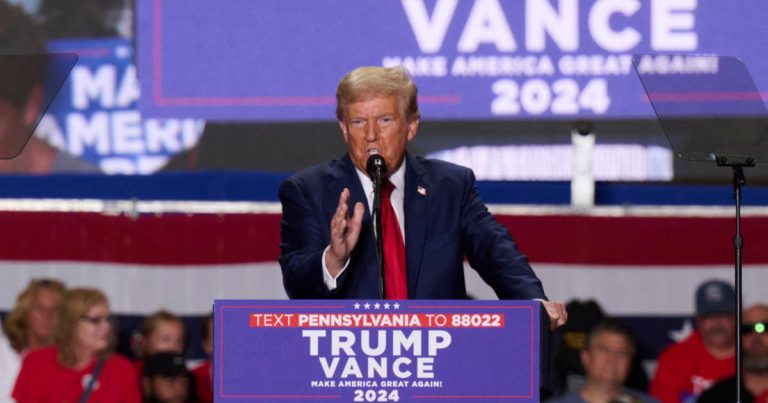
As the campaign intensifies, immigration has emerged as a crucial issue for both parties, with President Trump positioning himself as a hardliner on border control and deportation. Trump’s promises to implement aggressive immigration enforcement measures, including ideological screenings for legal immigrants and the militarization of the border, present a sharp contrast to the Biden-Harris administration’s more nuanced approach.
Looking ahead, the outcome of the presidential election will undoubtedly shape the future of U.S. immigration policy. Whether Vice President Harris will continue to uphold the current asylum restrictions or pivot towards a more lenient stance remains a subject of debate and speculation as the November election draws near.