

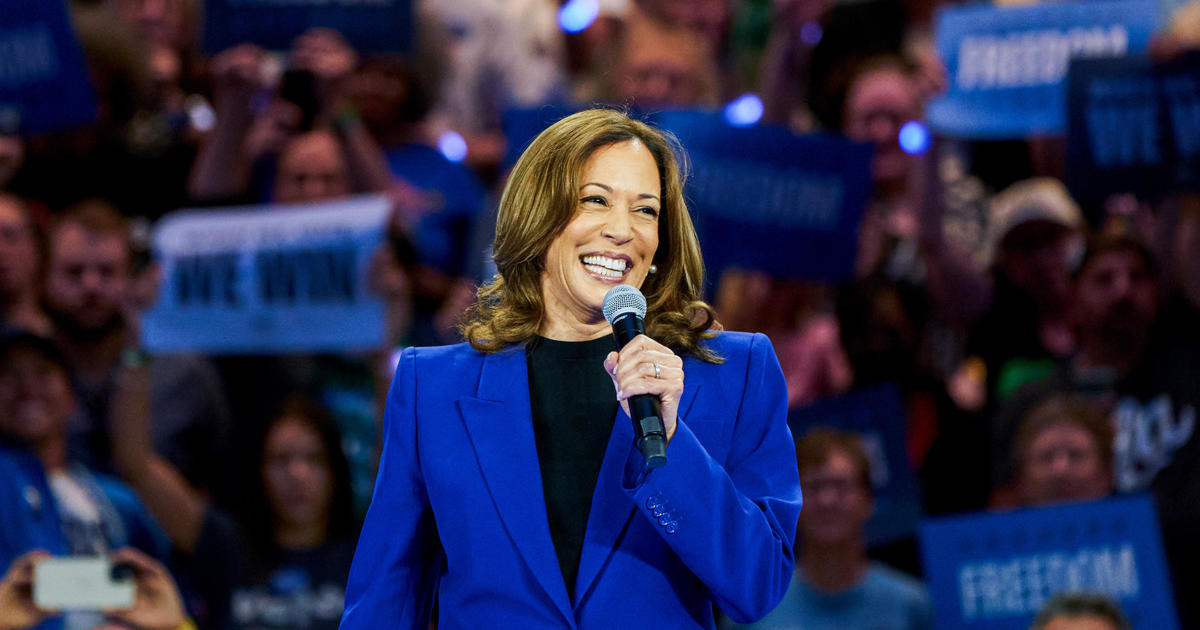
Kamala Harris speaks at DNC and officially becomes Democratic presidential nominee
Washington — Vice President Kamala Harris made history by officially accepting the Democratic presidential nomination on Thursday. During her acceptance speech, she framed the upcoming election as an opportunity for the nation to “chart a new way forward” and urged voters to contribute to the “next great chapter in the most extraordinary story ever told.”
Harris, the first Black woman to lead a major party’s presidential ticket, delivered her remarks to close out the final day of the Democratic National Convention in Chicago. She emphasized her dedication to the American people and the importance of unity across party lines.
Expressing gratitude to President Biden for his inspiring leadership, Harris also highlighted her own journey from being raised by a single mother in California to becoming a prosecutor. She emphasized the need to move beyond division and embrace a future that prioritizes unity.
Despite sharing a message of unity, Harris did not shy away from criticizing her opponent, former President Donald Trump, whom she described as an “unserious” individual found guilty of felony crimes by a jury of his peers.
In her speech, Harris painted the upcoming election as one of the most important in the nation’s history, calling on Americans to uphold values such as freedom, opportunity, and compassion. She underscored the significance of the moment and the responsibility of being heirs to the nation’s greatest democracy.
Harris’ acceptance speech marked a pivotal moment not only in the four-day convention but also in the whirlwind first four weeks of her presidential campaign. Following President Biden’s announcement to end his reelection bid, Harris quickly launched her own campaign, garnering significant support and endorsements from key figures within the Democratic Party.
Her campaign saw impressive fundraising figures, exceeding $200 million within the first seven days and reaching nearly $500 million within the first four weeks. Harris also announced Minnesota Gov. Tim Walz as her running mate, embarking on a campaign trail that included events in battleground states.
During her speech, Harris reintroduced herself to the American people, sharing insights into her middle-class upbringing and the lessons learned from her mother. She pledged to be a president who unites Americans around shared aspirations and values, emphasizing her commitment to putting country above party.
Addressing key issues such as crime, immigration, economics, and healthcare, Harris outlined her agenda, promising to champion tax cuts for the middle class, reform immigration, and protect abortion rights. She also reiterated her support for Ukraine against Russian aggression and called for a cease-fire in the Israel-Hamas conflict, emphasizing her commitment to upholding Israel’s security.
While highlighting her policy proposals, Harris directed sharp criticism at Trump, portraying him as an “unserious man” whose return to the White House would have serious consequences for the nation. She underscored the importance of the upcoming election in shaping the nation’s future and urged voters to reject divisiveness and prioritize unity.
Throughout the convention, Democrats focused on themes of unity and joy, showcasing Harris’ personal life through speeches by her husband, Doug Emhoff, and appearances by her family members. Emhoff described Harris as a “joyful warrior,” emphasizing her dedication to serving the American people.
As the first Black woman to lead a major party’s presidential ticket, Harris’s nomination marks a significant milestone in American political history. If elected in November, she would shatter more barriers by becoming the first woman to hold the office of president.
In closing, Harris’s acceptance speech laid out a compelling vision for the nation’s future, rooted in unity, progress, and shared values. As the Democratic presidential nominee, Harris aims to lead with integrity, empathy, and a steadfast commitment to upholding the principles of democracy, freedom, and opportunity.


