Kamala Harris wants an interview scheduled within 24 days following lack of press access taunts from Trump
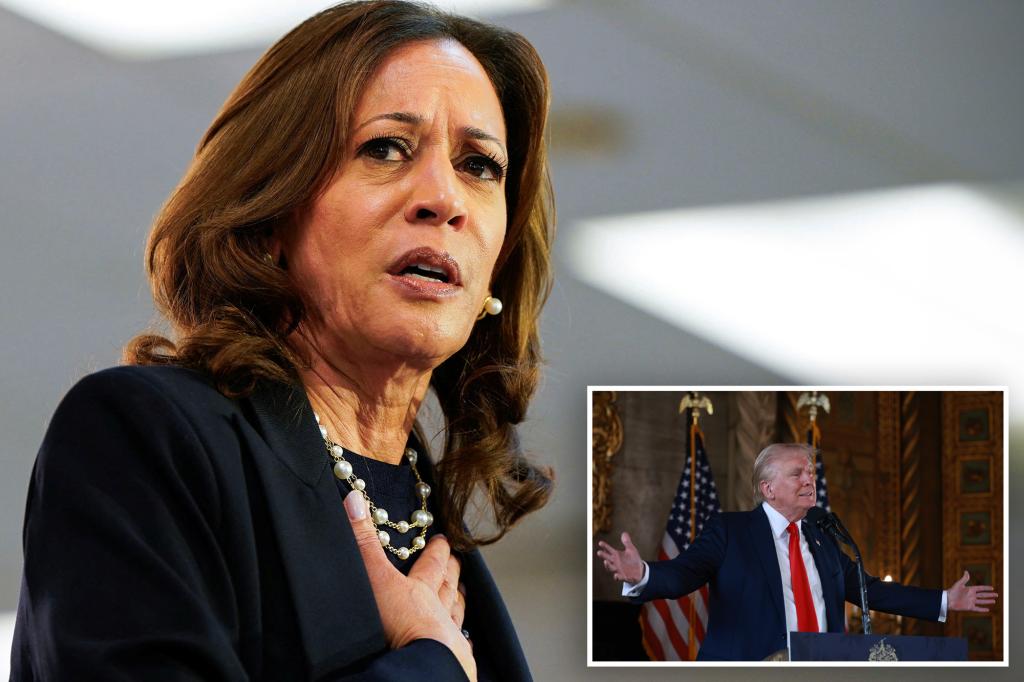
Kamala Harris, the Vice President of the United States, recently made headlines when she expressed her desire to “get an interview scheduled” within 24 days. This statement came after former President Donald Trump criticized her lack of press access.
Amidst growing concerns about transparency and communication from the current administration, Harris’ announcement has sparked a renewed debate about the role of the media in holding political leaders accountable.
Trump’s taunts about Harris’ perceived avoidance of the press have further fueled speculation about the Vice President’s intentions and the effectiveness of her communication strategies. As both supporters and critics weigh in on the issue, it remains to be seen how Harris will navigate the challenges of balancing accessibility with her responsibilities as a public figure.
While some believe that Harris’ pledge to secure an interview reflects a commitment to openness and engagement with the press, others question the timing and motives behind her announcement. With the political landscape becoming increasingly polarized, every decision made by high-profile figures like Harris is subject to intense scrutiny and interpretation.
At the heart of this controversy is the ongoing debate about the importance of media access in a democracy. The press plays a crucial role in informing the public, holding leaders accountable, and serving as a check on power. When politicians restrict press access or control the narrative, it raises concerns about transparency and the health of democratic institutions.
Harris’ declaration to “get an interview scheduled” can be seen as a response to these concerns, signaling a willingness to engage with the media and address questions from journalists. However, the timing of her statement, coming on the heels of Trump’s criticisms, has also led to speculation about the motivations behind her decision.
As the Vice President continues to face scrutiny over her communication strategy, it is clear that the issue of press access will remain a contentious topic in the political arena. Harris’ efforts to schedule an interview represent a step towards greater transparency, but they also highlight the challenges that public figures face in navigating the demands of the media and public opinion.
In a time of heightened political polarization and distrust of institutions, the role of the media in holding leaders accountable has never been more critical. As Harris seeks to address concerns about her accessibility and communication, she must also grapple with the broader implications of her actions for the state of democracy in the United States.
Ultimately, the outcome of this debate will have far-reaching implications for how political leaders engage with the press, communicate with the public, and uphold the principles of transparency and accountability. As Harris works to “get an interview scheduled” and address the criticisms leveled against her, the eyes of the nation will be watching to see how she navigates this complex and challenging terrain.