Lawmaker warns of threat from Chinese military AI robot-dogs with rifles
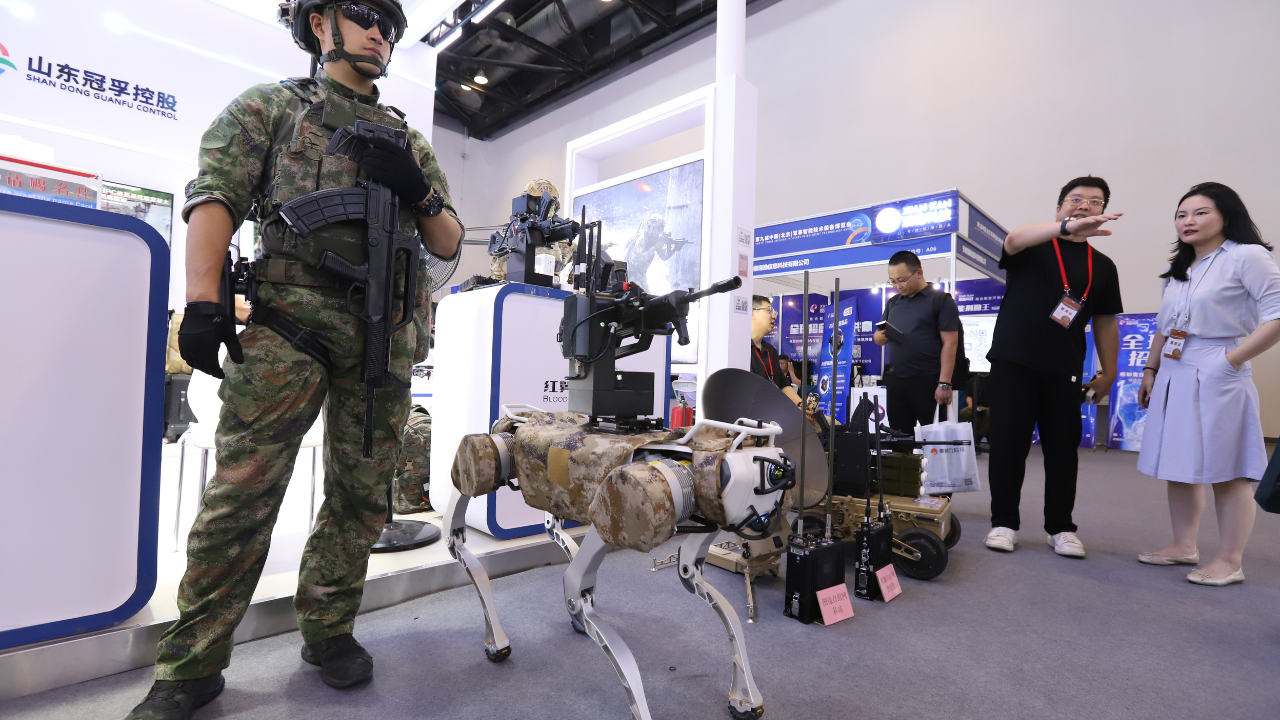
China is once again making headlines with its latest technological advancement that has sparked concerns and debates worldwide. This time, the focus is on rifle-toting AI robot dogs showcased by the Chinese military during joint drills in Cambodia.
The AI-powered dogs, weighing 110 pounds each, are equipped with the ability to carry and fire automatic rifles autonomously. This development has raised eyebrows and caught the attention of lawmakers, defense experts, and the general public alike.
While drone technology is nothing new, the emergence of armed robotic dogs introduces a new dimension to the modern battlefield. The implications of these advancements extend beyond mere technological progress and delve into the realms of national security and global dominance.
One Republican lawmaker, in particular, has taken a proactive stance on this issue. Through the National Defense Authorization Act (NDAA), he introduced amendments aimed at addressing the potential threats posed by China’s advancement in AI and military technology.
According to the lawmaker, ignoring the progress made by other countries in the field of AI could jeopardize the United States’ position as a leading global force. The need for vigilance and strategic planning to counter potential adversaries is now more pressing than ever.
Responding to these developments, the Pentagon is being called upon to assess and report on the national security implications of China’s AI-driven military assets, including the robot dogs. The dialogue surrounding this issue emphasizes the need for constant monitoring and adaptation to stay ahead in an ever-evolving technological landscape.
Despite concerns raised by experts and policymakers, the exact response from the U.S. government and military remains to be seen. Questions loom regarding the effectiveness of current defense measures and the strategies in place to counter emerging threats from rival nations.
As the debate rages on, lawmakers on both sides of the aisle are uniting in acknowledging the significance of AI-related threats and the importance of innovation in maintaining military superiority. The push for continued investment in emerging technologies reflects a bipartisan commitment to safeguarding national security interests.
With the Senate set to deliberate on the NDAA, the spotlight remains on the intersection of technology, defense, and international relations. The decisions made in the coming weeks will not only shape the future of military strategy but also define the geopolitical landscape for years to come.