Left-wing hostility dominates social media after attempted attack on Trump
Leftist hate has dominated social media following the recent assassination attempt on former President Donald Trump. The vitriol and hostility displayed online have escalated to alarming levels, sparking concerns about the impact of such behavior on society as a whole.
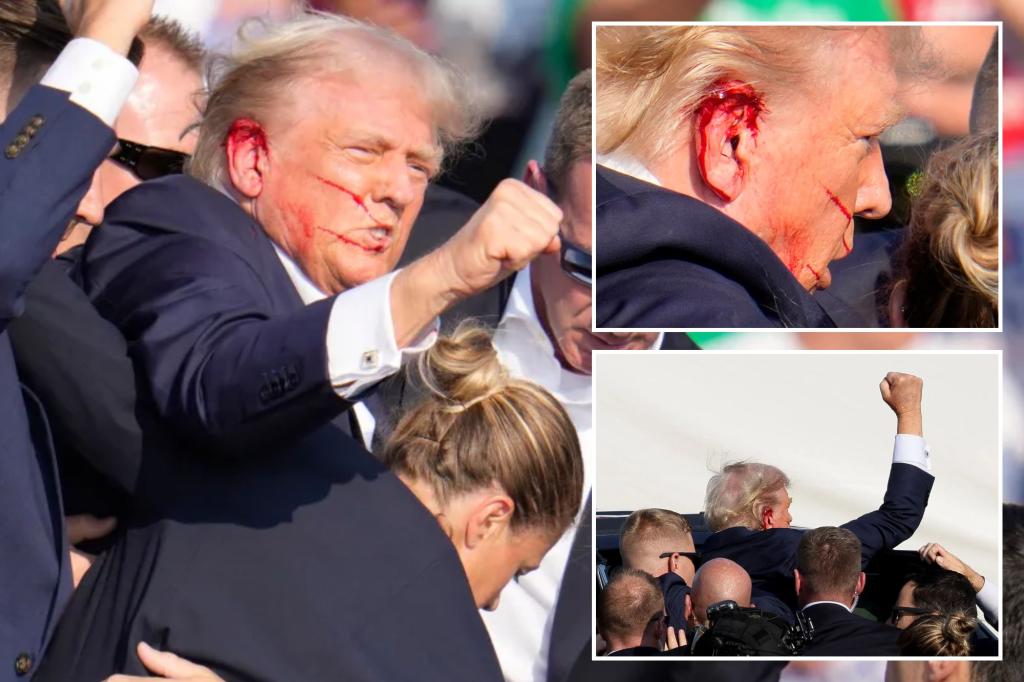
Trump was targeted by an assailant who attempted to end his life during a public appearance in Florida. While the former president narrowly escaped the attack, the incident has reignited political tensions and deepened the divide within the country.
Social media platforms, such as Twitter and Facebook, have become battlegrounds for supporters and detractors of Trump. The hashtags #AssassinateTrump and #HopeHeDies have trended on these platforms, with users expressing their disdain and even celebrating the attempt on Trump’s life.
This wave of leftist hate has raised concerns about the impact of such rhetoric on the political climate and society at large. Many have called for stricter regulations and monitoring of online content to prevent the spread of violent and hateful messages.
Experts warn that the normalization of such behavior online can have real-world consequences, leading to further division, violence, and even acts of terrorism. The lack of accountability and consequences for those spreading hate speech online only fuels the fire, creating a toxic environment that is detrimental to all.
The role of social media companies in addressing this issue has come under scrutiny, with many calling for them to take a stronger stance against hate speech and incitement to violence. While platforms like Twitter and Facebook have policies in place to combat such behavior, enforcement has been inconsistent and ineffective.
Users have called for a more proactive approach that involves monitoring and removing harmful content before it spreads widely. They argue that allowing such messages to proliferate only emboldens extremists and puts individuals at risk.
The impact of online hate speech is not limited to the realm of politics. It can also have serious consequences for individuals, particularly those who are targeted for their beliefs, ethnicity, or other characteristics. The rise in online harassment and threats poses a significant threat to public safety and individual well-being.
Efforts to combat online hate speech must involve a multi-pronged approach that includes education, awareness, and enforcement. Individuals must be educated about the dangers of hate speech and the impact it can have on society. Platforms must also be held accountable for enforcing their policies and taking action against violators.
Ultimately, the responsibility falls on all of us to create a more tolerant and inclusive online environment. By speaking out against hate speech, reporting harmful content, and promoting positive discourse, we can work together to build a safer and more respectful cyberspace for all.
As the aftermath of the Trump assassination attempt continues to unfold, it is essential that we remain vigilant and proactive in combating online hate. The future of our society depends on it.