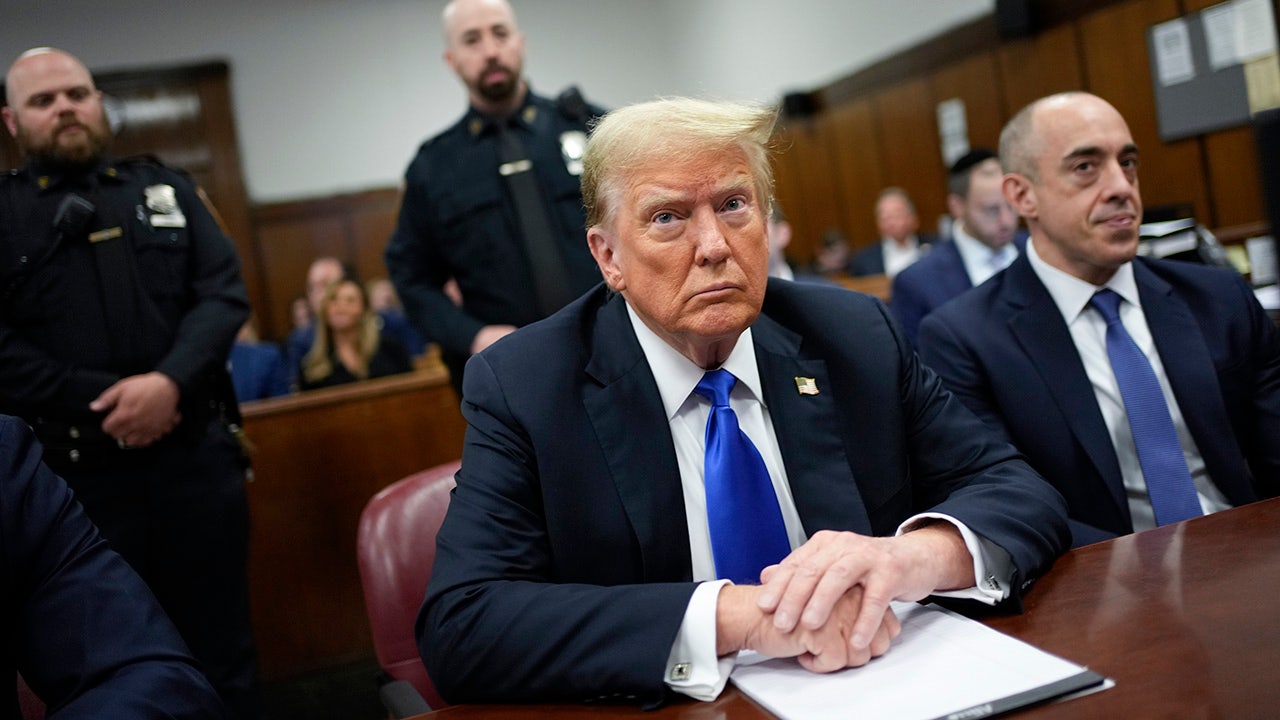
Legal experts warn that Trump verdict has started a “war of weaponizing the criminal justice system”
The news of former President Trump’s criminal conviction has sent shockwaves through the American legal system, marking a dark chapter in the country’s history. A New York jury recently found Trump guilty of 34 felony counts of falsifying business records, allegedly as part of an illegal scheme to influence the 2016 election. This historic conviction makes Trump the first former president to be convicted of a crime, paving the way for a potential prison sentence scheduled for July 11.
Legal experts, including Harvard Law professor Alan Dershowitz, have criticized the case against Trump as an “absolute joke,” warning of the dangerous precedent it may set. Dershowitz raised concerns about the potential weaponization of the criminal justice system, suggesting that failure to uphold justice in Trump’s case could lead to partisan prosecution tactics in the future.
On the other hand, critics argue that Trump’s conviction, no matter how controversial, was a result of due process in a court of law where he was presumed innocent until proven guilty. Rachel Kleinfeld, a senior fellow at the Carnegie Endowment for International Peace, emphasized the importance of respecting judicial decisions to maintain societal peace and order.
Trump and his supporters have denounced the prosecution as politically motivated, citing biases from Democrats like Manhattan District Attorney Alvin Bragg and Judge Juan Merchan. They claim that the trial lacked fairness due to the officials’ pre-existing anti-Trump sentiments and the demographics of the jury pool.
While Bragg maintains that his office followed the facts and the law without bias, critics like criminal defense attorney Louis Gelormino criticize the targeting of Trump by officials who campaigned on promises to prosecute him. Gelormino argues that such selective prosecution undermines the integrity of the legal system and jeopardizes the democratic principles of fair treatment and equality.
The accusations of a politically driven prosecution extend beyond New York, with other Democratic officials like Letitia James and Fani Willis facing scrutiny for their aggressive pursuit of legal action against Trump. Critics fear that these actions set a dangerous precedent by using the law to target political opponents and suppress their ability to run for office.
As the legal battle against Trump unfolds, concerns grow about the implications for future political cases and the potential erosion of trust in the legal system. Legal experts warn that the weaponization of law enforcement for political gain could undermine democratic values and lead the country down a troubling path of politicizing justice.
In conclusion, the controversial conviction of former President Trump serves as a stark reminder of the complex intersection between law and politics in the American justice system. Regardless of one’s views on Trump, the case raises pressing questions about the proper balance between legal accountability and political motives in pursuing criminal charges against public figures.