Man who tried to kill Reagan talks about Trump shooting
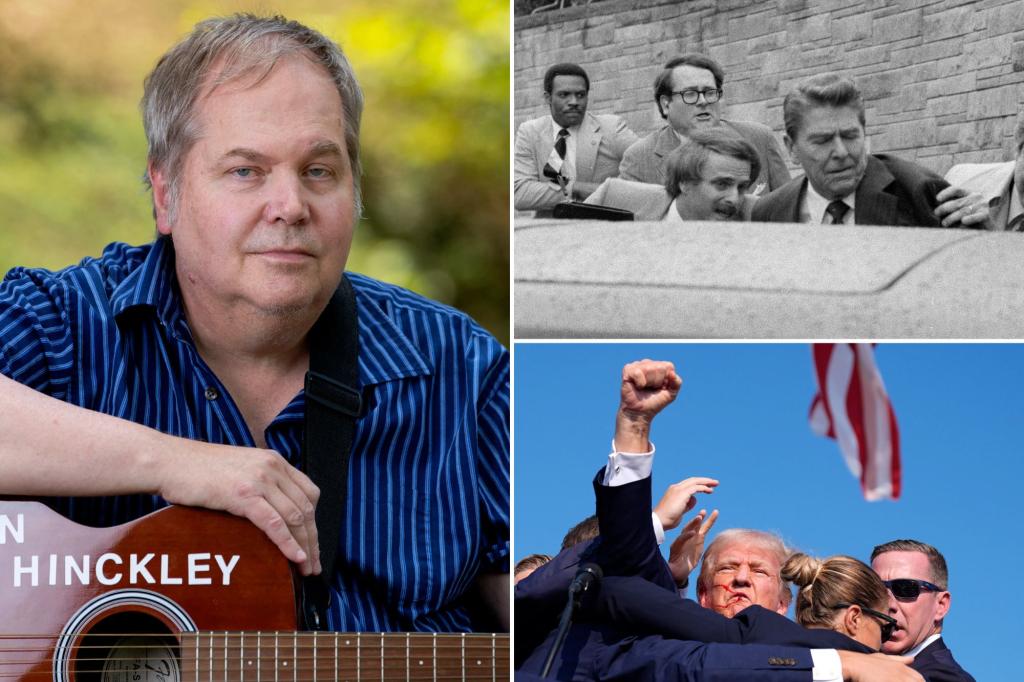
In a shocking turn of events, John Hinckley Jr., the man who attempted to assassinate former President Ronald Reagan, has come forward to speak out after the recent shooting incident involving former President Donald Trump. This revelation has sparked widespread debate and speculation, reopening old wounds and raising questions about the safety and security of public figures.
John Hinckley Jr.’s name became infamous in 1981 when he attempted to assassinate President Reagan outside a Washington hotel. The motive behind his actions was later revealed to be an obsession with actress Jodie Foster. After a lengthy trial, he was found not guilty by reason of insanity and has been living under strict conditions ever since.
Now, decades later, Hinckley has broken his silence to address the recent shooting incident involving former President Trump. In a statement released through his lawyer, he expressed his deep remorse for his past actions and urged for stricter gun control measures to prevent similar tragedies from occurring in the future.
The news of Hinckley’s public statement has reignited the debate surrounding the treatment of individuals with mental health issues and their access to firearms. Many are questioning whether Hinckley’s case was handled appropriately at the time and what lessons can be learned moving forward to prevent such incidents from happening again.
Experts have weighed in on the matter, with some highlighting the need for better mental health care and monitoring for individuals with a history of violent behavior. Others have called for more stringent background checks and restrictions on gun ownership to prevent individuals like Hinckley from carrying out violent acts.
Despite the controversy surrounding his actions, some have come to view Hinckley as a symbol of redemption and rehabilitation. His journey to recovery and his efforts to rebuild his life after the assassination attempt have been seen as a testament to the human capacity for change and growth.
However, others remain skeptical of Hinckley’s intentions and worry about the potential ramifications of his public statement. The mere mention of his name brings back painful memories of the assassination attempt and raises concerns about the safety of public figures in today’s volatile political climate.
As the news of Hinckley’s statement continues to make headlines, the debate over gun control, mental health care, and the responsibilities of individuals with a history of violence rages on. The incident involving former President Trump has once again highlighted the need for a comprehensive approach to addressing these complex issues and ensuring the safety of all members of society.
Only time will tell what impact Hinckley’s words will have on the ongoing discussions surrounding public safety and the prevention of violent acts. In the meantime, the world watches and waits to see how this latest development will shape the future of the conversation surrounding gun control and mental health in the United States.