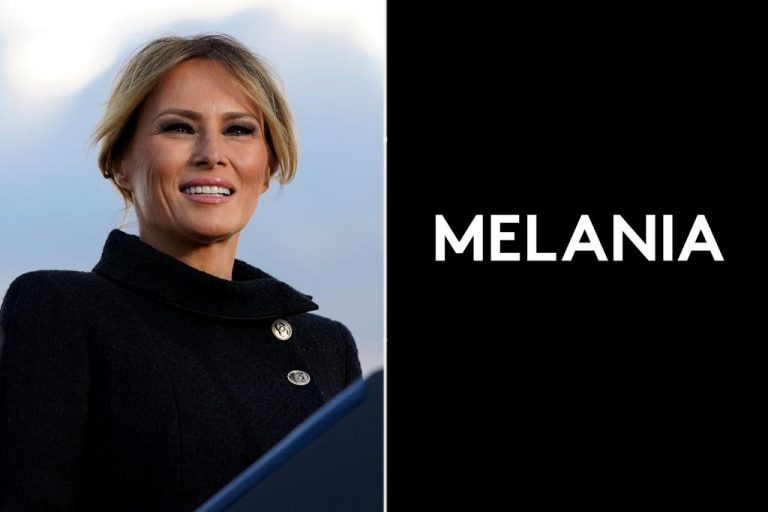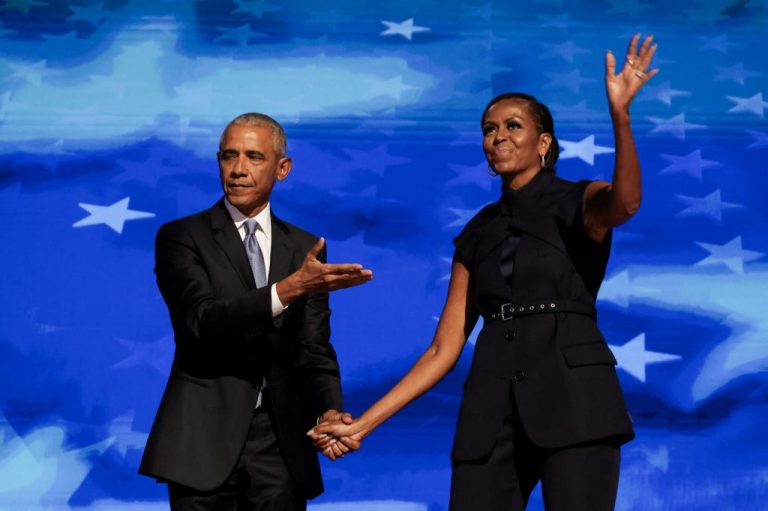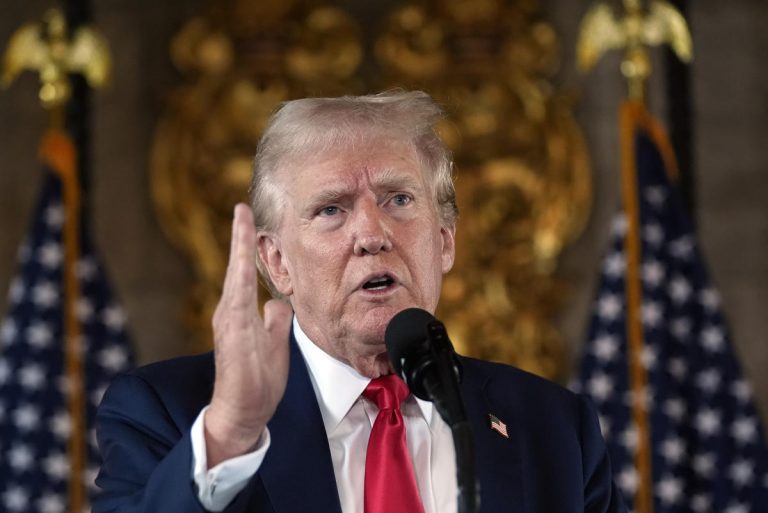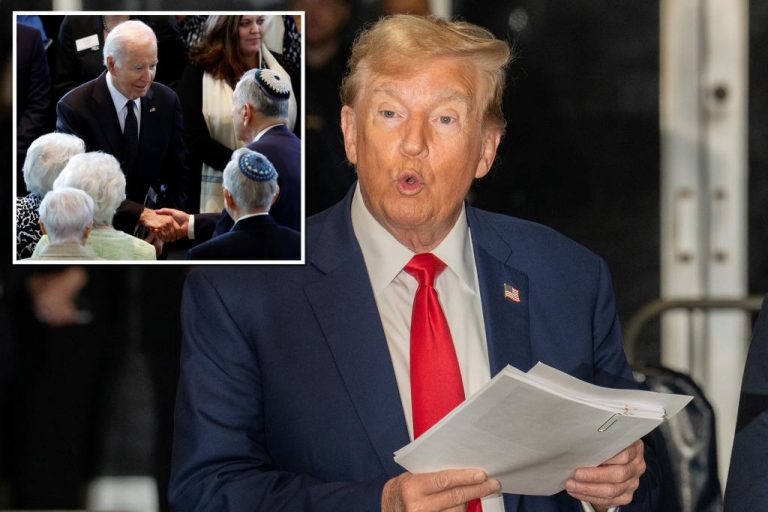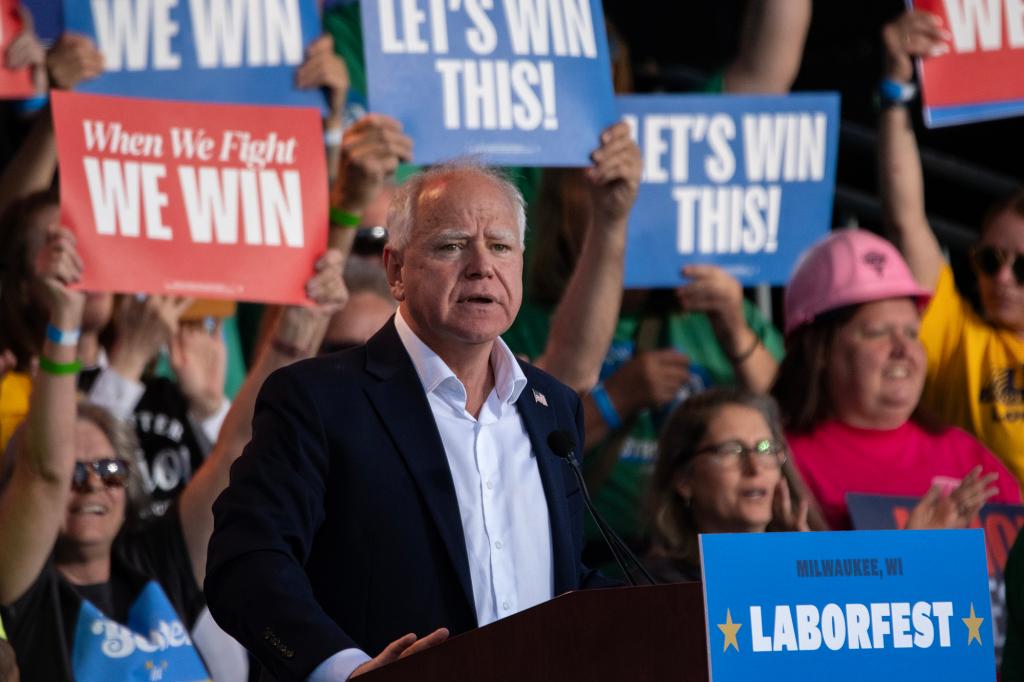
Media chooses to focus on Trump over Walz’s family.
Welcome to the Boston Post News, where we bring you the latest updates on politics, society, and everything in between. Today, we delve into the world of media bias and its impact on public perception.
In recent times, the media landscape has been rife with examples of selective coverage that skews the narrative in favor of certain individuals or groups. One such glaring instance is the contrasting treatment of Governor Walz’s family and President Trump by the media. While Walz’s family has faced intense scrutiny and criticism, Trump has often been portrayed in a more favorable light.
The biased portrayal of Governor Walz’s family can be seen in the way their every move is scrutinized and twisted to fit a negative narrative. Any misstep or perceived wrongdoing is blown out of proportion, while their achievements and positive contributions are downplayed or ignored. This selective coverage not only harms the reputation of Walz’s family but also erodes public trust in the media.
On the other hand, President Trump has enjoyed a more sympathetic portrayal in the media, with his actions and statements often being framed in a positive light. Even when faced with criticism or controversies, Trump’s supporters in the media are quick to defend him and spin the narrative in his favor. This biased coverage not only shields Trump from accountability but also perpetuates a distorted view of reality.
The impact of selective media coverage goes beyond influencing public opinion – it also has real-world consequences. When certain individuals or groups are unfairly targeted or protected by the media, it can lead to division, polarization, and even violence within society. In the case of Governor Walz’s family and President Trump, biased coverage has fueled animosity and mistrust among their supporters and detractors.
It is crucial for the media to uphold principles of fairness, accuracy, and objectivity in their reporting. By holding all individuals and groups to the same standards and presenting a balanced view of events, the media can fulfill its role as a watchdog of democracy and a check on power. Selective coverage not only undermines the credibility of the media but also threatens the foundation of our democratic society.
As consumers of news and information, it is important to be discerning and critical of the media we consume. By seeking out diverse sources of information, fact-checking claims, and holding the media accountable for biased reporting, we can ensure that our democracy remains healthy and vibrant. Together, we can challenge selective media narratives and demand a more transparent and inclusive public discourse.
Join us at the Boston Post News as we continue to shine a light on media bias and work towards a more informed and engaged society. Together, we can make a difference and uphold the values of truth, fairness, and integrity in our media landscape. Thank you for joining us on this journey towards a better-informed and more enlightened future.